What is Aramid Fabric and its Benefits for Daily Use?
Aramid Fabric is transforming everyday materials with its unique properties. Renowned expert Dr. Emily Chen, a specialist in advanced textiles, states, "Aramid Fabric blends durability with comfort, making it an ideal choice for daily wear."
This fabric offers remarkable strength and resistance to heat and chemicals. Everyday items made from Aramid Fabric can resist tearing and abrasion while providing a lightweight feel. It’s commonly used in workwear and protective gear, giving users confidence in their safety and durability.
However, not all Aramid products are equal. Consumers must be aware of varying quality levels in the market. It’s crucial to research and choose trusted brands to ensure effective performance. Reflecting on its benefits, one can appreciate how Aramid Fabric enhances daily life yet needs informed choices for optimal use.
What is Aramid Fabric and Its Composition?
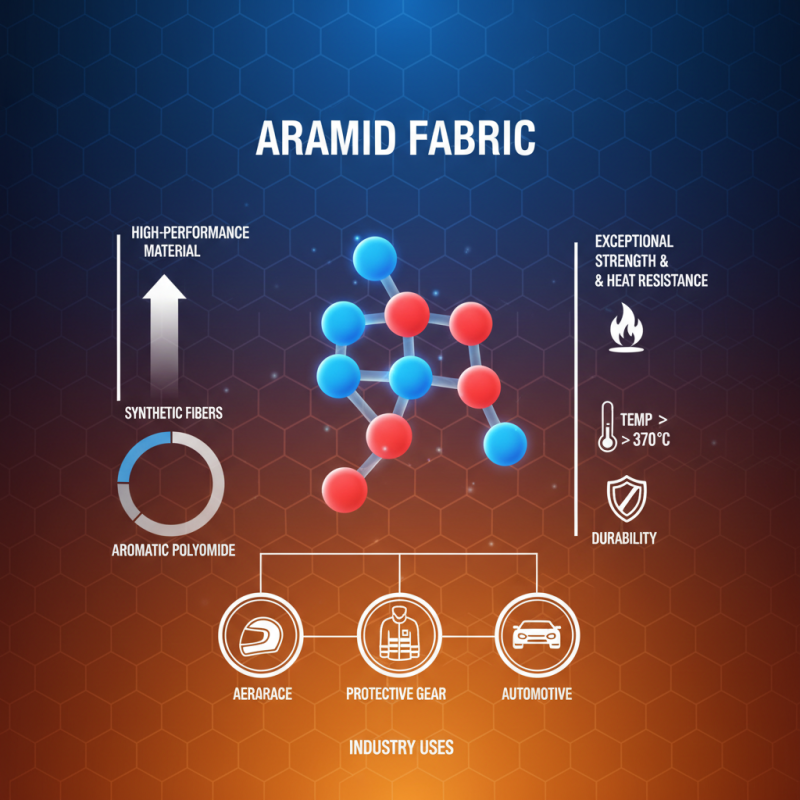
Aramid fabric is a high-performance material known for its unique composition. It mainly consists of synthetic fibers, created through a process involving aromatic polyamide. This structure gives the fabric exceptional strength and heat resistance. Many industries utilize aramid fabric due to its lightweight nature and durability. For instance, the fabric can withstand temperatures of over 370°C, making it suitable for extreme conditions.
In diverse applications, aramid fabric proves its versatility. In automotive sectors, it is often used for protective gear. Firefighters and military personnel also depend on aramid textiles for safety. Reports indicate that aramid fiber demand is projected to grow by 6% annually until 2030. However, producing aramid fibers can raise questions about environmental impact. The energy-intensive process can lead to significant waste, prompting companies to consider more sustainable practices.
Despite its advantages, aramid fabric is not without limitations. It can be expensive compared to other fibers. Additionally, the comfort level varies, and some users find it can irritate the skin. Understanding these nuances is essential for effective usage. When selecting aramid fabric for daily use, one must weigh performance against potential drawbacks carefully.
Key Properties of Aramid Fabric: Strength and Durability
Aramid fabric is renowned for its key properties, particularly strength and durability. This synthetic fiber is often used in protective clothing and high-performance textiles. According to industry reports, aramid fibers can withstand temperatures up to 500°F, making them suitable for various applications. This high heat resistance is crucial in settings like industrial workplaces or transportation industries.
Moreover, aramid fabric boasts impressive tensile strength. It is five times stronger than steel by weight. This quality makes it ideal for use in safety gear, ropes, and cables. Studies indicate that aramid fibers can absorb significant energy before breaking, enhancing the safety of users. The impact resistance of aramid fabric is notable, but some may worry about its wear over time. It’s essential to evaluate the fabric’s condition regularly to maintain its protective properties.
In daily use, aramid fabric offers both security and comfort. However, the initial cost can be relatively high compared to other materials. This could deter some users. Yet, the long-term benefits often outweigh the initial investment. As with any specialty fabric, understanding its limits and proper care is vital for maximizing performance. Users must recognize that no material is infallible, and diligence in maintenance is required.
Applications of Aramid Fabric in Everyday Products
Aramid fabric is a high-performance material known for its durability and resistance to heat. Its unique properties make it suitable for various everyday products. This fabric is commonly found in apparel, safety gear, and even in kitchen accessories. The global aramid fiber market is projected to reach $5.14 billion by 2025, emphasizing its growing significance in our daily lives.
In clothing, aramid fabric is used in protective gear such as fire-resistant suits and gloves. These items are essential for professionals in hazardous environments. According to a recent industry report, aramid fibers can withstand temperatures up to 500°F, providing safety where it’s most needed. Additionally, aramid is featured in sportswear, enhancing comfort and longevity.
For tips on using aramid products, consider how these fabrics can enhance your daily routine. When selecting clothing, look for aramid blends for improved breathability. In your kitchen, opt for aramid oven mitts for better heat resistance. Remember, while aramid is strong, it may require special care to maintain its properties. Regular washing in cold water can help prolong the life of aramid garments. Understanding these details can help you make better selections in your everyday products.
Benefits of Aramid Fabric in Everyday Products
Aramid fabric offers several significant benefits, making it ideal for daily use. This chart illustrates the effectiveness of aramid fabric in terms of durability, lightweight nature, heat and chemical resistance, and flexibility, attributes that enhance its application in various everyday products.
Benefits of Using Aramid Fabric for Daily Use
Aramid fabric is known for its exceptional strength and durability. It is often used in protective clothing, but its benefits extend to everyday use. This unique material is resistant to abrasion and has a high tensile strength. It can withstand harsh conditions while providing comfort in daily activities.
For daily use, aramid fabric offers remarkable heat resistance. It can protect against temperature fluctuations that might occur during outdoor activities. This means wearing garments made from aramid fabric is safer for those who work or play in extreme environments. Additionally, the lightweight nature of the fabric makes it comfortable for prolonged wear.
One might wonder about its maintenance. Though durable, aramid fabric can be delicate in certain conditions. It’s essential to follow specific care instructions to preserve its qualities. This creates an ongoing challenge for users who want the best performance. However, with proper care, the benefits certainly outweigh the drawbacks.
Comparing Aramid Fabric with Other Materials in Fashion and Safety
In the realm of textiles, aramid fabric stands out for its unique properties. Its strength is notable, making it resistant to heat and abrasion. This quality makes it popular in safety gear. Workers in high-risk environments benefit greatly. Yet, fashion has begun to embrace this fabric. Designers are exploring its potential not only for practicality but also for style.
When comparing aramid fabric with traditional materials, the differences are apparent. Cotton may be comfortable, but it lacks durability. Wool can provide warmth but is not as resilient. Aramid excels in both safety and performance. However, its texture is not always soft. Some may find it less appealing against their skin. This can be a hurdle for everyday wear.
Sustainability is another area to consider. While aramid is strong, its environmental impact is still debated. Some may argue that natural fibers are more eco-friendly. Yet, aramid’s longevity can lead to reduced waste over time. The trade-offs can be complex. Consumers must weigh their options carefully.