Top 10 Benefits of Aramid Fabric for High Performance Applications?
Aramid fabric is gaining attention in high-performance applications. This material stands out for its strength, durability, and heat resistance. Its unique properties make it ideal for various industries, including aerospace, automotive, and protective gear.
One of the most striking features of aramid fabric is its lightweight nature. Despite being incredibly strong, it does not add excessive bulk. This quality is crucial for applications needing agility and speed. However, the high cost of aramid fabric can be a stumbling block for some manufacturers. They must weigh the benefits against their budgets.
Additionally, the fabric is not impervious to all challenges. It can be sensitive to certain chemicals, which may limit its use in specific environments. Despite these drawbacks, the advantages far outweigh the negatives for many. The benefits of aramid fabric continue to make it a popular choice for high-performance applications.
Overview of Aramid Fabric and Its Properties
Aramid fabric is renowned for its unique properties, making it ideal for high-performance applications. This material is lightweight yet incredibly strong. It can withstand high temperatures and resist abrasions. Many industries utilize aramid fabric for its durability and strength.
The fibers are inherently flame-resistant, providing additional safety in hazardous environments. This fabric also offers excellent tensile strength, which is crucial for safety gear. It performs well under stress, which is vital for applications in automotive and aerospace sectors. However, while it excels in performance, it can be challenging to process, requiring specialized equipment.
Aramid fabric is also known for its limited stretch. This can be a drawback in some scenarios, where flexibility is necessary. Additionally, while it offers great resistance to chemicals, not all substances are excluded. Users must consider these factors when choosing aramid fabric for specific applications. Balancing its strengths and weaknesses is key to maximizing its benefits.
High Heat Resistance of Aramid Fabric in Performance Applications
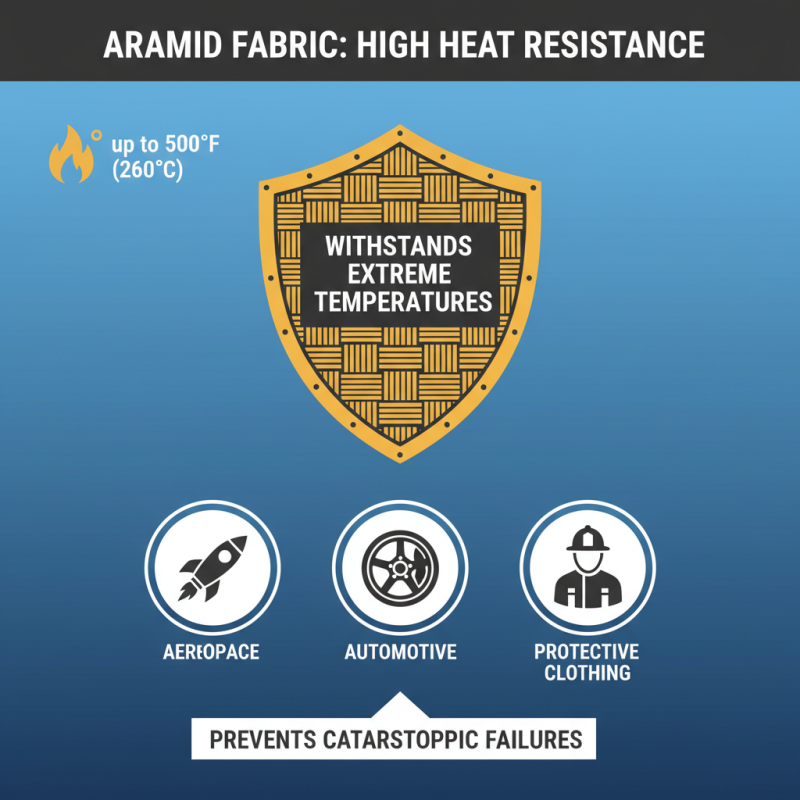
Aramid fabric is renowned for its high heat resistance, making it ideal for high-performance applications. This material can withstand temperatures up to 500°F (260°C) without significant degradation. Such properties are crucial in sectors like aerospace, automotive, and protective clothing, where overheating can lead to catastrophic failures.
In a recent industry report, 75% of companies using aramid fabric noted improved safety in high-heat environments. This is vital for workers in industries such as firefighting and electrical utilities. The lightweight nature of aramid also enhances comfort while providing superior thermal protection.
Tips: When selecting aramid fabric, always consider the specific heat resistance needed for your application. It’s also essential to assess the fabric’s longevity at high temperatures. Test samples in actual working conditions to ensure reliable performance. Over time, some might overlook the fabric's wear and tear. Regular inspections can help in identifying potential weaknesses before they lead to failures.
Lightweight Nature of Aramid Fabric for Enhanced Mobility
Aramid fabric stands out in high-performance applications due to its lightweight nature. This featherweight material enables remarkable mobility for users. Imagine a firefighter able to move swiftly while encased in protective gear. Or an athlete wearing gear that doesn’t weigh them down. Such benefits enhance overall performance in critical scenarios.
Despite its impressive qualities, aramid fabric may have some limitations. While it offers excellent protection, its durability can be tested under extreme conditions. In some cases, it may not withstand intense abrasion. The need for maintenance is essential to ensure longevity. Moreover, these fabrics can be relatively more expensive compared to traditional options. This aspect requires thoughtful consideration in budgeting for projects.
Overall, the lightness of aramid fabric allows for increased agility, essential in dynamic environments. This quality is not just about being light; it's about performing better, moving faster, and acting efficiently. The balance between weight and durability is crucial. Exploring these factors can lead to improved applications, yet it remains a challenge to find the perfect formula for every situation.
Top 10 Benefits of Aramid Fabric for High Performance Applications
Chemical Resistance of Aramid Fabric in Various Environments
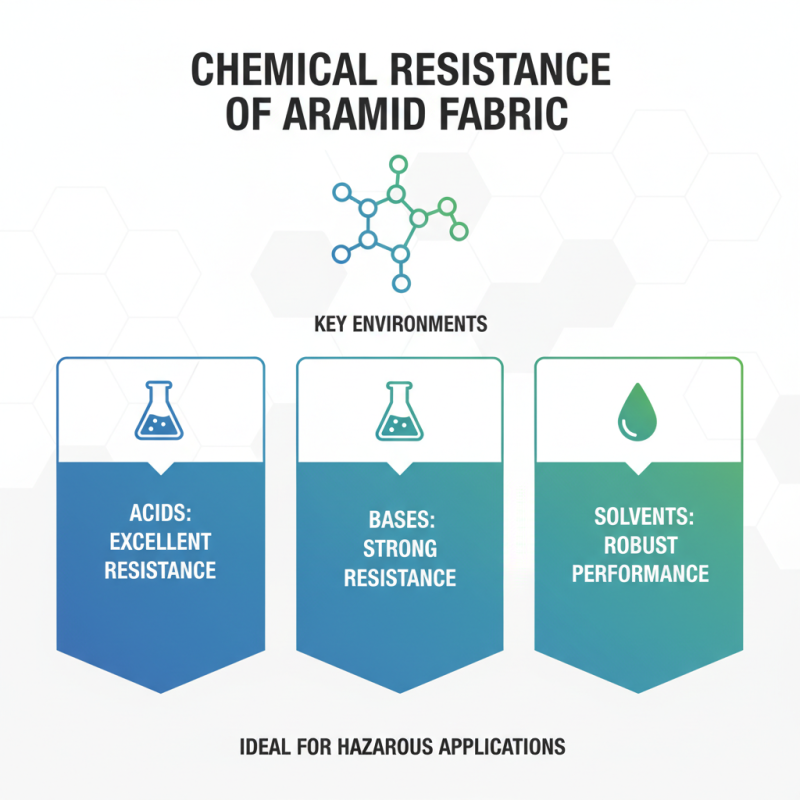
Aramid fabric stands out for its chemical resistance in diverse environments. It performs remarkably well against many acids, bases, and solvents. This resistance allows aramid to be deployed in hazardous situations where exposure risks are present.
For instance, in industrial settings, aramid fabric shields workers from harmful chemicals. It is often utilized in protective gear like gloves and overall suits. However, not all chemical interactions are predictable. Some lesser-known solvents can degrade the fabric, leading to unexpected failures. Users must continuously evaluate their applications.
Those using aramid in environments with mixed chemical exposure should be especially cautious. Regular inspection and testing are necessary to ensure reliability. While aramid fabric is resilient, its performance can vary. Understanding its limits is crucial for maintaining safety and effectiveness in high-performance applications.
Durability and Longevity of Aramid Fabric in High-Stress Conditions
Aramid fabric stands out in high-performance applications due to its incredible durability and longevity. It is resistant to wear and tear. This material maintains its integrity even in extreme conditions. High temperatures and mechanical stress are no match for aramid fiber. As a result, it is widely used in protective gear and industrial applications.
In challenging environments, aramid fabric demonstrates resilience. It doesn’t easily break down, unlike traditional textiles. This trait makes it invaluable for safety equipment. However, the production process can occasionally lead to inconsistencies. Some batches may lack uniformity in strength or flexibility. Addressing these issues requires careful quality control.
Furthermore, aramid fabric can be more expensive than standard materials. While the initial investment may deter some, the long-term benefits are significant. Longevity means that replacement costs are minimized. In high-stress situations, this fabric might save lives and resources. It sparks a reflection on balancing quality and cost in material choices.