What Are the Benefits of Prefab Container Houses?
The popularity of the Prefab Container House is on the rise. These homes offer flexible living solutions. They are attractive for their affordability and speed of construction. According to Jane Doe, a leading expert in the modular housing industry, “Prefab Container Houses change the way we think about home ownership.” This statement captures the essence of their impact.
Prefab Container Houses are built from repurposed shipping containers. They are durable and eco-friendly, making them a sustainable choice. Many people are drawn to their unique design potential. However, not all container homes meet quality standards. Potential buyers must do their research.
Critics point out some challenges, such as insulation and local regulations. Some may find the layout not to their liking. Yet, the innovative designs provide opportunities for creativity. They invite us to rethink how we view space and housing. Prefab Container Houses remind us of the balance between practicality and imagination.
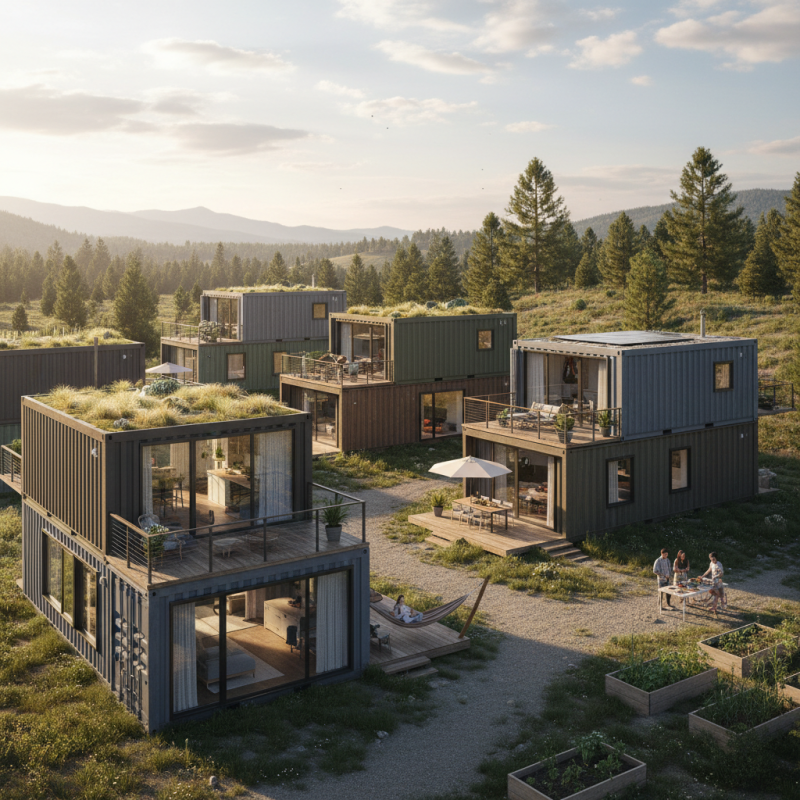
Understanding Prefab Container Houses: An Overview
Prefab container houses have gained popularity due to their affordability and eco-friendliness. These homes are made from repurposed shipping containers, giving them a unique character. The global market for modular construction is expected to grow by 6.5% annually, highlighting the rising trend in sustainable housing solutions.
One significant advantage of prefab container houses is their quick assembly. Unlike traditional homes, they can be set up in a matter of weeks. This speed is essential in regions experiencing housing shortages. Yet, the design might not always accommodate every homeowner's vision. Many people find the interior space limiting, which can pose challenges for families or those needing extra room.
Moreover, energy efficiency is a notable feature. Studies indicate that prefab homes can reduce energy consumption by up to 30%. Adding insulation or solar panels can further this benefit. However, some may overlook the importance of proper site planning. Without sufficient groundwork, these homes can face issues with stability and drainage. Addressing these areas requires careful consideration to avoid potential pitfalls.
Benefits of Prefab Container Houses
Cost-Effectiveness of Prefab Container Houses
Prefab container houses offer a unique solution for modern living. Their cost-effectiveness stands out. These homes can be built quickly, which saves money on labor costs. Traditional houses often involve lengthy construction times. In contrast, prefab containers can be ready in weeks.
Tips for saving money: Consider opting for a smaller design. Less square footage means lower material costs. Also, think about second-hand containers. They can be significantly cheaper than new ones. You can still customize them to your liking.
Another benefit is their low maintenance. Over time, traditional homes may require expensive repairs. Containers, made from steel, are durable and resistant to many issues. They hold up well against the elements. However, choosing the wrong site can lead to problems. Avoid locations prone to flooding or severe weather. Take your time to research the right spot for your new home.
Speed and Efficiency in Construction with Container Houses
Prefab container houses have gained popularity due to their speed and efficiency. Construction time can be reduced by up to 50% compared to traditional methods. Reports indicate that on-site assembly of a prefab home takes mere weeks. This rapid construction responds to urgent housing needs, especially in disaster relief situations.
Additionally, these homes are often built with precision in factories. Quality control is more streamlined compared to conventional building sites. Some studies show that prefabrication can eliminate up to 70% of construction waste. This not only saves time but also enhances sustainability. However, the method does require careful planning and investment upfront.
While prefab houses offer many benefits, challenges exist. Site preparation and logistics can pose difficulties. Transportation of containers may lead to increased costs if not managed properly. Some critics express concerns about aesthetics and limitations in design flexibility. Nonetheless, the positive impact on construction speed remains significant.
Environmental Impact and Sustainability of Prefab Container Houses
Prefab container houses offer innovative solutions with significant environmental benefits. According to a recent report from the World Green Building Council, construction and building operations account for 39% of global carbon emissions. Prefab homes can reduce these emissions by utilizing repurposed shipping containers. These structures are created off-site, minimizing waste and energy use. A study from the National Association of Home Builders noted that prefab construction can generate up to 90% less waste compared to traditional building methods.
The sustainability aspect of prefab container houses is noteworthy. They use fewer resources than typical homes, which directly impacts natural resource conservation. The Housing Industry Association stated that using recycled materials—like old shipping containers—can cut down on resource extraction. Furthermore, these homes can be easily relocated. This adaptability leads to less land disruption. Still, many overlook that not all containers are suitable for living spaces. Some may require extensive retrofitting to meet safety and health standards.
Energy efficiency also requires critical evaluation. While prefab homes can be designed with excellent thermal insulation, they may still rely heavily on artificial heating and cooling. The Energy Information Administration highlights that energy-efficient designs are essential for sustainability. Properly integrating solar panels or green roofs can enhance energy use. However, the upfront costs can deter many potential buyers. Balancing eco-friendliness and affordability remains a challenge in the prefab market.
What Are the Benefits of Prefab Container Houses? - Environmental Impact and Sustainability of Prefab Container Houses
| Dimension | Details |
| Sustainability | Made from recycled materials, reducing landfill waste. |
| Energy Efficiency | Design allows for better insulation, reducing heating and cooling costs. |
| Cost-Effectiveness | Lower overall cost compared to traditional construction methods. |
| Mobility | Easy to relocate, making them ideal for temporary housing solutions. |
| Time Efficiency | Faster construction time, allowing for quicker occupancy. |
| Minimal Site Impact | Less disruption to the environment during setup compared to traditional structures. |
| Versatility | Can be customized for various uses, from homes to offices. |
Versatility and Customization Options for Container House Designs
Prefab container houses are known for their flexibility. They can adapt to various needs. Whether for a cozy home or an office, they fit many purposes. Their modular design allows for easy expansion. You can stack, combine, or configure them as desired. This level of customization makes container houses popular among many.
The inside of these homes can be transformed according to style. Users often opt for open floor plans. This choice maximizes space and creates a spacious feel. Some prefer a more traditional layout with distinct rooms. Even small changes, like adding windows, affect the ambiance. A simpler design may require less maintenance. But a more complex one might offer uniqueness. It's essential to weigh these factors.
Colors and materials add personality too. Bright hues can energize a space. Earthy tones may create a calming environment. Some might find customizing overwhelming. Understanding the options is crucial. A blend of functionality and aesthetics can guide choices. Engage in reflection to find what suits your lifestyle.