Discover the Benefits of Pultruded Carbon Fiber Rods for Your Projects?
When selecting materials for demanding projects, professionals often turn to advanced solutions. One such option is the Pultruded Carbon Fiber Rod. Experts in the field highlight its unmatched strength-to-weight ratio and durability. Dr. Emily Foster, a leading materials scientist, states, “Pultruded Carbon Fiber Rods revolutionize construction and design with their lightweight yet robust properties.”
These rods show promise in various applications, from aerospace to sports equipment. They offer benefits that traditional materials can't match. For instance, Pultruded Carbon Fiber Rods resist corrosion and fatigue, ensuring longevity. However, some users may find the initial investment challenging to justify. It's crucial to evaluate the long-term savings in performance and maintenance the rods provide.
In summary, embracing Pultruded Carbon Fiber Rods could lead to remarkable project outcomes. Choosing the right materials is always a balance between cost and performance. As the industry evolves, staying informed will be key to making the best choices.
Understanding Pultruded Carbon Fiber Rods and Their Composition
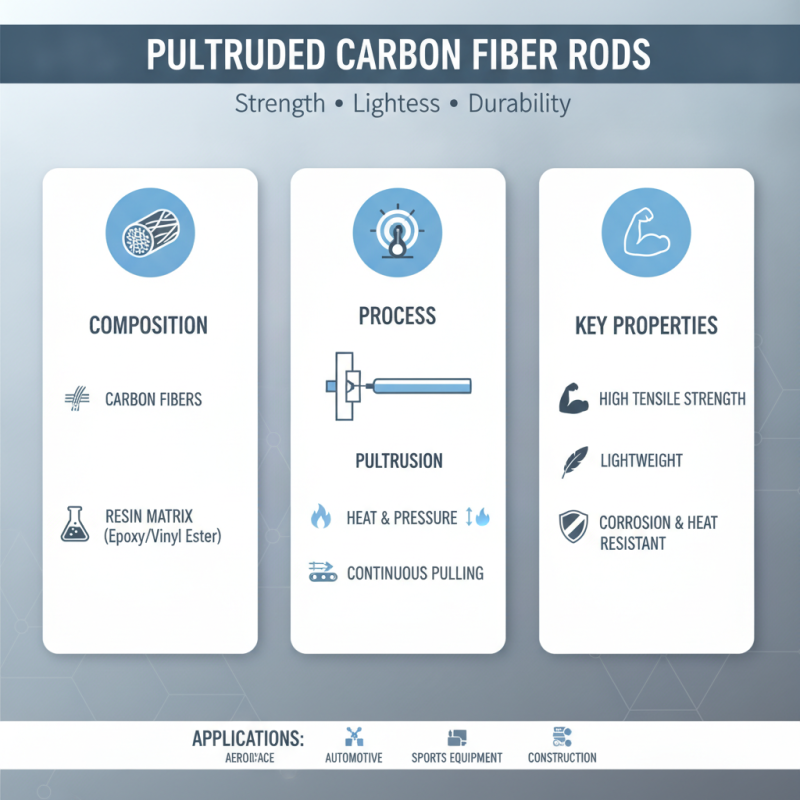
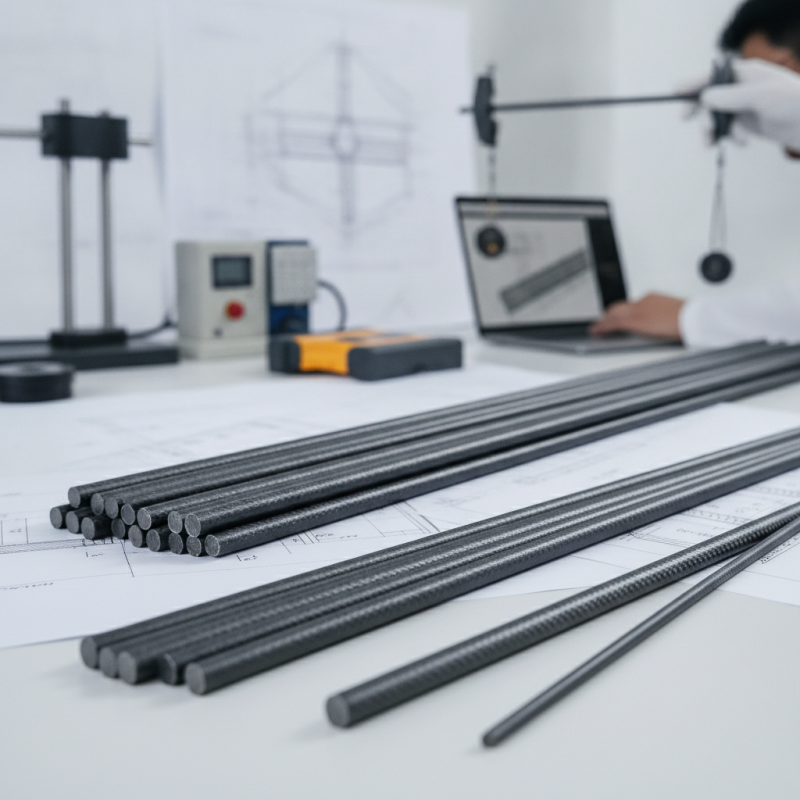
Pultruded carbon fiber rods are increasingly popular in various industries due to their unique composition. Crafted through a pultrusion process, these rods blend carbon fibers with resin under heat and pressure. This results in a lightweight yet strong material. Carbon fibers are known for their high tensile strength and stiffness, making them ideal for demanding applications. The resulting rods are not only durable but also resistant to corrosion and heat.
When considering pultruded carbon fiber rods, it’s essential to be aware of their specific properties. These rods come in various sizes and shapes, offering versatility for different projects. They can also be customized, which allows for tailored solutions. However, their cost can be higher than traditional materials. Weigh the benefits against your project's budget.
Tips: Always verify the specifications of the rods you consider. Check the tensile strength ratings and thermal properties. If you’re unsure, consult with an expert in composite materials. Working with pultruded carbon fiber rods may require adjustment in your design approach, especially concerning bonding and fabrication methods. Testing smaller samples before full-scale production can be crucial to your project's success.
Advantages of Using Pultruded Carbon Fiber Rods in Various Applications
When considering materials for various projects, pultruded carbon fiber rods stand out due to their impressive strength-to-weight ratio. These rods can be up to five times stronger than steel yet weigh only a fraction of it. This quality allows engineers and designers to create lightweight structures without sacrificing durability. Reports indicate that the global demand for carbon fiber products has grown by over 10% annually, underscoring their rising relevance across industries.
In construction and aerospace, pultruded carbon fiber rods are increasingly employed for their resilience and corrosion resistance. They perform exceptionally well in harsh environments, which often leads to extended product life cycles. However, one must consider the higher initial costs associated with carbon fiber materials. It's essential to evaluate the long-term value against these upfront expenses.
Tip: Always calculate the return on investment when choosing materials.
In marine applications, these rods enhance performance and strength while reducing overall weight, enabling better fuel efficiency. Yet, achieving the right balance between weight and strength requires careful engineering. Overestimating capabilities can lead to structural failures, a risk worth acknowledging.
Tip: Consider hiring experts to evaluate structural designs early. Their insights can save time and resources.
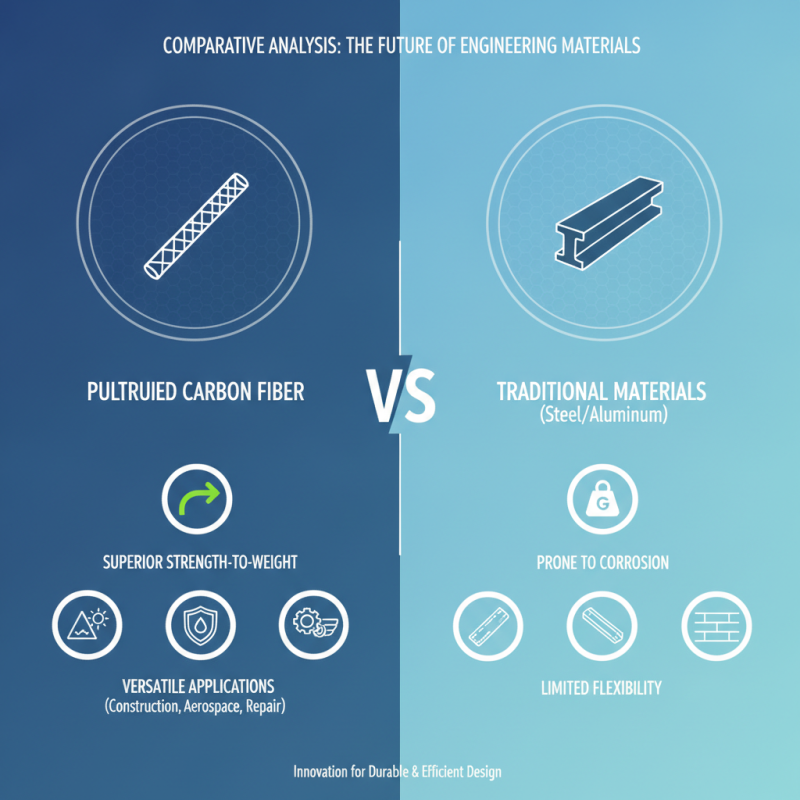
Comparative Analysis: Pultruded Carbon Fiber Rods vs. Traditional Materials
Pultruded carbon fiber rods are a game-changer in construction and engineering. Unlike traditional materials like steel or aluminum, these rods offer superior strength-to-weight ratios. They are not only lightweight but also resist corrosion and harsh weather, making them ideal for both indoor and outdoor projects. Designers often appreciate the flexibility of these rods in various applications, from infrastructure repair to aerospace components.
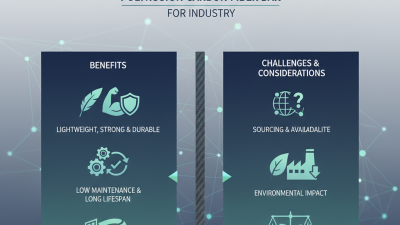
One must consider the cost. Pultruded carbon fiber can be pricier than metal alternatives. However, the long-term benefits often outweigh initial expenses. Maintenance is minimal, reducing overall project costs. The material's durability ensures longevity, which is a clear advantage. It's essential to weigh the short-term investment against potential savings over time.
In comparison, traditional materials like steel are robust but susceptible to rust. They may require coatings or treatments, which adds time and costs. While steel has a proven track record, carbon fiber is emerging as a more innovative option. The promise of improved performance calls for more specific applications. Flexibility in design choices with carbon fiber can inspire creativity, but challenges in sourcing may arise. As the market evolves, understanding these nuances becomes crucial for optimal decision-making.
Key Manufacturing Processes and Techniques for Pultruded Carbon Fiber
Pultruded carbon fiber rods are gaining traction in various industries due to their remarkable strength and lightweight properties. The manufacturing process involves drawing carbon fibers through a resin bath and then pulling them through a heated die to create a solid rod. This method ensures a consistent cross-section and optimizes fiber alignment, which enhances strength by up to 30% compared to traditional materials. According to a report by the Composites Market Group, the demand for carbon fiber products is projected to grow by 10% annually.
During production, the curing process plays a crucial role. The proper temperature control can impact rod quality significantly. If not monitored, inconsistencies may arise, affecting performance. It's vital to ensure that each batch adheres to rigorous quality standards.
Tip: Always perform tensile tests on your carbon fiber rods. This can reveal any potential weaknesses in the material.
Another key manufacturing technique is the choice of resin system. Various resins can alter the rods' properties, such as heat resistance and flexibility. Experimenting with different formulations can yield better-suited materials for specific applications. However, this requires a careful analysis of trade-offs.
Tip: Document your process changes. Understanding the impact of each adjustment helps in refining future productions.
Real-World Applications: How Industries Utilize Pultruded Carbon Fiber Rods
Pultruded carbon fiber rods have gained popularity across various industries due to their impressive strength-to-weight ratio. These rods are lightweight yet incredibly strong, making them ideal for applications where minimizing weight is crucial. In the aerospace sector, for example, engineers utilize these materials to create components that reduce overall aircraft weight, enhancing fuel efficiency. Their resistance to fatigue allows for longer-term use without the risk of structural failure.
In construction, pultruded carbon fiber rods are used for reinforcement in concrete structures. Their corrosion resistance makes them suitable for harsh environments, extending the lifespan of buildings and bridges. They serve as a reliable alternative to traditional steel reinforcements. While these rods offer many advantages, challenges in sourcing and processing can arise. Not all manufacturers provide the same quality, leading to variability in performance.
The automotive industry also benefits from pultruded carbon fibers. Lightweight rods help in the design of safer, more efficient vehicles. However, the integration of these materials requires specialized knowledge. Engineers must understand how to best leverage the properties of carbon fiber. Mistakes in this phase can lead to inefficiencies or even failures in design. Balancing these variables is essential for successful projects.