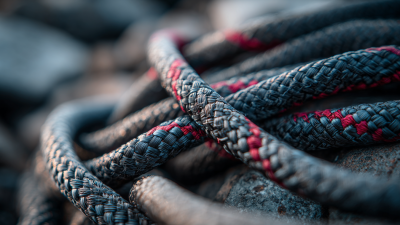
Top Benefits of Using Carbon Fiber Rope for Industries?
In today's industrial landscape, the demand for high-performance materials is on the rise. Among these materials, Carbon Fiber Rope stands out for its remarkable properties. This lightweight yet incredibly strong rope is revolutionizing various industries. It combines strength, flexibility, and resistance to environmental factors, making it a top choice for engineers and manufacturers.
Industries ranging from construction to aerospace benefit significantly from Carbon Fiber Rope. Its durability allows for longer-lasting applications, while its low weight improves efficiency. This rope can withstand harsh conditions, providing a reliable solution for critical tasks. However, some may question its high cost compared to traditional options. It’s essential to weigh the long-term benefits against the initial investment.
Choosing Carbon Fiber Rope requires reflection on specific industry needs. Each application demands careful consideration of factors like load capacity and flexibility. Nevertheless, the overall advantages often justify the change. As industries continue to innovate, Carbon Fiber Rope is poised for even greater adoption. This technology reflects a broader trend toward performance-driven materials in the modern market.
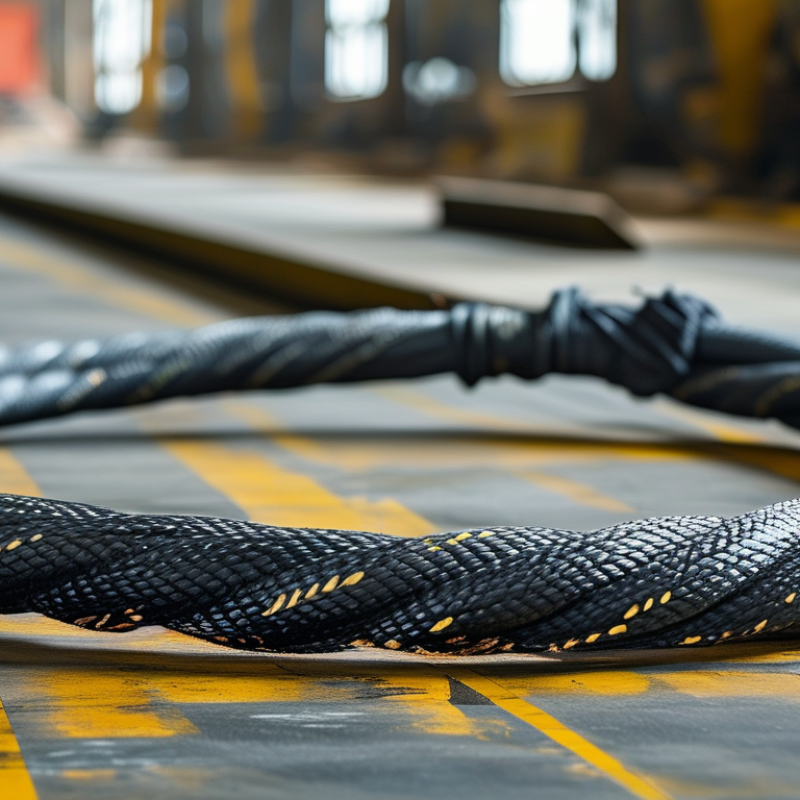
Benefits of Carbon Fiber Rope: A Game Changer in Industry Innovation
Carbon fiber rope has emerged as a revolutionary material in various industries due to its unique properties. With a tensile strength five times greater than steel, it offers unmatched durability. According to a 2022 industry report, its lightweight nature can reduce operational costs by up to 30%. This benefit not only enhances efficiency but also lowers the carbon footprint of projects, aligning with the global push for sustainability.
In industrial applications, carbon fiber rope is becoming increasingly common. Its resistance to corrosion and chemicals makes it ideal for extreme environments. Workers feel more secure using equipment that won’t easily degrade. Yet, the high initial cost can deter some organizations. A shift in mindset is required to fully recognize its long-term value. Investing in carbon fiber rope proves essential when considering durability and safety over time.
The innovation brought by carbon fiber rope doesn't stop at physical properties. Its versatility allows for customized solutions across various sectors, from construction to aerospace. Innovations are still unfolding, reflecting a rapidly evolving landscape. Industry experts predict that as production improves, these ropes will become more accessible. This ongoing evolution presents a continual challenge: adapting to new materials while ensuring quality and safety standards are met.
Top Benefits of Using Carbon Fiber Rope for Industries
The chart below illustrates the top benefits of using carbon fiber rope across various industries, showcasing a comparison of weight reduction, tensile strength, durability, and flexibility.
Durability and Strength: The Superior Properties of Carbon Fiber Rope
Carbon fiber rope is gaining attention in various industries due to its remarkable durability and strength. This lightweight material outperforms many traditional options. Its resilience allows it to withstand harsh environments, making it ideal for marine, aerospace, and construction applications. The unique fibers are intricately woven, providing superior tensile strength without the bulk.
Tips: When selecting carbon fiber rope, consider the specific load requirements. Overestimating can lead to unnecessary costs. Ensure the rope is compatible with your equipment. This minimizes the risk of failure in critical scenarios.
The process of manufacturing carbon fiber is intricate and can impact its performance. Not all carbon fiber ropes are created equal. Variations in production methods can lead to differences in quality. Always check for certifications and testing data to ensure reliability.
Tips: Regularly inspect your carbon fiber rope for signs of wear. This proactive approach can prevent unexpected failures. Proper storage and handling can also enhance its lifespan, ensuring you get the most value from your investment.
Weight Efficiency: How Carbon Fiber Rope Reduces Operational Costs
Carbon fiber rope is revolutionizing various industries, primarily through its weight efficiency. Traditional materials like steel or nylon often add considerable weight to projects, resulting in higher operational costs. In contrast, carbon fiber rope is significantly lighter, reducing the burden on machines and equipment. This decrease in weight directly translates to lower fuel consumption and easier handling, making tasks more efficient.
When companies implement carbon fiber rope, they may notice an immediate impact on logistics. Lifting equipment can handle greater loads without additional strain. Additionally, fewer trips are required, leading to enhanced productivity. These advantages contribute to noticeable savings in time and resources. However, the transition to using carbon fiber rope may require training and adjustment, which some businesses overlook. Not every situation may benefit from this advanced material right away, and careful consideration is essential.
Economic benefits also come with challenges. Carbon fiber isn’t as easily recyclable as other materials, which may raise sustainability questions. Thus, while carbon fiber rope can streamline operations, its long-term environmental effects should be analyzed. Balancing weight efficiency and environmental impact is vital for a responsible approach in various sectors.
Top Benefits of Using Carbon Fiber Rope for Industries
| Benefit |
Description |
Weight Efficiency |
Cost Reduction |
| Lightweight Construction |
Carbon fiber rope is significantly lighter than steel or nylon alternatives, leading to easier handling and installation. |
Up to 50% lighter |
Reduces labor and equipment costs |
| High Strength-to-Weight Ratio |
Carbon fiber ropes have high tensile strength, making them suitable for heavy-duty applications without adding excessive weight. |
Stronger than steel per weight |
Lower material usage costs |
| Corrosion Resistance |
Carbon fiber does not corrode, ensuring durability and longer lifespan in harsh environments. |
Enhances longevity |
Fewer replacements needed |
| Flexibility and Versatility |
Carbon fiber ropes can be easily manipulated and adapted for various industrial applications, from rigging to towing. |
Adaptable for multiple uses |
Boosts operational efficiency |
| Reduced Vibration and Shock Absorbance |
Carbon fiber rope can absorb vibrations and shocks, improving safety and performance in dynamic environments. |
Enhances stability |
Decreases risk of damage |
Corrosion Resistance: Advantages for Harsh Industrial Environments
In harsh industrial environments, corrosion can be a significant challenge. Regular materials often succumb to rust and degradation, leading to costly downtimes. Carbon fiber rope, however, stands out due to its exceptional corrosion resistance. It doesn't rust or tarnish, making it ideal for industries exposed to moisture and chemicals. The longevity of carbon fiber rope can help reduce maintenance costs significantly.
Beyond just corrosion resistance, the strength of carbon fiber rope is impressive. This material maintains high tensile strength even when exposed to extreme conditions. Industrial workers can rely on it for lifting heavy loads without fear of failure. Employing carbon fiber ropes increases safety and efficiency on job sites. Yet, it's essential to consider the specific applications of this material. In some cases, the cost may outweigh the benefits.
Industries must evaluate whether carbon fiber rope meets their needs. It's not a one-size-fits-all solution. Testing and proper implementation are crucial for maximizing its advantages. By reflecting on these factors, companies can make informed decisions about using carbon fiber rope effectively in their operations.
Safety and Performance: Carbon Fiber Rope in Critical Applications
Carbon fiber rope is revolutionizing safety and performance in critical applications. Its lightweight nature contributes significantly to efficiency. In rescue operations, for instance, first responders rely on carbon fiber ropes for their strength and durability. This material can withstand extreme tension, ensuring that it does not snap under pressure.
Industries like construction and marine use carbon fiber ropes to enhance safety protocols. The ropes are resistant to various environmental factors, including UV rays and chemicals. This resilience minimizes the risk of failure during crucial tasks. However, occasional joint weaknesses or fraying can occur with constant use. Regular inspections become essential to maintain safety and reliability.
Adopting carbon fiber ropes offers substantial advantages, but potential drawbacks must be acknowledged. The cost can be higher than traditional materials, which can be a barrier for some businesses. Investing in training for proper usage and maintenance is vital. This ensures that teams understand the limitations and capabilities of carbon fiber ropes, fostering a culture of safety and awareness.