Best Cut Proof Fabric Options for Ultimate Protection?
In today’s world, safety is a priority for many. This is especially true for industries where cut hazards are prevalent. The demand for effective protection has led to the rise of cut proof fabric. These materials are designed to resist sharp objects and prevent injuries. Whether you are in construction, manufacturing, or even kitchen settings, knowing your options is crucial.
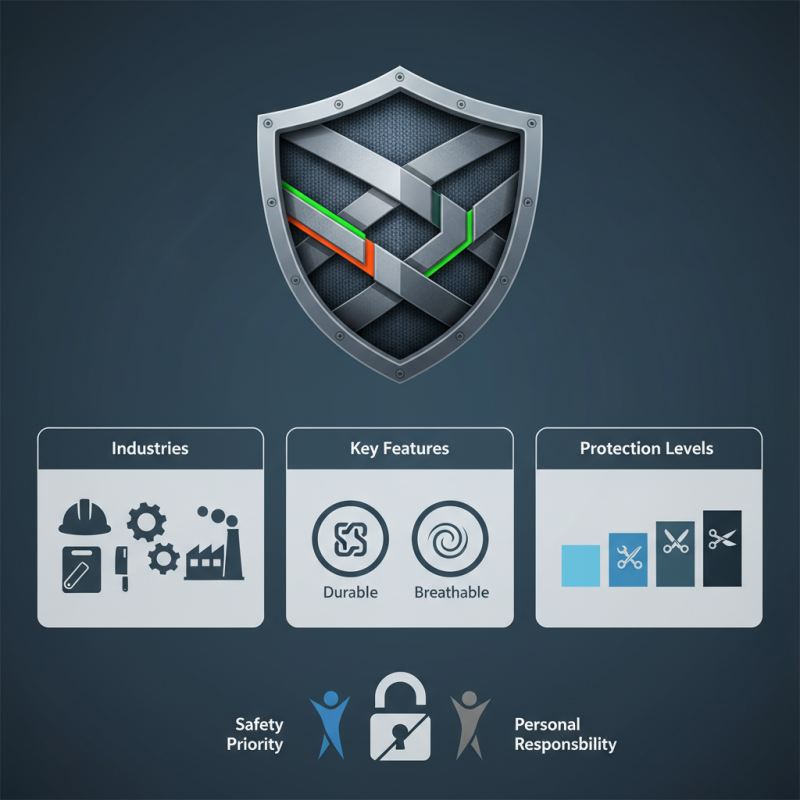
Cut proof fabric provides a reliable barrier against cuts and lacerations. Choose fabrics that are durable and breathable. Some alternatives may claim to offer protection but fall short under stress. Investing in various cut proof options can lead to better outcomes. Not all fabrics are created equal. It’s essential to consider your specific needs and the level of protection required.
Many people overlook the importance of proper gear. It’s easy to underestimate the risks involved in everyday tasks. A gap in awareness can lead to serious injuries. Cut proof fabric serves as a reminder to prioritize safety. Although options are available, personal responsibility in selecting and using these materials remains vital. Embrace the challenge of finding the best cut proof solutions for your needs.
Best Cut Proof Fabric Options for Ultimate Protection
When selecting cut-proof fabrics, the options can be overwhelming. These materials are crucial for those working in high-risk environments. According to a report by the National Safety Council, nearly 30% of workplace injuries result from cuts and lacerations. Therefore, investing in reliable fabrics is essential for safety.
Several materials excel in cut resistance. One prominent choice is Kevlar, known for its strength and durability. Another notable option is UHMWPE (Ultra-High Molecular Weight Polyethylene), offering outstanding protection without compromising flexibility. Research indicates that UHMWPE fabrics can be up to 15 times stronger than steel, making them ideal for various applications.
**Tip:** Always test the fabric in realistic conditions. A fabric's lab performance may differ from actual use. Understanding the specific hazards in your environment will guide your choice.
Choosing the right cut-proof fabric isn’t a straightforward process. Factors like thickness, weight, and weave impact performance. For instance, a heavier fabric may provide better protection but could reduce comfort. Strike a balance that suits your needs. Seek advice from professionals in your industry for the best options.
**Tip:** Review performance standards. Familiarize yourself with relevant cut-resistance ratings, such as ISO 13997 or ASTM F2992, to ensure adequate protection.
Best Cut Proof Fabric Options for Ultimate Protection
Understanding Cut Proof Fabrics: What to Look For
Cut proof fabrics are essential for anyone needing extra protection. They offer safety against sharp objects. When choosing a cut proof fabric, it helps to know what features to consider.
Look for high-performance materials. These fabrics often blend different fibers. Some common choices include Kevlar and polyethylene. They enhance durability and resistance to cuts. A good fabric should pass established safety tests. Testing ensures it meets industry standards. Additionally, evaluate the thickness. Thicker fabrics usually provide better protection but can be heavier.
Comfort is another critical factor. A cut proof fabric should feel good against the skin. Stiff materials may restrict movement, which can be frustrating. Breathability is crucial too. Fabrics that trap heat can make users uncomfortable. It’s important to find a balance. Consider how you plan to use the fabric. Specific applications may require different attributes. Reflect on your needs before making a decision.
Top Materials for Cut Resistance and Their Properties
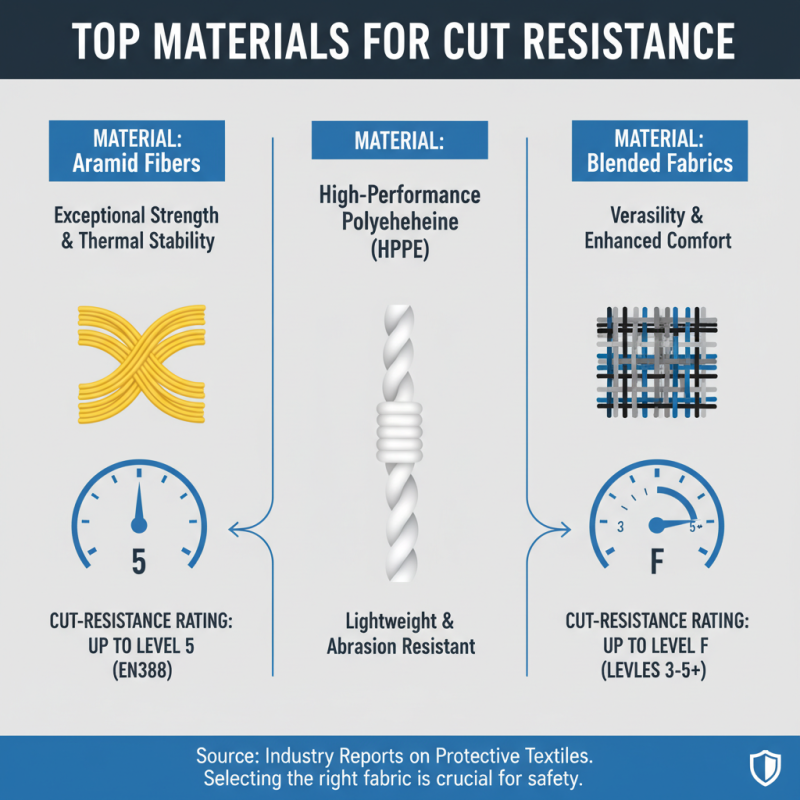
When it comes to cut resistance, selecting the right fabric is crucial. Various materials offer distinct properties that cater to different needs. For instance, aramid fibers are renowned for their strength and thermal stability. According to industry reports, aramid fabrics can withstand cut hazards effectively, making them a popular choice in protective gear. The cut-resistant rating of aramid yarns can reach up to level 5 on the EN388 scale.
Another promising material is high-density polyethylene (HDPE). It combines lightweight features with impressive cut resistance. Studies show that HDPE can resist sharp blades while maintaining flexibility. This makes it ideal for applications in food handling and construction. Some reports highlight that HDPE fabrics offer a tensile strength of about 34,000 PSI. This is an impressive figure compared to traditional materials.
While these fabrics are effective, they may not be perfect. For example, aramid fabrics can be expensive and may not always be highly breathable. Similarly, HDPE, while durable, might lack in high-temperature scenarios. Understanding these limitations is essential for making informed decisions. Balancing protection, comfort, and cost remains a challenge for many industries.
Comparative Analysis of Popular Cut Proof Fabrics
When it comes to cut-proof fabrics, several options stand out for their unique properties. Kevlar is known for its high tensile strength and heat resistance. It’s lightweight but offers impressive protection against cuts. Another notable option is Dyneema, which exceeds Kevlar in cutting resistance. It's often used in applications where weight is a critical factor.
However, these materials come with challenges. Kevlar can be uncomfortable in high temperatures, leading to sweating and distraction. Dyneema, while strong, may not perform well in wet conditions. Each fabric has strengths and weaknesses. It’s crucial to consider the specific application when choosing a fabric. For tasks requiring flexibility and durability, one might prioritize certain fabrics over others.
Additionally, many users overlook comfort and fit. If the fabric is not breathable, it can lead to discomfort during extended wear. Testing different options can be essential. Finding the right balance between protection and usability often necessitates compromise. Ultimately, understanding the trade-offs is key in making an informed choice for cut-proof fabrics.
Best Cut Proof Fabric Options for Ultimate Protection
| Fabric Type |
Cut Resistance Level |
Weight (g/m²) |
Durability |
Breathability |
| Kevlar |
Level A6 |
200 |
High |
Moderate |
| Dyneema |
Level A5 |
150 |
Very High |
High |
| Spectra |
Level A4 |
180 |
High |
Moderate |
| HPPE (High-Performance Polyethylene) |
Level A3 |
130 |
Moderate |
High |
| Aramid |
Level A2 |
120 |
Moderate |
Low |
Applications of Cut Proof Fabrics in Various Industries
Cut proof fabrics have become essential in various industries. In manufacturing, workers often face risks of cuts and abrasions. According to a report by the National Safety Council, nearly 30% of workplace injuries are lacerations. This statistic highlights the need for protective materials. Employers are investing in cut resistant gear, reducing injuries by 70% in some cases.
In healthcare, cut proof fabrics are crucial for staff handling sharp instruments. A recent study showed that 40% of healthcare workers experience needlestick injuries. Using cut resistant gloves can protect against these risks.
The emergency services also benefit from these materials. Firefighters and paramedics rely on cut proof gear while responding to emergencies. The durability of these fabrics allows for safer operations in hazardous environments.
Construction sites pose significant dangers. According to OSHA, about 100,000 injuries occur annually from cuts and lacerations. Workers using cut proof fabrics can experience safety improvements. However, despite advancements, there remains a need for continuous development and testing.
Many fabrics still fall short in flexibility and comfort. This raises questions about balancing safety and usability. Industry feedback is crucial for ongoing innovation.
Conclusion
Cut Proof Fabric is essential for those seeking robust protection in various environments. The article provides an overview of the factors to consider when selecting cut proof fabrics, emphasizing the importance of material properties such as strength, durability, and flexibility. It highlights several top materials known for their cut resistance, offering a comparative analysis of their effectiveness in different situations.
Additionally, the article explores the applications of cut proof fabrics across various industries, showcasing their vital role in enhancing safety for workers in hazardous conditions. To ensure longevity, it concludes with valuable care and maintenance tips tailored for these specialized fabrics, ensuring they retain their protective qualities over time.