2026 Best Cut Resistant Cloth Options for Safety and Comfort?
In today's industrial landscape, safety is paramount. Workers face numerous hazards, and cut injuries are among the most common. A report by the National Safety Council notes that cut injuries contribute to large medical costs and missed workdays, affecting productivity. In this context, "Cut Resistant Cloth" has emerged as a vital solution.
Materials such as Kevlar and Dyneema are at the forefront of cut-resistant technology, providing robust protection without sacrificing comfort. These fabrics are designed to withstand sharp objects while remaining lightweight. However, the performance of these materials can vary across different applications. For example, a study from the American Society of Safety Professionals highlights that the right cloth can reduce injury risk by up to 50%.
Yet, choosing the best cut-resistant options can be challenging. Not all products are created equal, and some may not offer the anticipated protection. Additionally, comfort is often overlooked in favor of durability. Balancing these factors is essential for ensuring safety on the job. This article will explore the best cut-resistant cloth options available in 2026, focusing on both safety and comfort.
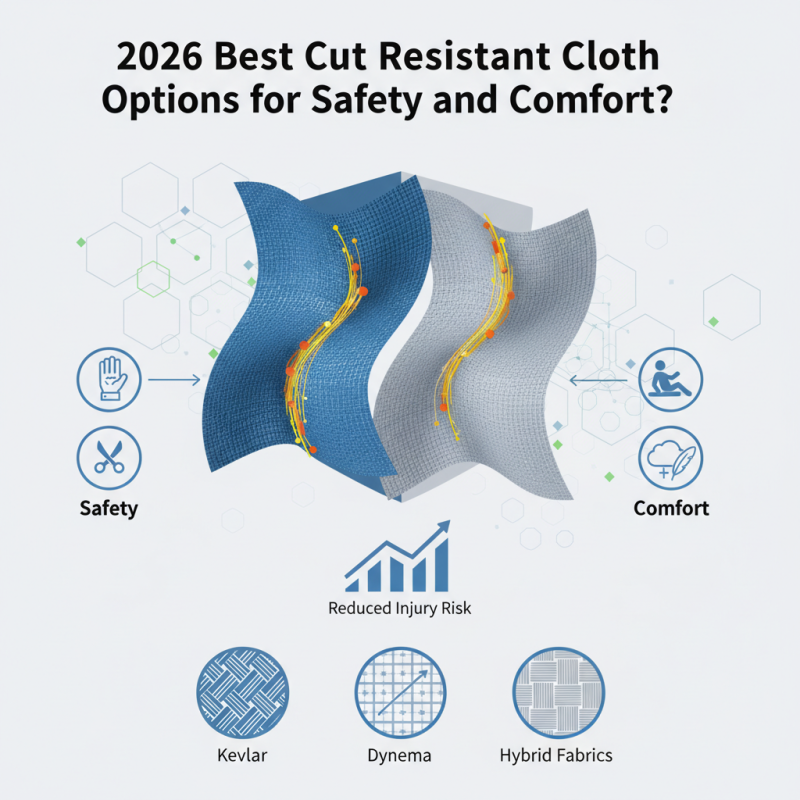
2026 Overview of Cut Resistant Cloth Materials and Technologies
Cut-resistant cloth materials have evolved significantly. Advances in technology have led to fabrics that combine safety and comfort. According to a 2022 industry report, the global cut-resistant clothing market is expected to reach $3 billion by 2026, growing at a rate of 6% annually. This surge highlights the importance of innovation in fabric production, especially in sectors like manufacturing and healthcare.
Modern cut-resistant fabrics utilize unique blends of fibers, such as high-performance polyethylene and aramid. These materials offer enhanced protection while remaining lightweight. Testing shows that fabrics with a cut-resistance rating of Level A6 can withstand forces up to 20 Newtons. However, challenges persist. Many workers report discomfort when wearing heavy-duty options for extended periods. Balancing safety and comfort continues to be a struggle for manufacturers.
Some emerging technologies, like 3D knitting and smart textiles, are promising. They aim to improve flexibility and breathability. Yet, these innovations can be costly. A recent survey indicated that only 30% of companies are willing to invest in newer technologies. There’s a need for more education on the importance of cut-resistant gear. Understanding safety ratings and material types is crucial for making informed choices.
Key Performance Indicators for Cut Resistance Ratings in Textiles
Cut resistance in textiles is crucial for safety across various industries. When selecting cut-resistant cloth, it's essential to consider key performance indicators (KPIs). These include the cut resistance ratings, the fabric's weight, and its overall comfort.
The ISO 13997 standard is widely used to test cut resistance. It rates fabrics from A to F, with A being the lowest resistance and F the highest. Reports show that fabrics rated E and F provide excellent protection against sharp objects. However, comfort can sometimes suffer at higher ratings. Heavier fabrics can feel restrictive. Balancing protection and comfort is not always straightforward.
Another important factor is the fabric's composition. Many high-performing textiles use blended fibers to enhance durability and flexibility. Surprisingly, some materials that seem strong can fail under specific conditions. Full testing is essential. Cut resistance must be tested in real-life scenarios to ensure effectiveness. Awareness of these KPIs can lead to better choices, making safety a priority while maintaining comfort.
2026 Best Cut Resistant Cloth Options for Safety and Comfort
Comparative Analysis of Natural vs. Synthetic Cut Resistant Fabrics
When considering cut-resistant fabrics, both natural and synthetic options offer distinct advantages. Natural fabrics, like cotton blends, are breathable and comfortable. They provide decent protection but often lack durability. On the other hand, synthetic materials, such as Kevlar and Dyneema, offer higher cut resistance. They are less breathable but can withstand harsher conditions. This makes them ideal for high-risk environments.
Choosing the right fabric depends on your needs. For tasks with less exposure to cuts, natural options may suffice. However, in industrial settings, synthetic options are usually safer. Each fabric has its unique texture and feel. This means that what works for one person may not work for another. Sometimes, a blend of both types is worth exploring.
Tips: Consider trying out samples before making a final choice. Sometimes, a fabric may feel good but lack the needed protection. Comfort is essential, but so is safety. Don't forget to check for maintenance requirements. Some fabrics might need special washing techniques. This can affect your overall safety and comfort in the long run.
User Comfort and Ergonomics in Cut Resistant Clothing Design
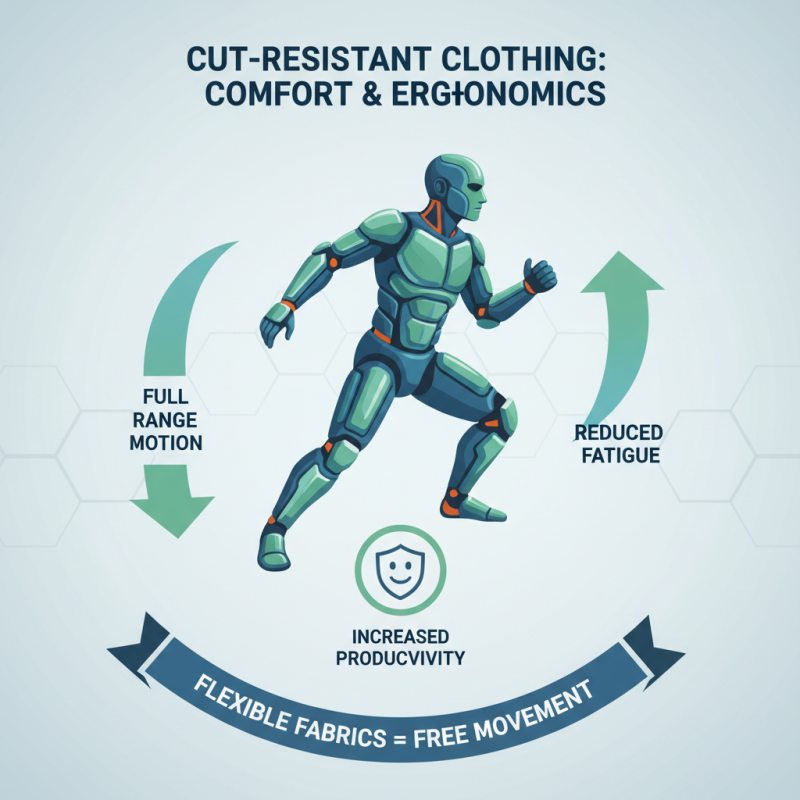
In the design of cut resistant clothing, user comfort plays a critical role. Ergonomics must be prioritized. The fabric should be flexible, allowing full range of motion. Workers need to move freely, especially in high-demand environments. If clothing is too tight or stiff, it can hinder performance. This can lead to frustration and discomfort on the job.
Materials must also promote breathability. Heavy fabrics can trap heat, causing sweat and irritation. Choosing the right blend of fibers can alleviate these issues. Small design elements matter too. Seams should lay flat against the skin to avoid chafing. Pockets need to be positioned thoughtfully, allowing easy access without bulk.
Attention to detail is key, yet challenges remain. Some cut resistant options can feel bulky. Users might underestimate the importance of fit. Trial and error is often necessary, which can be frustrating. Ultimately, striking a balance between safety and comfort is a journey worth taking. Each user's needs differ, and finding the right garment may require patience and careful consideration.
Regulatory Standards and Testing Procedures for Safety Fabrics
When selecting cut-resistant fabrics, understanding regulatory standards is crucial. These standards ensure the materials meet safety requirements. Fabrics go through rigorous testing procedures to confirm their effectiveness. Different tests measure abrasion resistance, cut resistance, and puncture resistance.
Tips: Always check the test results. Look for independent certifications. Knowing how a fabric performed in tests can guide your choice.
Additionally, the comfort of these fabrics is essential. Some cut-resistant options may feel stiff or heavy. Finding a balance between comfort and protection is vital. Look for options with added flexibility and breathability.
Tips: Try on various materials. Assess how they feel during movement. This step helps avoid discomfort during extended wear. Minor imperfections in fabric designs may arise. Ensure you reflect on whether these affect your safety needs.