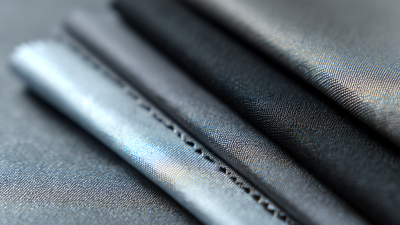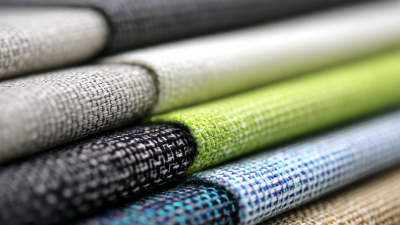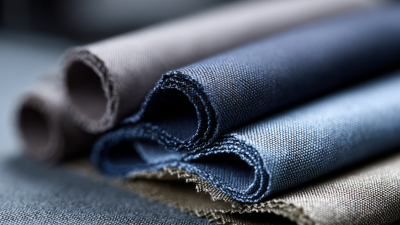
Cut Resistant Cloth has become a practical sourcing priority for manufacturers, logistics companies, metal processors, and protective-equipment brands. Global buyers now expect more than impressive laboratory claims. They need traceable fibers, stable coating quality, consistent thickness, and documented test results.
Market evidence supports this demand. MarketsandMarkets estimates that the global cut-resistant gloves market could grow from about USD 2.7 billion in 2023 to USD 4.4 billion by 2028. Its report identifies manufacturing, construction, and automotive production as major application areas. Grand View Research also reports continued expansion in the broader protective clothing market, driven by workplace safety requirements and industrial automation. These figures describe related markets, not Cut Resistant Cloth alone. That distinction matters.
Dr. Peter Dobbelstein, an Ansell technical specialist, has stated, “There is no one glove that can protect against all hazards.” The same principle applies to protective fabric. A high cut-resistance rating does not automatically mean comfort, heat stability, tear strength, or long service life. Buyers should compare EN 388 and ANSI/ISEA 105 test data, fiber composition, washing performance, minimum order quantities, and quality-control records. Supplier experience matters too. Ask for production samples, not only brochures.
This guide examines ten Cut Resistant Cloth suppliers for global buyers. It considers technical capability, export experience, customization, certifications, and communication reliability. The ranking is useful, but not perfect. A supplier with excellent test results may still struggle with delivery consistency. A lower-cost fabric may become expensive after repeated replacement. Real procurement is messier than a neat table.

Cut-resistant cloth is engineered to slow blade penetration, not to make fabric completely uncuttable. Its performance depends on yarn structure, fiber type, fabric density, and finishing processes. A supplier should explain these details clearly, with test reports linked to the exact fabric lot or construction.
ANSI/ISEA 105 evaluates cut resistance using a force-based method, commonly reported from A1 to A9. Higher levels require greater cutting force. The result is expressed in grams, which helps buyers compare materials more precisely. However, the rating should not be read alone. Coatings, seams, moisture, stretching, and repeated washing can change real performance. Small details matter.
EN 388:2016 uses a different system. Cut resistance may include the Coup Test level, from 1 to 5, and the ISO 13997 result, graded A to F. The ISO 13997 test is especially useful for stronger technical fabrics because it measures force against a cut. A supplier should provide the full performance code, including abrasion, tear, and puncture results. An “X” means that a test was not performed or was unsuitable, not that the material failed.
Do not compare letters and numbers directly. They measure different methods. Ask for test dates, laboratory details, fabric weight, and washing conditions. A high rating still may not suit sharp-edged machinery. This is where buyers can misjudge risk. Sample testing under actual handling conditions remains necessary, even when the paperwork looks complete.

ANSI/ISEA 105 rates cut resistance from A1 to A9 using grams of force, while EN 388:2016 uses the ISO 13997 TDM test with levels A to F in newtons. The bars show the lower threshold of each rating band; the two standards are not directly equivalent.
ANSI/ISEA 105 ranges: A1 200–499 g, A2 500–999 g, A3 1,000–1,499 g, A4 1,500–2,199 g, A5 2,200–2,999 g, A6 3,000–3,999 g, A7 4,000–4,999 g, A8 5,000–5,999 g, A9 6,000 g or more. EN 388:2016 ISO 13997 ranges: A 2–<5 N, B 5–<10 N, C 10–<15 N, D 15–<22 N, E 22–<30 N, F 30 N or more.
Use a transparent scoring model. Give MOQ 25%, lead time 30%, ISO 9001 and traceability 25%, and testing consistency 20%. Record quoted and actual delivery dates across three orders. The International Trade Centre’s Trade Map data shows how strongly textile supply chains depend on international sourcing, where delays can involve ports, customs, and inland transport. My first scorecard valued low MOQ too highly. That was a mistake. Small batches can hide unstable yarn tension or uneven coating.
Tips: Ask for a five-meter sample, a production-lot report, and a written replenishment plan. Check whether “21 days” means production only. Measure cutting performance after washing, not only before it. Keep two qualified suppliers when possible. No scorecard is perfect. A supplier’s honest response to defects may matter more than a polished certificate.
Global buyers need more than a supplier list when sourcing cut-resistant cloth. The A1–A9 scale helps compare protection levels under ANSI/ISEA 105 testing. A1 suits light handling, while A9 targets severe cutting hazards. However, higher protection can reduce flexibility and comfort. That trade-off matters.
The best suppliers should provide recent laboratory reports, fiber composition, fabric weight, and batch traceability. Common high-performance fibers include UHMWPE, aramid, engineered yarns, and stainless-steel blends. UHMWPE offers a soft hand feel and strong cut resistance. Aramid handles heat better but may feel stiffer. Metal blends can improve protection, yet they often affect drape and sewing performance.
Request swatches before placing large orders. A fabric may pass testing but perform poorly after washing or repeated bending. No supplier is perfect.
Tips: Ask for samples from the intended production lot, not only showroom material. Check cut level, tear strength, abrasion resistance, and wash durability together. Confirm whether testing covers the finished cloth or only the raw yarn. Inspect the selvage, coating uniformity, and color consistency under bright light. Keep written specifications, because small changes in fiber ratio can alter performance. A cautious review may feel slow, but one overlooked detail can disrupt an entire shipment.
10 Best Cut Resistant Cloth Suppliers for Global Buyers
Leading UHMWPE, Aramid, and Glass-Fiber Cloth Manufacturers Worldwide
Global buyers often compare ten leading cut resistant cloth suppliers by fiber quality, weaving control, testing, and delivery reliability. UHMWPE cloth offers very high strength with low weight, making it suitable for gloves, protective panels, and industrial sleeves. It can feel smooth and flexible.
Aramid cloth performs well near heat and repeated mechanical stress. It is commonly selected for protective covers, reinforcement layers, and demanding work environments. Glass-fiber cloth provides strong dimensional stability and useful abrasion resistance. However, it may feel stiffer and less comfortable against skin. No material wins every test.
A reliable supplier should provide fiber specifications, fabric weight, weave details, coating information, and traceable batch records. Buyers should request test data based on recognized methods, such as ISO 13997 or ASTM F2992, where applicable. Testing the finished construction matters more than trusting fiber claims alone. Layers, seams, coatings, and moisture can change performance.
Experienced sourcing teams should examine sample consistency under cutting, bending, washing, and edge contact. Ask about minimum order quantities, color control, custom widths, inspection procedures, and export packaging. A small sample may look excellent, yet production rolls can vary. That detail deserves attention. Suppliers with documented quality systems and responsive technical staff usually reduce avoidable delays. Still, buyers should verify every claim independently before approving large-volume orders.
Comparative capability guide for global sourcing of cut-resistant technical fabrics
| Profile | Primary Cloth Type | Typical Construction | Typical Areal Weight | Common Roll Width | Key Performance Focus | Typical End Uses | Common Testing References | Typical MOQ | Indicative Lead Time |
|---|---|---|---|---|---|---|---|---|---|
| Profile 01 | UHMWPE woven cloth | Plain or basket weave | 100–250 g/m² | 1.0–2.0 m | Very high strength-to-weight ratio and cut resistance | Protective gloves, sleeves, panels, sporting goods | EN 388, ISO 13997, ASTM F2992 | 300–1,000 m² | 3–6 weeks |
| Profile 02 | UHMWPE knitted fabric | Warp-knit or weft-knit structure | 120–300 g/m² | 1.2–2.1 m | Flexibility, stretch recovery, and low linting | Cut-resistant liners, workwear, medical and automotive components | EN 388, ISO 13997, ASTM F2992 | 500–2,000 m² | 4–7 weeks |
| Profile 03 | Para-aramid woven cloth | High-density plain weave | 170–400 g/m² | 1.0–1.8 m | Cut, abrasion, and flame resistance | Protective clothing, industrial gloves, ballistic and composite reinforcement | EN 388, ISO 13997, EN ISO 11612 | 300–1,000 m² | 4–8 weeks |
| Profile 04 | Meta-aramid fabric | Plain weave or twill weave | 150–350 g/m² | 1.0–1.6 m | Inherent flame resistance and thermal stability | Heat-protective apparel, welding garments, electrical workwear | EN ISO 11612, ASTM F1506, EN 388 | 500–1,500 m² | 5–9 weeks |
| Profile 05 | E-glass woven cloth | Plain, satin, or twill weave | 100–600 g/m² | 1.0–2.0 m | High-temperature resistance and dimensional stability | Thermal blankets, composite laminates, insulation, welding screens | ASTM D5035, ASTM E84, EN 13501-1 | 500–2,000 m² | 3–6 weeks |
| Profile 06 | Glass-fiber and aramid blend | Hybrid woven construction | 180–500 g/m² | 1.0–1.8 m | Balanced cut, heat, and abrasion protection | Foundry garments, industrial covers, thermal barriers | EN 388, ISO 13997, EN ISO 11612 | 500–1,500 m² | 5–8 weeks |
| Profile 07 | UHMWPE–aramid hybrid cloth | Layered or interwoven hybrid | 180–350 g/m² | 1.0–1.8 m | High cut resistance with improved thermal performance | Gloves, sleeves, safety panels, technical apparel | EN 388, ISO 13997, ASTM F2992 | 500–1,500 m² | 5–9 weeks |
| Profile 08 | Coated cut-resistant fabric | Textile base with PU, PVC, or silicone coating | 250–700 g/m² | 1.0–1.6 m | Cut protection plus grip, liquid resistance, or cleanability | Conveyor covers, protective panels, gloves, industrial curtains | EN 388, ISO 13997, ASTM F1671 where applicable | 300–1,000 m² | 5–10 weeks |
| Profile 09 | High-tenacity polyester–aramid blend | Tight woven blend | 200–450 g/m² | 1.2–2.0 m | Cost-efficient abrasion and moderate cut resistance | Industrial uniforms, machine guards, bags, transport covers | EN 388, ISO 13997, ASTM D3884 | 800–2,500 m² | 4–8 weeks |
| Profile 10 | Multilayer protective cloth | UHMWPE, aramid, glass fiber, and barrier layers | 350–1,000 g/m² | 1.0–1.5 m | Combined cut, heat, puncture, and abrasion protection | Industrial PPE, robotic safety covers, composite and defense applications | EN 388, ISO 13997, EN ISO 11612, ASTM F2992 | 500–1,500 m² | 6–12 weeks |
Global buyers assessing cut-resistant cloth suppliers should verify test evidence, not rely on catalog claims.
ASTM F2992 measures cut resistance using a tomodynamometer and reports results in grams of force. Ask for the complete laboratory report, test date, specimen description, and laboratory accreditation.
A single cut score may not represent every fabric roll. Construction, coating, moisture, and finishing can change performance.
CE marking also needs careful review.
It indicates conformity with applicable European requirements, not automatic proof of superior protection. For protective gloves or sleeves, request the EU Declaration of Conformity and relevant harmonized standards, such as EN 388 where applicable.
Check whether the certificate covers the exact product, composition, and protection level.
Do not accept a certificate for a similar-looking item.
GSM helps compare fabric weight, but it does not equal cut protection.
Request the measured GSM range, tolerance, and test method. Then compare it with the production specification.
Batch-test claims should include lot numbers, sampling plans, raw-material records, and retained samples.
During supplier audits, buyers can match carton labels with test documents and inspect rolls under consistent lighting.
I have seen paperwork look precise while batch identification remained vague. That gap deserves attention.
Independent retesting is sensible when results seem unusually high, old, or disconnected from the delivered material.