How to Buy Forged Carbon Sheet for Global Procurement Needs?
In the rapidly evolving landscape of advanced materials, the demand for Forged Carbon Sheets is on the rise. According to a recent report by MarketsandMarkets, the global carbon composites market is projected to reach USD 45.02 billion by 2026, growing at a CAGR of 12.3%. This surge is driven by industries seeking lightweight, high-strength materials for aerospace, automotive, and sporting goods.
Industry expert Dr. James McCarthy, a leading researcher in carbon materials, states, “Forged Carbon Sheet production combines strength with exceptional design flexibility.” His insight emphasizes the material's growing importance in modern engineering. However, sourcing high-quality Forged Carbon Sheets can be challenging due to varying manufacturing standards and supplier reliability.
Understanding the market dynamics and supplier capabilities is crucial. Analysts indicate that companies can improve their procurement strategies by focusing on key certifications and performance metrics. Yet, many organizations still struggle with inconsistencies in product quality. Addressing these challenges demands a critical evaluation of supplier networks and product samples. This approach ensures that purchasing teams can make informed decisions that impact overall project success.

Identifying Key Specifications for Forged Carbon Sheets in Procurement
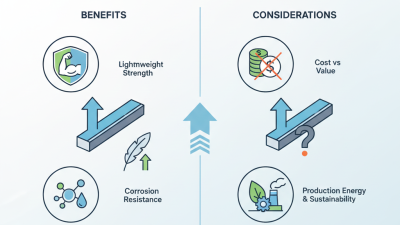
When procuring forged carbon sheets, understanding key specifications is essential. These sheets are renowned for their lightweight strength and unique aesthetic. Key factors to consider include thickness, dimensional tolerance, and surface finish. Each specification plays a crucial role in the material’s application and performance.
**Tips:** Always verify the material properties provided by suppliers. The actual performance of forged carbon sheets can vary slightly from specifications. Conduct tests if possible to ensure they meet your needs.
Another important aspect is the sheet's layering process. Different layering techniques can affect strength and appearance. Consider how these will impact your project. Transparency in manufacturing processes is vital for reliable procurement.
**Tips:** Keep communication open with suppliers. Discuss any concerns about specifications. This dialogue can lead to better understanding and optimal choices. Remember, not every supplier may meet your precise requirements. Consider multiple options before deciding.
Assessing Supplier Capabilities and Certifications for Global Supply
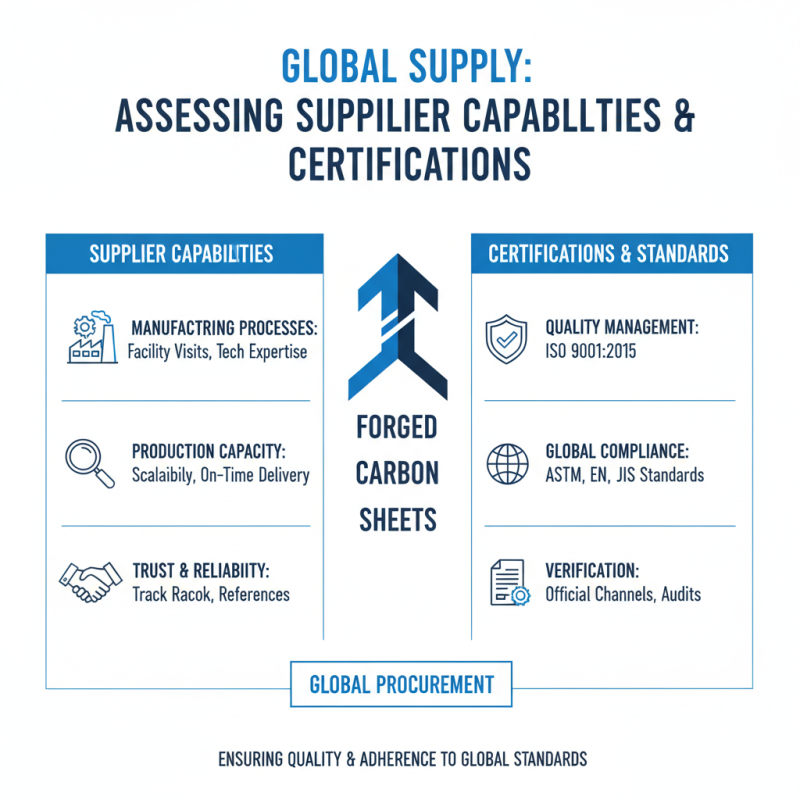
When considering global procurement of forged carbon sheets, supplier capabilities play a crucial role. Start by evaluating suppliers' manufacturing processes. A visit to their facility can reveal their technological expertise. Certifications such as ISO 9001 can indicate a commitment to quality. Verify these certifications through official channels. This step builds trust and ensures adherence to global standards.
Next, examine the suppliers' experience in the industry. Look for those with a proven track record. Years of operation do not always equate to reliability. A newer supplier may offer innovative solutions. However, cautious assessment is necessary. Request references from previous clients to gauge performance.
Lastly, consider the supplier's flexibility in meeting your specific needs. Ask about their ability to handle customized orders. Communication is vital; ensure they understand your requirements. A responsive supplier can make a difference. However, be prepared for potential delays or miscommunications. This realistic approach fosters a productive partnership in the long run.
Understanding Pricing Trends and Market Demand for Forged Carbon Sheets
When considering the purchase of forged carbon sheets, understanding pricing trends is crucial. The market for these materials has seen fluctuations based on supply and demand. In recent years, the demand for lightweight yet strong materials has surged in various industries, including automotive and aerospace. This rising demand can lead to increased prices, challenging buyers to navigate market dynamics effectively.
Market demand is influenced by several factors, such as emerging technologies and production capabilities. However, not all suppliers may offer the same quality or price point. Potential buyers face the risk of overspending or obtaining subpar materials. Conducting thorough research on suppliers and their reputations is essential. Engage with industry experts and utilize reputable sources to assess market conditions.
Pricing can also vary based on the thickness and finish of the carbon sheets. Customizations may add to costs, complicating procurement decisions. Buyers should be prepared to balance their budget with the specific needs of their projects. Awareness of these complexities can help streamline purchasing processes and mitigate financial risks, ensuring a sound investment in forged carbon sheets.
Evaluating Quality Standards and Testing Methods in the Industry
When purchasing forged carbon sheets, quality standards and testing methods are crucial. The industry lacks uniformity in these standards, leading to significant variability in product quality. According to a recent study by the Carbon Composite Institute, nearly 30% of initial samples do not meet specified tensile strength requirements. This variation can directly affect the product's performance in demanding applications.
Several testing methods are employed to evaluate forged carbon sheets. The most common include tensile testing, flexural testing, and impact testing. Each method provides insights into key properties such as strength and durability. Despite these options, many suppliers rely on outdated techniques. This could lead to misrepresentation of a product’s true performance capabilities. Inadequate testing may compromise the material's reliability, making it vital for buyers to request comprehensive documentation from suppliers.
Additionally, third-party verification is becoming increasingly important. Organizations like the International Composites Association emphasize the value of independent testing. They confirm that certified materials not only meet but often exceed industry standards. However, the inconsistency across different testing labs can create confusion. Buyers need to be vigilant in understanding how these tests relate to their specific needs. The responsibility lies with the buyer to ensure adherence to quality benchmarks and to seek out transparency in manufacturing processes.
How to Buy Forged Carbon Sheet for Global Procurement Needs? - Evaluating Quality Standards and Testing Methods in the Industry
| Criteria |
Measurement |
Standard |
Testing Method |
Frequency of Testing |
| Thickness |
Millimeters (mm) |
±0.1 mm |
Caliper Measurement |
Each Batch |
| Carbon Content |
Percentage (%) |
Min 98% |
Elemental Analysis |
Each Batch |
| Density |
Grams per cubic centimeter (g/cm³) |
1.5 - 1.8 g/cm³ |
Hydrostatic Weighing |
Monthly |
| Surface Finish |
Roughness (Ra) |
< 1.0 μm |
Surface Profilometer |
Quarterly |
| Flexural Strength |
Megapascals (MPa) |
> 200 MPa |
Flexural Test |
Each Batch |
Exploring Logistics and Shipping Considerations for International Orders
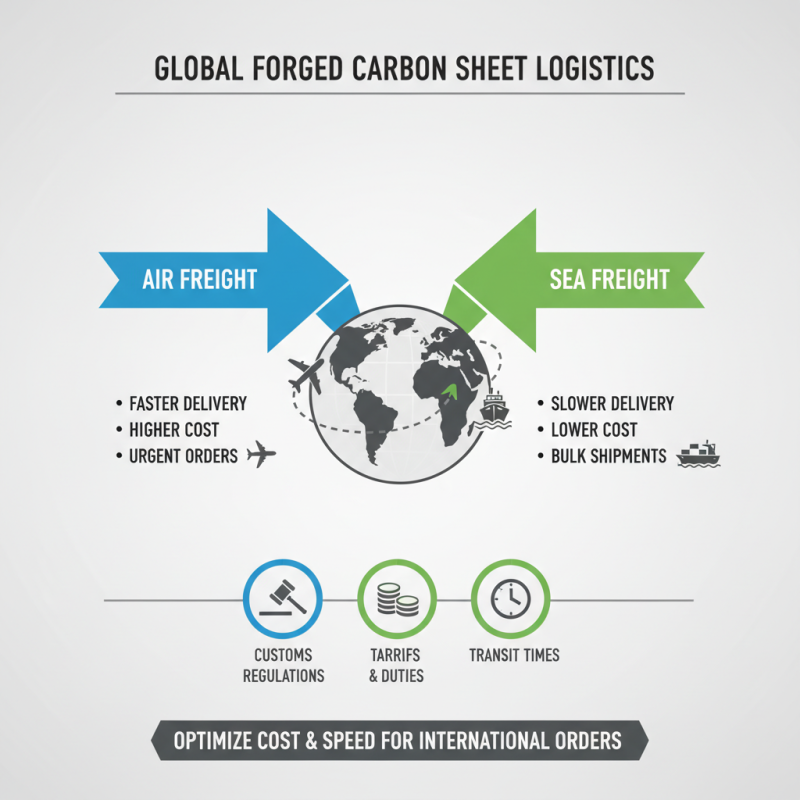
When considering logistics for forged carbon sheet procurement, understanding shipping details is crucial. International orders often face complexities like customs regulations, tariffs, and shipping times. The shipping method chosen can significantly affect costs and delivery speed. For example, air freight is faster but more expensive compared to sea freight.
According to expert analyses, over 60% of companies experience delays due to inadequate shipping planning. This can lead to project setbacks. Understanding the supply chain for forged carbon products requires knowledge of international freight laws. Proper documentation must accompany shipments to avoid penalties that can reach thousands of dollars.
A recent report highlighted that 30% of international shipments are delayed due to customs issues. Small errors in paperwork often lead to significant consequences. Therefore, businesses need to prioritize due diligence. They should work closely with logistics experts who can navigate the complexities of global shipping. Efficient logistics are not just about getting products; they are about ensuring reliability and reducing risk.