What is Carbon Fiber Sheet and How to Choose the Best Option?
Carbon Fiber Sheet is a remarkable material that has gained popularity across various industries. Its lightweight nature and exceptional strength make it a top choice for aerospace, automotive, and sporting goods. However, not all carbon fiber sheets are created equal. Choosing the right option can be overwhelming, given the diverse range of products available.
When selecting a carbon fiber sheet, consider factors like thickness, weave pattern, and resin type. Different applications demand unique properties. For example, a thicker sheet may offer higher strength but add weight. The weave pattern affects flexibility and aesthetics. Finding the perfect balance can be challenging.
It's essential to rely on reputable suppliers who provide detailed product specifications. Look for reviews and seek recommendations from professionals in the field. Mistakes can be costly, and understanding your needs will help you make informed decisions. Carbon fiber sheets offer amazing potential, but they require careful consideration to maximize their benefits.

What is Carbon Fiber Sheet?
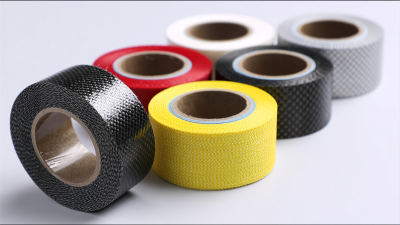
Carbon fiber sheets are versatile materials known for their strength and lightweight properties. They are composed of thin strands of carbon woven together. This composition gives them unique characteristics. For instance, they can withstand high temperatures and exhibit excellent resistance to corrosion. According to a 2022 report by MarketsandMarkets, the global carbon fiber market is expected to reach $6.6 billion by 2027, highlighting their increasing relevance in various industries.
When selecting the right carbon fiber sheet, several factors come into play. The thickness and weave of the sheet can affect its performance and durability. Manufacturers often cite a tensile strength exceeding 600 MPa, but real-world applications may reveal variances based on environmental exposure. It's essential to consider these factors carefully before making a choice. Misjudging the specific application could lead to unsatisfactory results. Some users find it challenging to balance weight and strength, especially in aerospace or automotive applications, where precision is critical.
The production of carbon fiber involves both high-performance processes and substantial energy consumption. Reports suggest that the carbon footprint from manufacturing is a point of concern. In striving for better performance, one must reflect on sustainability issues associated with sourcing and recycling these materials. Sustainable practices are crucial for moving forward in this industry, where innovation must align with environmental responsibility.
Key Properties of Carbon Fiber Sheets
Carbon fiber sheets are celebrated for their remarkable strength and lightweight properties. These sheets are crafted from fibers woven together and bonded with resin. The result is a material that boasts a high strength-to-weight ratio. This makes it ideal for various applications, including aerospace, automotive, and sporting goods. However, not all carbon fiber sheets are created equal.
When choosing a carbon fiber sheet, consider its tensile strength and flexibility. High tensile strength ensures durability, while flexibility can impact its application. The stiffness of the sheet is also worth noting. A stiffer sheet provides excellent structural support but may be more challenging to work with. Thickness is another essential aspect; thicker sheets offer enhanced strength but may add unwanted weight.
Be mindful of the manufacturing process, as it significantly affects quality. Some sheets are made through traditional methods, while others utilize advanced techniques. Each method yields different properties. Corrosion resistance is also vital, especially in harsh environments. Remember that the best choice depends on your specific needs, such as load-bearing requirements and environmental conditions. Taking the time to evaluate these aspects can lead to a better selection process.
Applications of Carbon Fiber Sheets
Carbon fiber sheets are highly sought after in various industries due to their unique properties. Lightweight yet strong, they are often used in aerospace, automotive, and sporting goods. According to a report by MarketsandMarkets, the carbon fiber market is projected to reach $6.95 billion by 2025, indicating rapid growth and increasing applications.
In aerospace, carbon fiber sheets enhance fuel efficiency. The Boeing 787 Dreamliner, for instance, utilizes carbon fiber in over 50% of its structure, significantly reducing weight compared to traditional materials. This application alone exemplifies how crucial carbon fiber has become in meeting industry demands for efficiency.
The automotive sector is also embracing carbon fiber sheets. Manufacturers are focusing on lightweight designs to improve vehicle performance. A study from the European Composites Industry Association highlights that using carbon fiber can reduce vehicle weight by 50%. However, challenges like manufacturing costs and recycling remain. A careful choice in sourcing and fabricating carbon fiber sheets is essential for balancing quality and sustainability in automotive applications.
Factors to Consider When Choosing Carbon Fiber Sheets
When selecting carbon fiber sheets, several factors play a crucial role. First, consider the thickness of the sheet, which can significantly affect its strength and flexibility. Thicker sheets generally offer more durability but can be heavier. If weight is a priority, opt for thinner sheets suitable for lightweight applications.
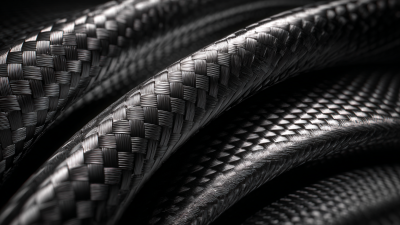
The weave pattern is another important factor. Common patterns include plain weave and twill weave. Each provides unique visual aesthetics and mechanical properties. Plain weave tends to be less flexible but robust, while twill weave is more versatile and has a more appealing appearance. Think about the intended use to determine which pattern fits your needs.
It’s also essential to evaluate the resin type used in the carbon fiber. Epoxy resins are popular for their strength and adhesion, while polyester resins are more cost-effective. However, they may not offer the same level of durability. Consider your project requirements carefully. Finally, reflect on your budget. Higher-quality options may come with a larger price tag but often deliver better performance in critical applications. This balance between cost and quality is worth careful thought.
What is Carbon Fiber Sheet and How to Choose the Best Option? - Factors to Consider When Choosing Carbon Fiber Sheets
| Property |
Details |
| Material Composition |
Carbon fiber reinforced polymer (CFRP) |
| Thickness Options |
0.5 mm to 10 mm |
| Standard Sizes |
2000 x 1000 mm, 3000 x 1500 mm |
| Weight |
1.5 - 2.0 g/cm³ |
| Tensile Strength |
4000 - 6000 MPa |
| Flexural Modulus |
70 - 250 GPa |
| Thermal Conductivity |
10 - 50 W/mK |
| Applications |
Aerospace, automotive, sports equipment, marine |
| Cost Range |
$15 - $100 per sheet |
| Choosing Factors |
Thickness, weight, application, cost, and supplier reputation |
Comparing Different Types of Carbon Fiber Sheets
When comparing different types of carbon fiber sheets, it’s crucial to evaluate their properties and applications. Carbon fiber sheets come in various grades, each tailored for distinct needs. High-modulus carbon fiber is ideal for aerospace applications due to its superior strength-to-weight ratio. Data from industry reports show that this material can have tensile strengths exceeding 600 MPa. However, it is often more expensive.
On the other hand, standard carbon fiber sheets are suitable for automotive and sporting goods. They typically offer a good balance of strength and cost. The average tensile strength for these sheets ranges from 300 to 450 MPa. Users should consider the specific requirements of their projects. For example, if weight reduction is critical, lightweight options should be prioritized.
End-users sometimes overlook the importance of resin types that bind the fibers. Epoxy resins provide greater durability but can be more challenging to work with. Alternatively, vinyl ester offers easier handling. Each resin type affects the sheet's performance and longevity. Selecting the right combination of fiber and resin can significantly impact the final application. The decision-making process requires careful evaluation to avoid common pitfalls. Many users regret not conducting more thorough research before finalizing their choices.