Top Uses of Carbon Fiber Square Rod in 2025 for Lightweight Strength and Durability
The usage of Carbon Fiber Square Rods has been steadily gaining traction across various industries due to their remarkable lightweight strength and durability. According to a recent report by the Global Carbon Fiber Market Analysis, the industry is expected to reach a valuation of over $35 billion by 2025, driven by innovations in composite materials and increasing applications in aerospace, automotive, and industrial sectors. This growth can be attributed to the superior mechanical properties of carbon fiber, which include a strength-to-weight ratio significantly higher than that of traditional materials such as steel and aluminum.
In 2025, Carbon Fiber Square Rods are poised to play a critical role in enhancing the performance of end products. Their resistance to corrosion and fatigue makes them an ideal choice for applications that demand both resilience and longevity. Industries like sporting goods, where weight reduction can substantially affect performance, and manufacturing sectors looking for efficient material solutions will increasingly adopt carbon fiber square rods. This adoption aligns with sustainability initiatives, as carbon fiber preforms can lead to reductions in overall material usage, contributing to more eco-friendly manufacturing practices.
As the demand for advanced materials continues to rise, understanding the top uses of Carbon Fiber Square Rods will become essential for manufacturers aiming for competitiveness in high-performance markets. By harnessing the benefits of carbon fiber technology, industries can not only improve their product offerings but also meet the growing consumer expectations for lightweight, durable, and sustainable solutions.

Applications of Carbon Fiber Square Rod in Aerospace Engineering
The application of carbon fiber square rods in aerospace engineering has gained significant traction due to their unique combination of lightweight properties and exceptional strength. As the aerospace industry continually seeks to enhance the efficiency and performance of aircraft, carbon fiber materials offer a transformative solution. These rods are primarily utilized in the structural components of aircraft, where reducing weight is critical for improving fuel efficiency and overall performance. The strength-to-weight ratio of carbon fiber allows for the design of lighter, more aerodynamic structures without compromising safety or durability.
Additionally, carbon fiber square rods play a crucial role in the manufacturing of fuselages, wing designs, and support beams within aircraft. The material's resistance to corrosion and fatigue further enhances its desirability in aerospace applications. Engineers can leverage these rods to create advanced composite materials that withstand the extreme conditions of flight, including variable temperatures and high pressure. As innovation in aerospace engineering continues to accelerate, the use of carbon fiber square rods will likely expand, facilitating the development of next-generation aircraft that meet evolving environmental and performance standards while ensuring passenger safety.
Top Uses of Carbon Fiber Square Rod in 2025 for Lightweight Strength and Durability - Applications of Carbon Fiber Square Rod in Aerospace Engineering
| Application |
Description |
Benefits |
Expected Market Growth (%) |
| Airframe Structures |
Integration of carbon fiber rods in wings and fuselage for enhanced strength-to-weight ratios. |
Reduces overall aircraft weight, increases fuel efficiency. |
15% |
| Landing Gear Components |
Use in struts and supports to enhance performance under stress. |
Increased durability and reduced maintenance costs. |
12% |
| Propeller and Rotor Blades |
Incorporated in the design of propeller blades for helicopters and drones. |
Improved aerodynamic efficiency and reduced vibration. |
18% |
| Control Surfaces |
Use in ailerons and elevators to enhance maneuverability. |
Weight reduction leads to enhanced control dynamics. |
10% |
| Interior Components |
Application in cabin furnishings and structural components. |
Enhanced aesthetics with reduced weight and improved safety. |
14% |
Utilization of Carbon Fiber Square Rod in Automotive Industry Innovations
The automotive industry is on the brink of a transformative shift in 2025, with carbon fiber square rods emerging as a key component in vehicle design and manufacturing. These lightweight yet robust materials provide engineers with the ability to create stronger and more efficient vehicles. The reduced weight translates to improved fuel efficiency and performance, while enhancing the overall durability of automotive structures. As manufacturers strive to meet stringent environmental regulations, carbon fiber square rods are set to play a crucial role in reducing vehicle emissions and complying with sustainability goals.
Tips for utilizing carbon fiber square rods in automotive applications include carefully evaluating the specific requirements of each vehicle model. Proper integration of these materials can lead to innovative designs that not only enhance aesthetic appeal but also improve safety features. Engineers are advised to focus on optimizing the bond between carbon fiber rods and other components to ensure maximum strength without compromising flexibility. As collaboration between automotive designers and materials scientists continues to evolve, we can expect exciting innovations that leverage the unique properties of carbon fiber for performance and safety enhancements.
In addition to their lightweight strength, carbon fiber square rods are becoming essential in the realm of electric vehicles. The transition towards electrification requires parts that are both strong and lightweight to offset the weight of batteries. By incorporating these rods into key structural elements, manufacturers can realize significant improvements in range and handling. Thus, their application is not only about replacing traditional materials but redefining how vehicles are constructed for the future.
Role of Carbon Fiber Square Rod in Sports Equipment Manufacturing
In 2025, the utilization of carbon fiber square rods in sports equipment manufacturing is set to revolutionize the industry, providing unparalleled lightweight strength and durability. These rods, known for their remarkable tensile strength, allow manufacturers to create equipment that is not only resilient but also significantly lighter than traditional materials. This weight reduction is crucial in various sports, enhancing athletes' performance and reducing fatigue during competition.
For instance, carbon fiber square rods are increasingly employed in the production of tennis racquets, cycling frames, and fishing rods. Their ability to withstand high stress while maintaining a feather-light form means that athletes can push their limits without being burdened by heavy equipment. As manufacturers seek to innovate and create high-performance gear, carbon fiber stands out as a material of choice, merging functionality with cutting-edge technology.
**Tips:** When selecting sports equipment made with carbon fiber, look for products that highlight the specific advantages of the material, such as impact resistance and stiffness. Additionally, consider your personal performance needs; equipment that aligns with your style of play can significantly impact your overall experience and results. Lastly, remember to check for proper maintenance guidelines to ensure the longevity of your carbon fiber gear in the ever-demanding sports environment.
Advancements in Construction and Infrastructure with Carbon Fiber Square Rod
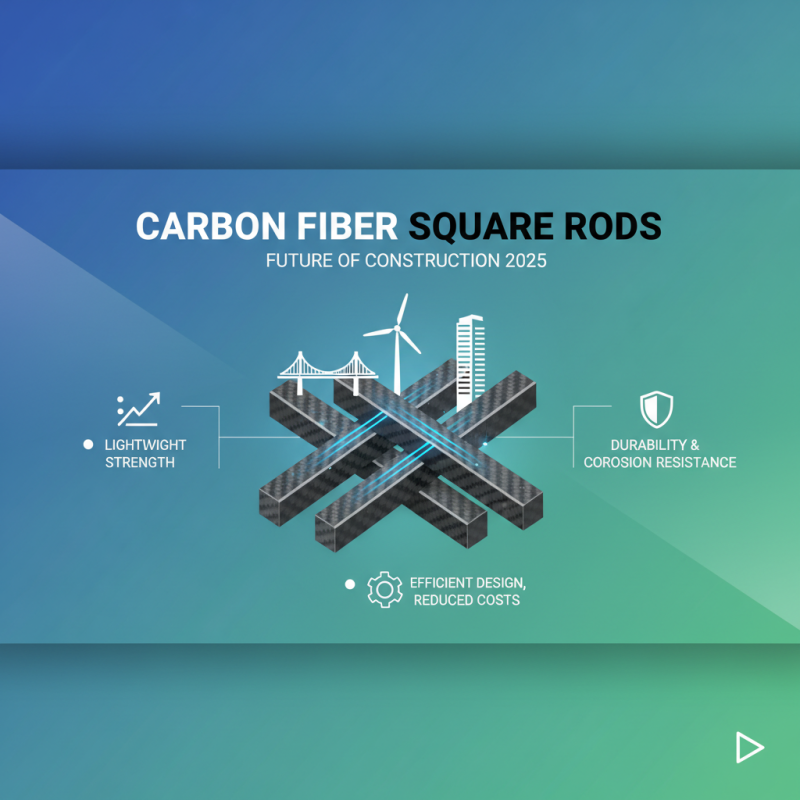
Carbon fiber square rods are poised to revolutionize construction and infrastructure in 2025, offering a unique blend of lightweight strength and exceptional durability. These materials are increasingly utilized in structural applications, where reducing weight while maintaining integrity is crucial. Their high tensile strength and resistance to corrosion make them ideal for reinforcing structures, bridges, and even high-rise buildings. The integration of carbon fiber square rods can lead to more efficient designs and reduced maintenance costs, ultimately benefiting both builders and consumers.
**Tips:** When considering the use of carbon fiber square rods in projects, it’s essential to evaluate the specific application requirements. Lightweight characteristics enhance transport and installation but ensure that load-bearing capacities are adequate for the intended use. Additionally, collaborating with engineers who specialize in composite materials can help optimize design and maximize the benefits of carbon fiber.
Furthermore, advancements in the fabrication technology of carbon fiber square rods are streamlining their incorporation into large-scale projects. Techniques such as automated layup and advanced curing processes are making it easier and more affordable to utilize these materials. As the industry shifts towards greener building solutions, carbon fiber is emerging as a sustainable choice that not only enhances performance but also reduces the environmental impact of construction activities.
**Tips:** Always stay informed about the latest advancements in carbon fiber technologies that could affect production and efficiency. Continuous learning and adaptation will ensure that construction practices leverage the best materials available, leading to innovative and sustainable infrastructure solutions.
Sustainability and Environmental Benefits of Carbon Fiber Square Rod Use
The increasing emphasis on sustainability has made carbon fiber square rods an appealing choice for various applications in 2025. These materials not only offer remarkable lightweight strength and durability but also contribute positively to environmental goals. Reports indicate that carbon fiber recycling processes are advancing, with studies showing that up to 90% of carbon fiber waste can now be repurposed effectively. This innovation significantly reduces landfill contributions and aligns with circular economy principles, allowing industries to minimize their carbon footprints.
Moreover, the production of carbon fibers is increasingly being integrated with eco-friendly methods. Research suggests that bio-based precursors for carbon fiber are gaining traction, providing a renewable alternative to traditional petroleum-derived materials. This shift has the potential to cut greenhouse gas emissions by up to 60%, as noted by recent industry analyses. As sectors such as aerospace and automotive continue to prioritize lightweight materials to enhance fuel efficiency, the ecological advantages realized through carbon fiber square rods will play a crucial role in meeting stringent environmental regulations and achieving long-term sustainability goals.
Top Uses of Carbon Fiber Square Rod in 2025
This chart illustrates the projected uses of carbon fiber square rods across various industries in 2025, showcasing their potential impact due to their lightweight strength and durability.