China Top Carbon Fiber Laminate Sheet Applications in Various Industries?
Carbon Fiber Laminate Sheet has gained significant attention across various industries. These sheets are known for their lightweight nature and high strength. They offer excellent corrosion resistance and thermal stability, making them ideal for demanding applications.
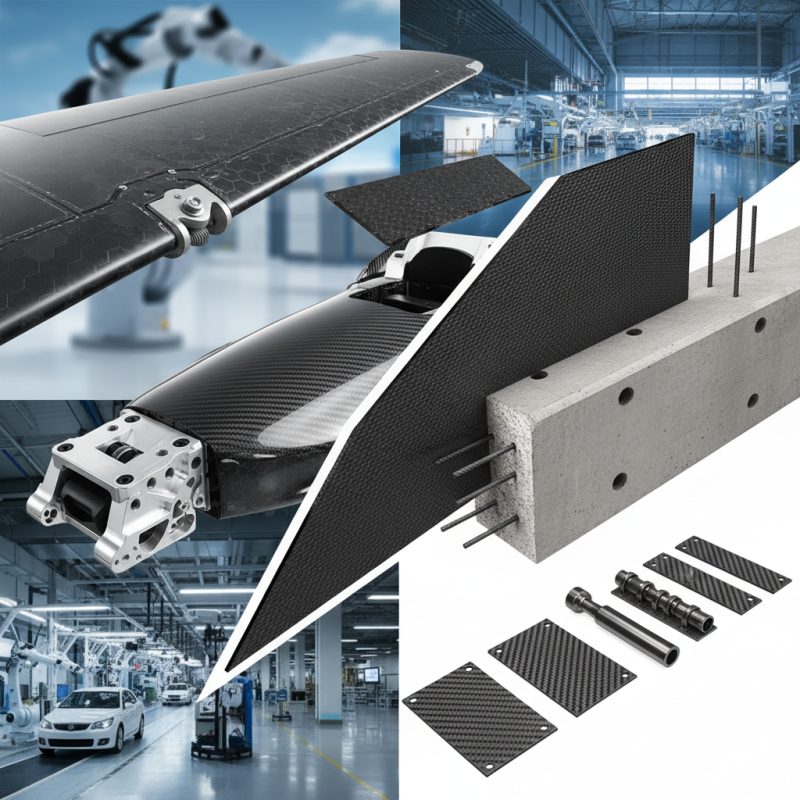
Industries such as aerospace, automotive, and construction utilize Carbon Fiber Laminate Sheet extensively. In aerospace, these sheets help to reduce weight while maintaining structural integrity. The automotive sector benefits from improved fuel efficiency due to lighter materials. Additionally, construction projects use them for their durability and resistance to environmental factors.
Despite their advantages, some challenges remain. The manufacturing process can be costly and requires precise techniques. Not all applications may justify the higher investment. As industries continue to innovate, the use of Carbon Fiber Laminate Sheet is expected to evolve. Companies must weigh the benefits against the costs to find the best solutions for their specific needs.
Applications of Carbon Fiber Laminate Sheets in Aerospace Industry
Carbon fiber laminate sheets play a vital role in the aerospace industry. Their lightweight nature and excellent strength make them perfect for aircraft components. These sheets help reduce weight, which leads to lower fuel consumption and increased efficiency. Engineers often incorporate carbon fiber in wings, fuselage, and control surfaces.
When designing aircraft, the durability of materials is critical. Carbon fiber laminate sheets resist extreme temperatures and harsh environments. They also exhibit high stiffness, which is essential for maintaining structural integrity. Some challenges include the cost and complexity of manufacturing these sheets. However, advancements in technology help address these issues.
Tips: Consider weight reduction as a crucial factor in aerospace design. Using lightweight materials can significantly enhance performance. Remember that while carbon fiber offers many benefits, it also requires careful handling during installation and maintenance. Always adhere to safety guidelines and industry standards when working with advanced materials.
Carbon Fiber Laminate in Automotive Manufacturing: Enhancing Performance
Carbon fiber laminate has revolutionized automotive manufacturing. This material combines strength and lightness, making it ideal for modern vehicles. Its unique properties contribute to improved fuel efficiency and enhanced performance. Manufacturers seek ways to reduce weight without compromising safety. Carbon fiber laminate meets this demand.
In addition to performance, aesthetics play a role in automotive design. Carbon fiber offers a sleek, modern appearance that attracts consumers. However, working with this material can be challenging. The production process requires precision and expertise. Improper handling can lead to flaws, weakening the final product.
Cost is another consideration. While carbon fiber laminate offers benefits, its price can be prohibitive for some manufacturers. This raises questions about the balance between costs and performance. The industry must continually evaluate the best methods to integrate this material. As demands evolve, finding solutions that optimize both factors will be key.
Impact of Carbon Fiber Laminate Sheets on Sports Equipment Design
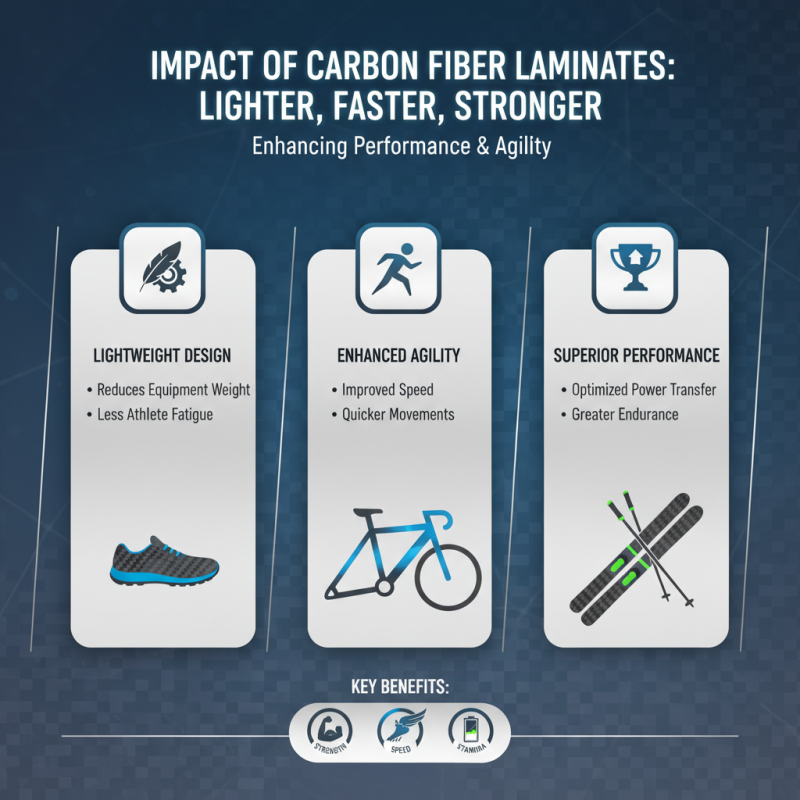
Carbon fiber laminate sheets have significantly impacted sports equipment design. Their lightweight nature is beneficial for athletes. These sheets reduce the overall weight of gear, allowing for better performance. For instance, cycling, running, and skiing equipment designed with these materials offers enhanced agility. Athletes experience less fatigue during competitions.
Integrating carbon fiber in sports gear enhances durability. The sheets resist damage from impacts, increasing the lifespan of equipment. This durability is crucial in high-stakes sports. Athletes can focus on performance, knowing their gear can withstand rigors. However, not all designs maximize these benefits efficiently. Some products still fall short in balancing weight and strength.
Tips: Choose gear that highlights carbon fiber benefits. Look for well-tested designs that showcase durability and lightweight features. Research materials used in your equipment thoroughly. Also, pay attention to how these choices might affect performance in your specific sport. Make informed decisions to optimize your athletic experience.
Role of Carbon Fiber Laminate in Defense and Military Applications
Carbon fiber laminate is emerging as a vital material in defense and military applications. Its high strength-to-weight ratio makes it ideal for reducing the overall weight of military vehicles and aircraft. According to a comprehensive report by the Global Carbon Fiber Market, the demand for carbon fiber in military applications is expected to grow by 6% annually over the next five years.
In vehicles, carbon fiber laminate is used to enhance armor capabilities without adding excessive weight. This means faster projectiles can be utilized, improving maneuverability and speed. Moreover, the laminate's durability allows it to withstand extreme conditions, ensuring reliability in critical situations. Data from the Aerospace Industries Association shows that incorporating carbon fiber can reduce fuel consumption by up to 20% for military aircraft, offering both economic and tactical advantages.
While the benefits are evident, challenges remain. The cost of carbon fiber production is relatively high, limiting its use in some applications. Additionally, the recycling process for carbon fiber is still developing, raising sustainability questions. Military sectors must navigate these hurdles while maximizing performance benefits. As the industry evolves, the balance between cost and functionality will be pivotal for broader adoption.
Emergence of Carbon Fiber Laminate Sheets in Renewable Energy Sector
The emergence of carbon fiber laminate sheets is reshaping the renewable energy sector. These sheets are lightweight yet robust, making them ideal for various applications. According to a report by Research and Markets, the global carbon fiber market will exceed $6.9 billion by 2027. This growth indicates rising interest in sustainable materials.
One significant application is in wind turbine blades. Carbon fiber laminates enhance strength while reducing weight. This leads to more efficient energy production. A study by the National Renewable Energy Laboratory suggests that using lighter materials can increase turbine efficiency by 10%. This efficiency boost is crucial in optimizing energy output.
In solar energy, these laminates are used in panel frames. Their resistance to extreme weather conditions ensures longevity. However, the recycling of carbon fiber materials remains a challenge. Currently, only a small percentage is reused or repurposed. This gap presents opportunities for innovation in waste management. By addressing these issues, we can enhance the sustainability of renewable energy technologies.