Why Choose Carbon Fiber Composites for Your Next Project?
In the rapidly evolving world of engineering and design, Carbon Fiber Composites stand out as a revolutionary material. Experts like Dr. Emily Roberts, a renowned materials scientist, emphasize their potential, saying, "Carbon Fiber Composites transform ideas into reality with unmatched strength and lightness." This statement captures the essence of why these materials have gained popularity across various industries.
The unique properties of Carbon Fiber Composites, such as their high stiffness and low weight, make them ideal for numerous applications. From aerospace to automotive, the demand for efficient and robust materials is high. However, while these composites promise many benefits, some challenges must be addressed. Their production process can be complex and costly, often leading to concerns about accessibility for smaller projects or companies.
As industries consider using Carbon Fiber Composites, it's crucial to weigh the advantages against potential setbacks. Making informed decisions today can lead to innovative and sustainable projects tomorrow. Despite some hesitations, the future of Carbon Fiber Composites is bright. The ongoing advancements in technology will likely overcome current limitations, making them more accessible and versatile in the near future.
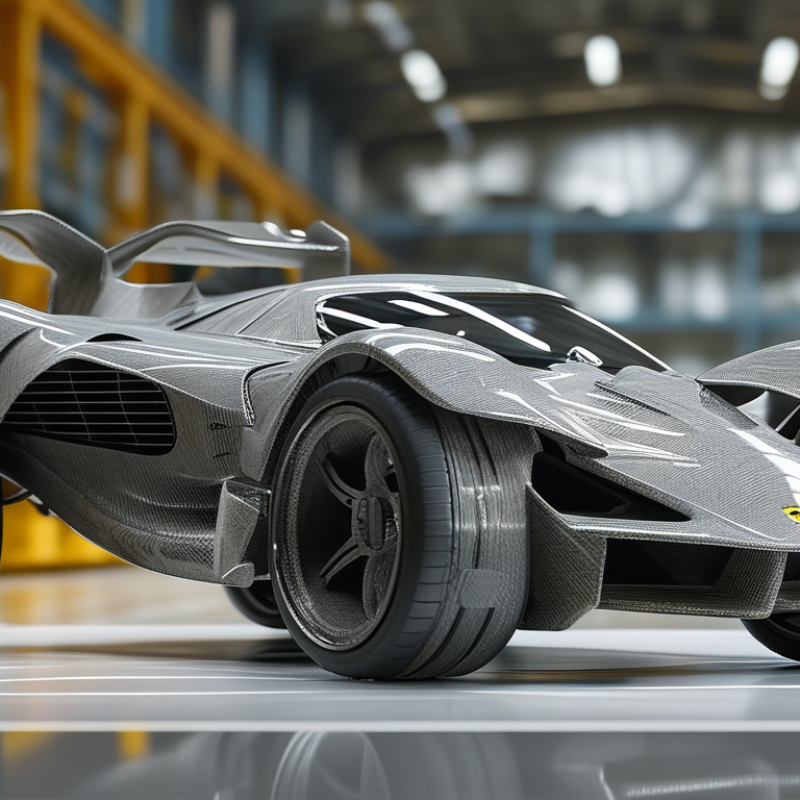
Understanding Carbon Fiber Composites: Properties and Advantages
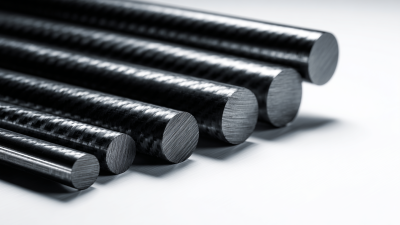
Carbon fiber composites are increasingly popular in many industries due to their remarkable properties. These materials are lightweight yet extremely strong. This combination leads to enhanced performance in applications ranging from aerospace to automotive engineering. The unique fiber structure gives these composites a high strength-to-weight ratio, significantly reducing overall project weight while maintaining durability.
Another notable advantage of carbon fiber composites is their resistance to corrosion and fatigue. Unlike traditional materials, they do not rust or suffer from wear over time. This makes them ideal for products that encounter harsh environments. Engineers appreciate the flexibility in design these materials offer, though it can be daunting. The manufacturing process requires careful consideration to achieve optimal performance. Mistakes in layering or curing can diminish the composite's integrity.
Despite the advantages, challenges remain. Cost is often a determining factor. Additionally, working with carbon fiber requires specialized knowledge and tools. Many teams need further training to handle these materials effectively. It's essential to weigh the benefits against potential learning curves and expenses. Making an informed choice involves careful planning and expert insight, reflecting on whether carbon fiber composites will deliver the desired results for your project.
Applications of Carbon Fiber Composites in Various Industries
Carbon fiber composites have gained traction across various industries due to their exceptional strength-to-weight ratio. In aerospace, they help reduce fuel consumption while enhancing the structural integrity of aircraft. This material is also popular in automotive manufacturing, where it contributes to lighter vehicles that offer improved performance and speed. The sports industry has embraced carbon fiber for equipment like bicycles and tennis rackets, leading to superior durability and efficiency.
In the construction industry, carbon fiber composites are increasingly used for structural reinforcements. Bridges and buildings benefit from their resistance to environmental factors, ensuring longevity. They are also utilized in marine applications, providing lightweight solutions that enhance vessel performance and fuel efficiency. As industries continue to innovate, the potential for carbon fiber composites appears boundless.
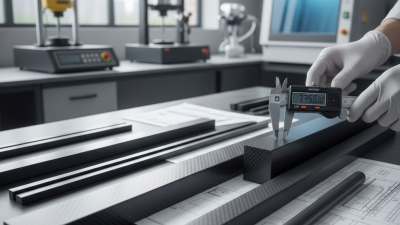
When considering carbon fiber for your project, think critically about your specific needs. Evaluate whether the benefits truly outweigh the costs. Specialized knowledge is key to making informed decisions. Properly assess product specifications to ensure they meet your project requirements. Engage with experts to gather insights that can guide your application. Relying solely on metrics may overlook unique challenges you might encounter.
Applications of Carbon Fiber Composites in Various Industries
Cost-Benefit Analysis of Using Carbon Fiber Composites
When considering carbon fiber composites for your project, a cost-benefit analysis reveals key insights. Carbon fiber is lightweight yet incredibly strong. This strength leads to reduced material use and potential cost savings in shipping and handling. A lighter product can lead to increased efficiency, especially in industries like aerospace and automotive. However, initial costs for carbon fiber components can be high. This can deter some businesses from making the switch, as they may focus solely on short-term expenses.
On the flip side, the longevity of carbon fiber composites adds value. Their resistance to corrosion and fatigue means that they can outlast traditional materials. This durability reduces maintenance costs over time. However, not all projects benefit equally from carbon fiber. For some applications, the performance gains may not justify the investment. Evaluating the specific needs of your project is essential. Not every project will reach the break-even point quickly, which requires careful consideration.
Ultimately, a thorough analysis must weigh both immediate costs and long-term savings. Decisions should be informed by the intended use of the composite. Understanding the unique advantages and limitations can guide a more effective choice.
Why Choose Carbon Fiber Composites for Your Next Project? - Cost-Benefit Analysis of Using Carbon Fiber Composites
| Aspect |
Carbon Fiber Composites |
Aluminum |
Steel |
| Weight |
50% lighter |
Moderate |
Heavier |
| Tensile Strength |
High |
Moderate |
High |
| Cost (per kg) |
$30-$50 |
$3-$5 |
$2-$4 |
| Corrosion Resistance |
Excellent |
Moderate |
Poor |
| Fatigue Resistance |
High |
Moderate |
Low |
| Applications |
Aerospace, Automotive, Sports Equipment |
Construction, Transportation |
Infrastructure, Heavy Machinery |
Environmental Impact and Sustainability of Carbon Fiber Composites
Carbon fiber composites are gaining attention for their environmental benefits. These materials are lightweight and strong, making them ideal for reducing energy consumption in various applications. According to research from the Department of Energy, using carbon fiber in automotive manufacturing can reduce vehicle weight by up to 50%. This reduction leads to improved fuel efficiency and lower carbon emissions.
However, the production process of carbon fiber has its environmental challenges. It typically requires high energy inputs, mostly from fossil fuels, which could offset some sustainability benefits. A study published in the Journal of Cleaner Production highlights that the carbon footprint of carbon fiber production can range from 3 to 6 kg of CO2 per kg of fiber produced. This is a vital consideration for companies aiming for sustainable practices.
Innovations in recycling processes are underway. Researchers are exploring methods to reclaim fibers from used composites, reducing waste and lowering the demand for new raw materials. While these advancements are promising, the recycling of carbon fiber remains in its infancy. Continuous improvement is necessary to ensure that the full cycle is as sustainable as intended. The potential for carbon fiber composites is significant, but the path toward achieving true sustainability requires ongoing effort and transparency in production methods.
Future Trends in Carbon Fiber Composite Technology and Innovation
Carbon fiber composites are transforming various industries. Recent studies predict that the carbon fiber market will reach $33 billion by 2025. This growth is driven by advancements in manufacturing processes and applications in automotive, aerospace, and sporting goods. Innovations like 3D printing with carbon fiber are simplifying production and reducing waste. With lightweight properties, these composites are essential for improving fuel efficiency and performance.
The future of carbon fiber technology holds exciting possibilities. Researchers are exploring biocomposite options that integrate renewable resources. These materials can reduce environmental impact while retaining the unique properties of carbon fiber. Additionally, the development of hybrid composites that combine carbon fiber with other materials is on the rise. Such innovations promise enhanced performance and versatility across applications.
Delving deeper into the practical side, consider your project's specific needs. Are you aiming for lightweight strength or cost efficiency? Understanding the materials' limitations is vital. Some carbon fiber composites can be expensive and may not justify their use in every project. Assessing the long-term benefits versus immediate costs is crucial for making informed decisions.