Why Choose Pultrusion Carbon Fiber Bar for Your Projects?
When selecting materials for projects, one often faces a myriad of choices. Among these, the Pultrusion Carbon Fiber Bar stands out for its unique attributes. This material combines strength and lightweight properties, making it an ideal solution for various applications. Engineers and designers appreciate its ability to withstand harsh environmental conditions without sacrificing performance.
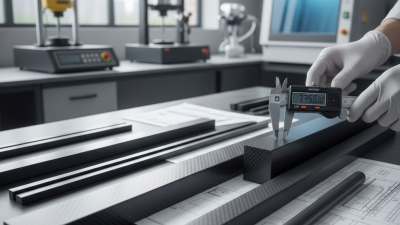
The Pultrusion Carbon Fiber Bar is produced through a meticulous manufacturing process, ensuring consistency and quality. This process involves pulling carbon fiber strands through a resin, resulting in a solid, durable product. Users often report enhanced project efficiency and reduced material fatigue over time. However, it’s essential to consider the initial investment costs and complexity in some fabrication processes.
In practice, this bar offers both reliability and versatility. It can be utilized in aerospace, automotive, and construction industries. Yet, selecting the right type for specific applications can be challenging. Users must weigh factors such as load requirements, corrosion resistance, and budget constraints. Ultimately, understanding these elements can lead to informed decisions and successful project outcomes.
Benefits of Pultrusion Carbon Fiber Bars in Engineering Applications
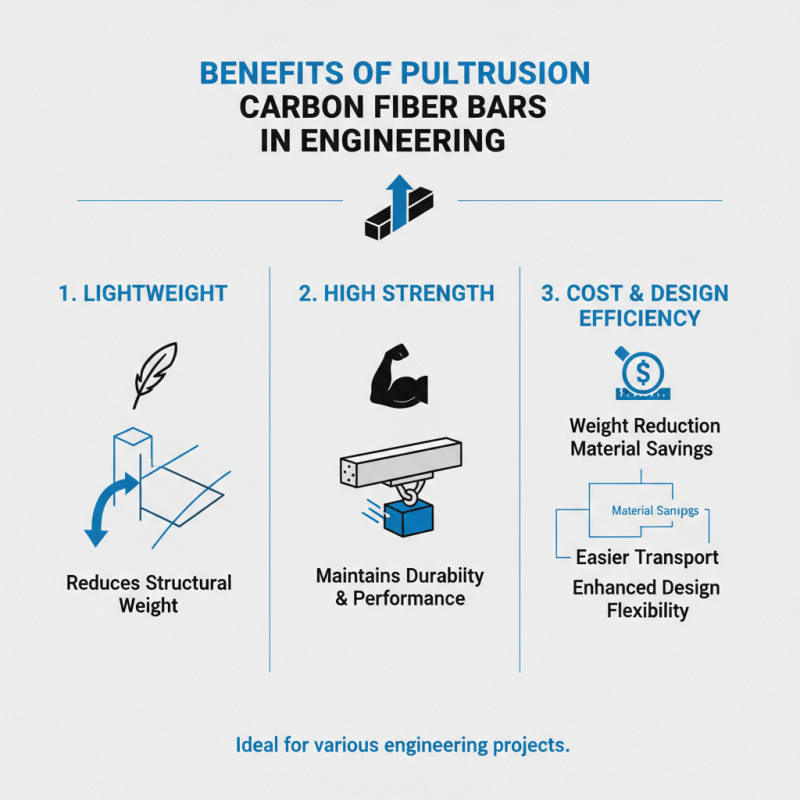
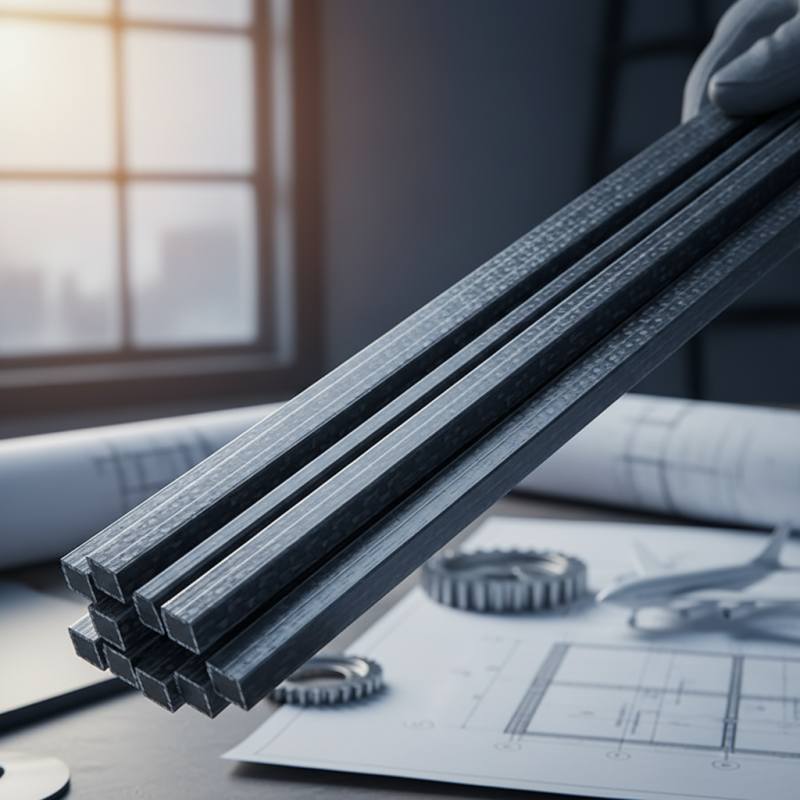
Pultrusion carbon fiber bars offer numerous advantages in engineering applications. Their lightweight nature greatly reduces the overall weight of structures while maintaining high strength. This feature enhances the design flexibility for architects and engineers. In many projects, reducing weight can lead to significant savings in material costs and transportation.
Moreover, these bars exhibit excellent corrosion resistance. Unlike metals, which may oxidize over time, carbon fiber remains stable in harsh environments. This durability extends the lifespan of structures. Engineers facing demanding conditions often find pultrusion carbon fiber bars a reliable choice.
However, the initial cost of carbon fiber might be a concern for some projects. While the long-term benefits are clear, budget constraints can pose challenges. Evaluating the life cycle costs is essential. Balancing initial expenses and future savings requires careful consideration. Yet, with the potential for reduced maintenance and longer service life, pultruded carbon fiber bars can ultimately deliver value.
Comparative Analysis of Weight and Strength in Pultruded Materials
Pultrusion carbon fiber bars offer a unique combination of lightweight and high strength. This makes them a top choice for various projects. When comparing pultruded materials, weight and strength play crucial roles. Carbon fiber is lighter than steel, which reduces overall project weight. However, its strength-to-weight ratio is remarkably higher, allowing for more efficient designs.
In practice, using lighter components can lead to cost savings in transportation and installation. Projects can benefit from quicker assembly due to the ease of handling. Engineers often find that they can work with narrower support structures, making space for innovative design solutions. Yet, it's important to consider the specific load requirements of each project.
**Tips:** Ensure your design accounts for potential stress points. Evaluate the environmental conditions your materials will face. Conduct thorough testing before finalizing your project. Also, reflect on any previous projects where weight and strength were issues. This will aid in making informed decisions moving forward. Staying mindful of these factors can enhance your project’s success.
Comparative Analysis of Weight and Strength in Pultruded Materials
Cost-Effectiveness of Pultruded Carbon Fiber Over Conventional Alternatives
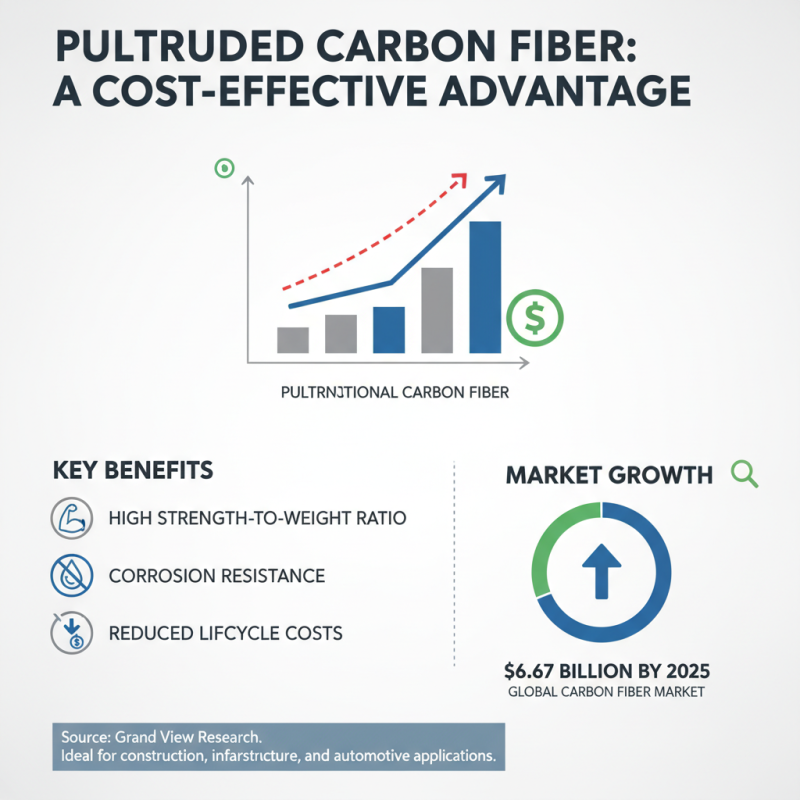
Pultruded carbon fiber bars offer a cost-effective alternative to traditional materials like steel and fiberglass. According to a market analysis by Grand View Research, the global carbon fiber market is expected to reach $6.67 billion by 2025, showing a strong demand. This growing interest is due to the unique properties of carbon fiber, including its high strength-to-weight ratio and corrosion resistance.
When evaluating project budgets, pultruded carbon fiber shines in terms of long-term savings. While the upfront cost may be higher than metal options, the lifecycle costs can be significantly lower. For instance, carbon fiber components require less maintenance and have an extended lifespan. A study by the American Composites Manufacturers Association highlighted that composites can reduce overall project costs by up to 50% when considering maintenance and replacement costs over time.
However, some challenges exist. The manufacturing process can be complex, making it less accessible for smaller projects. Additionally, optimizing designs for weight reduction can require skilled engineers. These aspects warrant careful consideration to fully leverage the benefits of pultruded carbon fiber. Balancing initial expenses with long-term advantages is crucial for project success.
Environmental Impact of Pultrusion Process and Material Sustainability
The pultrusion process offers significant advantages in terms of environmental sustainability. This method produces carbon fiber bars with minimal waste. It utilizes continuous fibers, allowing for efficient material usage. This contrasts with traditional manufacturing, which often results in excess scrap. Pultrusion's efficiency can lead to reduced carbon emissions, making it an environmentally friendly choice.
The materials used in pultrusion contribute to its sustainability. Carbon fiber itself is lightweight yet strong, which improves energy efficiency in applications. However, the production process raises concerns. The energy required for manufacturing carbon fiber can be substantial. While pultrusion minimizes waste, producers must address energy consumption. Finding a balance is essential for true sustainability.
Adopting pultrusion can enhance the life cycle of products. The durability of carbon fiber reduces the frequency of replacements. This longevity can lead to a lower overall environmental impact. Nonetheless, it’s important to consider material recycling challenges. As the industry evolves, developing effective recycling methods is critical. Striving for a sustainable solution means constantly reassessing each stage of the process.
Common Applications and Innovations Utilizing Carbon Fiber Bars in Industry
Carbon fiber bars have revolutionized various industries thanks to their exceptional strength-to-weight ratio. Construction, automotive, and aerospace sectors utilize these materials for structural components. According to a report by Markets and Markets, the global carbon fiber market will grow significantly, projected to reach USD 5.2 billion by 2026. This growth demonstrates the rising interest in innovative solutions.
In construction, carbon fiber bars offer advantages such as increased durability and reduced maintenance costs. They are commonly used in retrofitting existing buildings, enhancing their lifespan without adding significant weight. In the automotive industry, these bars contribute to weight reduction, improving fuel efficiency and performance. Many sports cars now incorporate carbon fiber components, showcasing their potential for high-performance applications.
Tip: Consider using carbon fiber bars in projects where weight and strength are critical factors.
Emerging applications of carbon fiber bars include renewable energy sectors. Wind turbines and solar panel supports benefit from their resilience and longevity. Innovations in production, such as pultrusion, allow for tailored solutions to meet specific project needs. However, challenges in cost and manufacturing complexity remain points for consideration.
Tip: Evaluate the cost-effectiveness of carbon fiber bars based on your project’s duration and demands.
Why Choose Pultrusion Carbon Fiber Bar for Your Projects? - Common Applications and Innovations Utilizing Carbon Fiber Bars in Industry
| Application |
Industry |
Benefits |
Recent Innovations |
| Aerospace Components |
Aerospace |
High strength-to-weight ratio, corrosion resistance |
Enhanced manufacturing techniques for complex geometries |
| Sports Equipment |
Sports |
Improved performance, lightweight |
3D printing integration for custom designs |
| Construction Reinforcements |
Construction |
Durability, reduced maintenance costs |
Developments in fire-resistance properties |
| Automotive Parts |
Automotive |
Weight reduction, fuel efficiency improvements |
Bio-based resin integration for sustainability |
| Marine Applications |
Marine |
Resistance to water and chemicals, lightweight |
Advancements in UV stabilization |