Top Tips for Choosing Carbon Fiber Mesh Fabric for Your Projects?
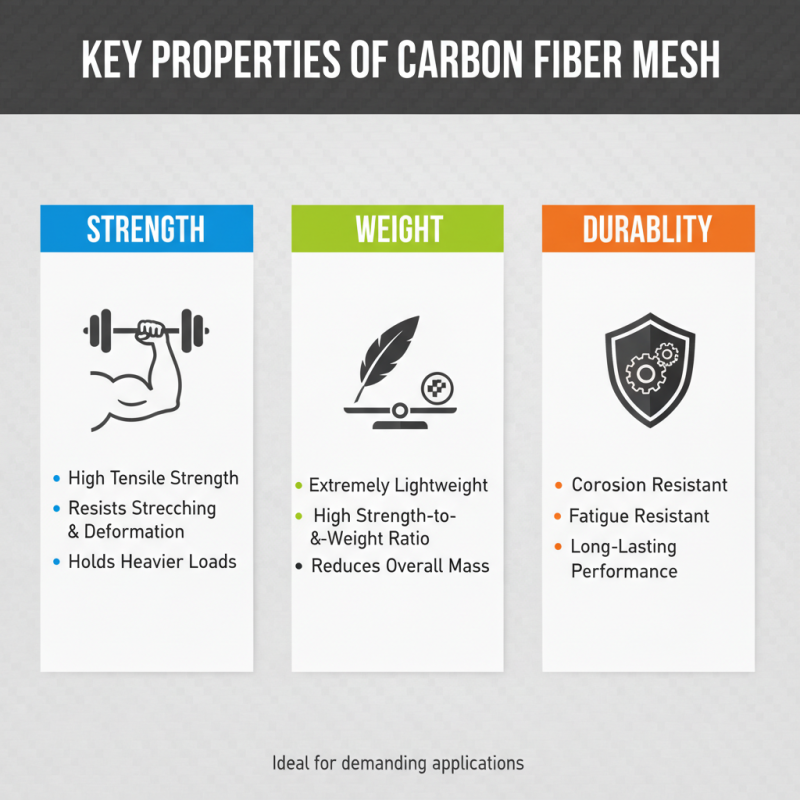
When embarking on a project that requires Carbon Fiber Mesh Fabric, making an informed choice is crucial. This versatile material offers high strength and lightweight properties. However, selecting the right type can be overwhelming. The market is flooded with options, each boasting different features. Understanding the specific requirements of your project helps narrow down these choices.
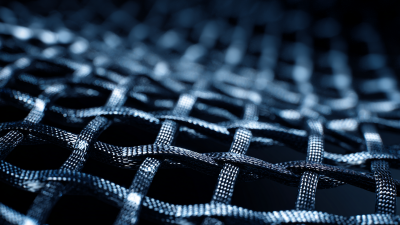
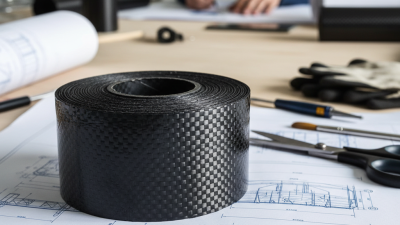
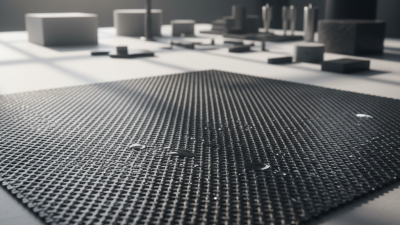
Carbon Fiber Mesh Fabric varies in thickness, weave pattern, and resin compatibility. Each attribute affects durability and application suitability. For instance, a tightly woven fabric can provide greater strength. Yet, it may also be less flexible. Balancing these factors requires thoughtful consideration. Mistakes in selection could hinder project performance. Evaluating samples and seeking expert advice reveals a pathway toward the best choice.
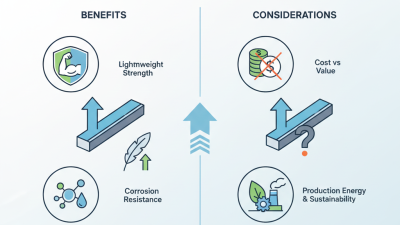
Price is often a reflection of quality in Carbon Fiber Mesh Fabric. However, the cheapest option might not meet your needs. Investing in high-quality fabrics could prevent future issues. Always check for certifications and recommendations. Trustworthy sources ensure the reliability of your material. Your project deserves careful planning and execution. Taking the time to choose wisely ensures lasting results.
Understanding Carbon Fiber Mesh Fabric and Its Applications
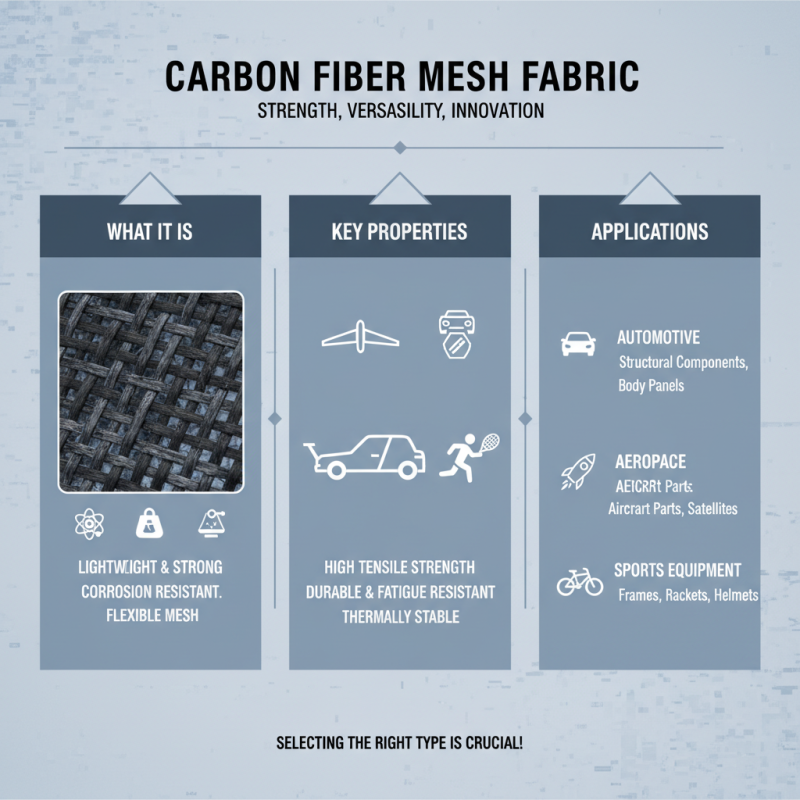
Carbon fiber mesh fabric is a versatile material widely used in various industries. Its lightweight yet strong characteristics make it ideal for applications in automotive, aerospace, and sports equipment. Understanding these properties is crucial when selecting the right type.
When choosing carbon fiber mesh, consider the weave pattern. A tighter weave often provides enhanced strength and durability. Meanwhile, the weight of the fabric influences its application. Heavier fabrics may be better for structural components, while lighter options are suited for areas demanding flexibility.
Tip: Evaluate your project needs carefully. Assess whether you require high tensile strength or flexibility. Sometimes, compromise is necessary, as certain projects may demand a balance between weight and strength. Always consult product specifications to ensure compatibility with your intended use, as not all carbon fiber meshes are created equal. It's also beneficial to work with trusted suppliers that offer detailed technical support.
Key Properties of Carbon Fiber Mesh: Strength, Weight, and Durability
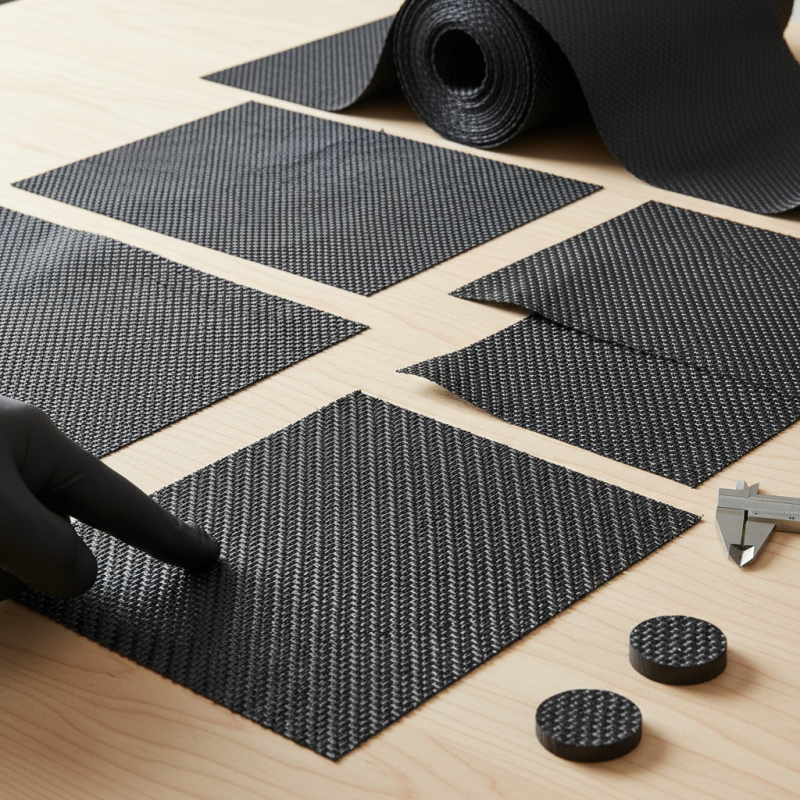
When selecting carbon fiber mesh fabric for your projects, understanding its key properties is crucial. The strength of carbon fiber mesh is one of its standout features. This material offers high tensile strength, making it ideal for applications that require resistance to stretching and deformation. It can easily hold heavier loads compared to traditional fabrics.
Weight is another important consideration. Carbon fiber mesh is lightweight, which can lead to significant benefits in performance and usability. For instance, using lighter materials reduces the overall weight of structures. This is especially beneficial in aerospace applications or automotive designs, where every ounce counts.
Durability is essential for any project. Carbon fiber mesh is resistant to environmental factors like moisture and chemicals, making it long-lasting. However, one must also reflect on potential limitations. The brittleness of carbon fiber can be a drawback. If improperly handled, it may crack under excessive stress. Balancing these properties is vital for achieving optimal results.
Factors to Consider When Selecting Carbon Fiber Mesh for Specific Uses
When selecting carbon fiber mesh fabric, consider the specific requirements of your project. The weight and weave of the fabric can significantly influence its performance. A lighter mesh may be suitable for applications requiring flexibility, while a denser weave offers enhanced strength. Understanding these characteristics is essential for achieving optimal results.
It's also important to assess the intended environment for your project. For outdoor uses, ensure that the mesh is UV resistant and suitable for varying weather conditions. Indoor applications might prioritize aesthetics and ease of handling. Always think about these factors carefully; overlooking them may lead to subpar results.
Choosing the right type of resin is another critical tip. Different resins interact uniquely with carbon fiber. Consider your specific use case when selecting a resin. Misalignment could result in issues like delamination. Investing time in research here can save headaches down the line. Pay attention to the combination of materials. Testing samples before finalizing your decision is a wise move.
Top Tips for Choosing Carbon Fiber Mesh Fabric for Your Projects
| Factor |
Description |
Importance Level |
| Weight |
Consider the weight of the fabric for ease of handling and performance. |
High |
| Weave Type |
Different weaves provide varying levels of flexibility and strength. |
Medium |
| Resin Compatibility |
Ensure the mesh is compatible with the resin used in your project. |
High |
| Thickness |
Thickness impacts strength, weight, and durability of the finished part. |
High |
| Cost |
Consider your budget while balancing quality and performance. |
Medium |
| Application |
Different applications require different mesh characteristics. |
High |
Industry Standards and Certifications for Carbon Fiber Materials
When selecting carbon fiber mesh fabric for your projects, understanding industry standards and certifications is crucial. Various organizations set guidelines for carbon fiber materials. These certifications ensure the material's quality and safety for specific applications. Look for documents like
ISO certifications and
ASTM standards as these provide a reliable benchmark.
It’s essential to note that not all carbon fiber products are created equal. Some manufacturers might not comply with these standards, thus risking structural integrity. Always verify if the supplier can provide proof of compliance with recognized standards. This step can save you from potential quality issues later on.
Additionally, the certification process can be complex. Some suppliers might face challenges in meeting all requirements. This variability can lead to confusion about what is truly safe and effective for your use case.
Trustworthy suppliers will be transparent about their certification processes and willing to share details. Seeking out companies that prioritize compliance shows a commitment to quality—an essential factor when working with such advanced materials.
Comparative Analysis: Carbon Fiber Mesh vs. Other Composite Fabrics
When comparing
carbon fiber mesh
with other composite fabrics, several factors come into play.
Carbon fiber mesh exhibits superior tensile strength, making it ideal for high-performance applications.
According to a recent report from the
Composites Industry Association,
carbon fiber meshes can withstand up to
600 MPa
of tensile stress. In contrast, aramid and glass fibers show tensile strengths of
400 MPa
and
200 MPa, respectively. This makes carbon fiber more suitable
for demanding projects.
Weight is another critical consideration.
Carbon fiber mesh
is lightweight, allowing for easy handling and application. Reports indicate that carbon fiber fabrics can be up to
50% lighter
than glass fiber alternatives. This characteristic is crucial in aerospace and automotive industries, where
weight reduction leads to improved fuel efficiency. However, carbon fiber is generally more expensive than other materials, which can impact budget decisions.
Flexibility and impact resistance are also vital attributes. While carbon fiber meshes are strong, they can be less forgiving under certain conditions. The brittleness may lead to cracking if not properly managed. In contrast, other composite fabrics, like aramid, provide better impact resistance. Understanding these nuances is key when selecting the appropriate fabric for specific project needs. Balancing performance and cost depends on the project requirements and the environment in which the finished product will be used.