Why Choose Carbon Fiber Webbing for Your Projects?
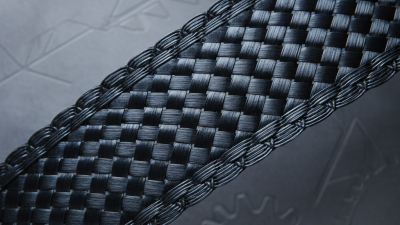
Carbon Fiber Webbing has gained significant popularity in various industries due to its unique properties. According to a market analysis by Grand View Research, the global carbon fiber market is projected to reach $3.78 billion by 2025. This surge indicates a growing demand for lightweight yet strong materials. Leading industry expert Dr. Emily Kingston states, "Carbon Fiber Webbing offers unmatched strength-to-weight ratios, making it a game-changer for innovative projects."
The versatility of Carbon Fiber Webbing spans from aerospace to automotive applications. Its application in high-stress environments showcases its durability. Yet, choosing Carbon Fiber Webbing comes with challenges. The cost can be a barrier for some projects. Additionally, not all manufacturers meet quality standards. It's vital to select trusted sources to ensure reliability.
Ultimately, embracing Carbon Fiber Webbing can enhance project outcomes significantly. However, it is essential to weigh its benefits against the potential risks. Finding a balance is crucial for successful implementations. This material truly represents the future of advanced engineering, but it requires careful consideration and expertise.
Benefits of Carbon Fiber Webbing in Various Industries
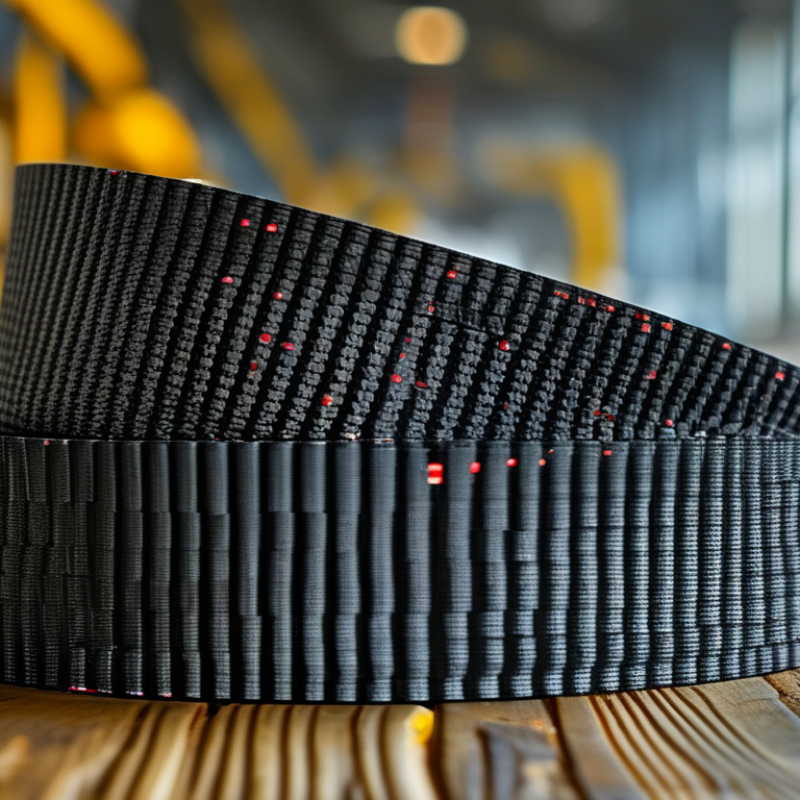
Carbon fiber webbing is gaining traction across various industries due to its unique properties. Lightweight and strong, it boasts a tensile strength of over 500,000 psi. This makes it ideal for applications where weight savings are crucial, such as in automotive and aerospace sectors. A report from the American Composites Manufacturers Association highlighted that carbon fiber components can reduce vehicle weight by up to 50%.
In the sporting goods industry, carbon fiber webbing offers durability and flexibility. This material is often used in high-performance gear, enhancing both strength and performance. For instance, in outdoor equipment, carbon fiber can withstand adverse weather while maintaining its shape. However, the production process can sometimes lead to inconsistencies in the material, requiring careful quality control.
Moreover, the construction industry is beginning to embrace carbon fiber for structural reinforcement. A study from the Composites Industry Association revealed that using carbon fiber in infrastructure can extend the lifespan of structures by as much as 30%. While the initial costs may be higher, the long-term benefits can outweigh the expenses. However, the environmental impact of carbon fiber production is still a point of contention, necessitating ongoing research and innovation.
Mechanical Properties: Strength-to-Weight Ratio and Durability Metrics
When considering materials for various projects,
carbon fiber webbing stands out. Its unique mechanical properties vastly improve
strength and durability. The strength-to-weight ratio is exceptional. This means
it can handle heavy loads without adding unnecessary weight.
Durability metrics are equally impressive. Carbon fiber resists a range of environmental factors. Moisture, UV light, and chemicals pose
minimal risk to its integrity. Yet, it’s crucial to recognize that not every application benefits equally from
carbon fiber. In some cases, alternative materials might offer more
cost-effective solutions.
Application context is essential. For example, while carbon fiber works well in
aerospace or
automotive settings, it might not be ideal for simpler tasks. Assessing specific
project requirements is vital. Consider not just strength but
overall functionality and performance needs.
Comparative Cost Analysis: Carbon Fiber vs. Traditional Materials
When evaluating costs for materials, carbon fiber webbing often emerges as a more efficient choice despite its initial price tag. According to data from the Composites Market Report, carbon fiber is about 60% more expensive than traditional materials like nylon or polyester. However, this is only part of the story. The longevity and performance of carbon fiber can lead to lower overall costs over time, particularly in demanding applications.
Traditional materials may require frequent replacements, increasing lifetime expenses. A study by the American Composites Manufacturers Association highlights that carbon fiber products typically offer twice the lifespan compared to their traditional counterparts. This durability translates to reduced maintenance and replacement costs. Furthermore, carbon fiber's lightweight nature can improve fuel efficiency in applications like transportation, further driving down operational costs.
There are considerations to reflect on. The initial investment remains a barrier for some projects. However, the potential for reduced long-term costs and enhanced performance cannot be overlooked. Understanding the trade-offs is crucial when selecting materials for projects requiring high performance and durability. Evaluating these factors holistically can lead to more informed decision-making.
Applications of Carbon Fiber Webbing in Aerospace and Automotive Sectors
Carbon fiber webbing is rapidly gaining traction in both the aerospace and automotive sectors. This lightweight material is 30% lighter than aluminum and offers superior strength. According to a report by the American Composites Manufacturers Association, carbon fiber is becoming the go-to choice in high-performance applications.
In aerospace, carbon fiber webbing is crucial for reducing weight. The lightweight design improves fuel efficiency. For instance, the use of carbon fiber in aircraft can lead to a fuel savings of 15-20%. This significant reduction is pivotal for airlines striving to lower operational costs. However, transitioning to carbon fiber requires a rethinking of traditional manufacturing processes. Implementing these changes can present challenges.
The automotive industry also benefits significantly. Carbon fiber webbing enhances structural integrity while minimizing weight. Reports indicate that incorporating carbon fiber can improve a vehicle's fuel efficiency by up to 30%. Despite these advantages, there are limitations. The high cost of production and necessary expertise can be obstacles for some manufacturers. Understanding and overcoming these issues is key to fully harnessing carbon fiber's potential.
Sustainability Considerations and Recycling Potential of Carbon Fiber Webbing
Carbon fiber webbing stands out for its impressive sustainability. This material is lightweight yet incredibly strong, making it a favorite for many industries. However, its environmental impact deserves attention. Producing carbon fiber involves significant energy use, which may contribute to carbon emissions.
Recycling potential is a crucial factor. Some methods exist to recycle carbon fiber, transforming it into new products. Yet, recycling processes are not widely adopted. Challenges remain regarding efficiency and cost-effectiveness. This gap may lead to a lack of commitment to recycle carbon fiber materials.
Another aspect is the lifespan of carbon fiber webbing. With proper care, it can last for years, reducing the need for replacements. However, not all users are aware of maintenance practices. Many might discard damaged materials without considering repair options. It's essential to promote awareness in this area to enhance sustainability.