How to Choose Cut Proof Fabric for Maximum Protection?
Choosing the right cut proof fabric is crucial for safety in various industries. John Smith, an expert in protective wear, emphasizes, "Not all cut proof fabrics are created equal." This statement highlights the importance of understanding the qualities of these materials.
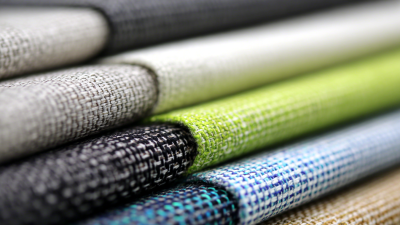
When selecting cut proof fabric, consider the type of threats you face. Different fabrics offer varying levels of resistance. Some may excel against sharp objects but lack flexibility. Others might be lightweight yet inadequate for heavy-duty tasks. Pay attention to details like thickness, weave, and composition, as these can affect performance.
Many people overlook care instructions when purchasing cut proof fabric. Improper maintenance can reduce its effectiveness. It's important to invest time in understanding how to properly clean and care for these materials. Understanding their limitations is just as important as knowing their strengths. Balancing protection with comfort is a challenge worth addressing.
Understanding Cut Proof Fabrics and Their Importance
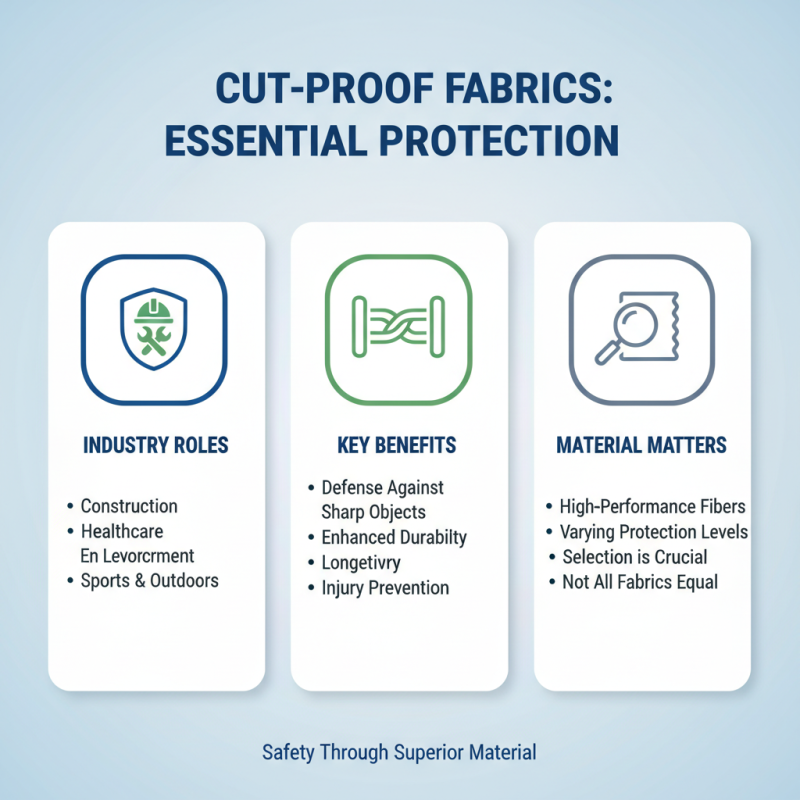
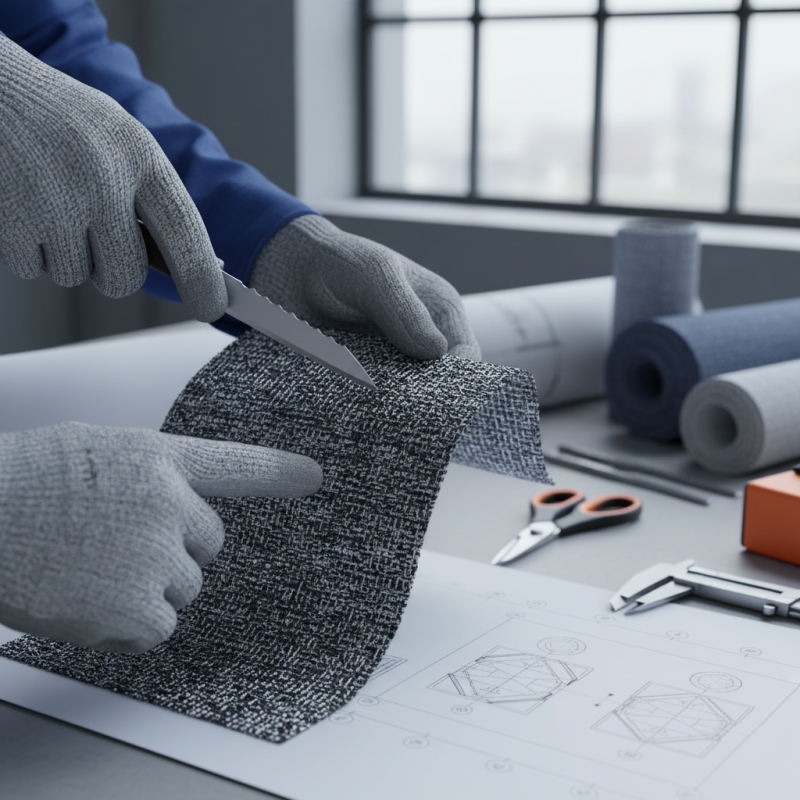
Cut proof fabrics play a crucial role in various industries. These fabrics provide essential protection against sharp objects. Whether in construction or healthcare, durability is key. Many people overlook the importance of selecting the right material. Not all fabrics offer the same level of protection.
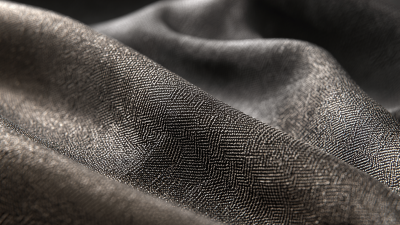
Understanding cut proof fabrics starts with their composition. Some use synthetic fibers that resist cuts. Others combine different materials for added strength. Testing different options can be helpful. It’s not just about looking sturdy; it’s about real-world performance. Workers might feel invincible, but even the best fabrics can fail.
Choosing the right fabric requires careful attention. Think about the specific risks involved in your environment. Investigate the cut resistance rating of each fabric. Consider comfort and breathability too. A balance between safety and ease of wear is essential. Sometimes, the best choice isn’t obvious. It requires thoughtful consideration and perhaps a bit of trial and error.
Key Materials Used in Cut Proof Fabric Manufacturing
Choosing the right cut-proof fabric involves understanding the materials that provide the best protection. Many fabrics used in cut-proof gear feature high-performance fibers. Among these, aramid fibers offer exceptional strength and durability. These lightweight materials are often used in protective gloves and apparel. They can withstand abrasion and cutting, making them critical in various industries.
Another important material is ultra-high-molecular-weight polyethylene (UHMWPE). This fiber is highly resistant to cuts and slashes. It's often found in armor vests and safety gear. UHMWPE is not only strong but also lightweight. This balance offers comfort without sacrificing safety. However, not all UHMWPE fabrics are equal. Some may lack the necessary density to provide adequate protection.
Lastly, metal mesh is sometimes incorporated into cut-proof fabric. This creates an additional layer of defense. Metal mesh can be heavy and less flexible, which might not suit all applications. It's essential to weigh comfort against protection. Balancing these factors often requires reflection. Choose materials that meet specific needs while considering potential trade-offs.
Evaluating the Cut Resistance Ratings of Fabrics
When choosing cut-proof fabric, understanding cut resistance ratings is essential for safety. Fabrics are tested based on the ASTM F2992 standard, which measures their ability to resist cutting forces. The results are expressed in grams. A higher number indicates better protection. Fabrics rated above 1000 grams offer substantial cut resistance, ideal for industrial use and protective gear.
Cut resistance ratings can be misleading. Not all fabrics are created equal. Some may have a high rating but lack durability or comfort. For example, a fabric that passes the test might not withstand repeated wear and tear. Always review reports from independent laboratories for accurate assessments. Seek fabrics that balance protection with flexibility. Test different materials to find what works best for your needs.
Tips: Look for third-party certifications. They provide evidence of the fabric's cut resistance. Pay attention to the weight and weave. Denser weaves often offer better protection. Remember to consider the specific risks associated with your activity. Not all cut-resistant fabrics suit every task.
Considerations for Choosing the Right Cut Proof Fabric
When choosing cut-proof fabric, several factors must be considered.
Material type plays a critical role in its effectiveness. Commonly used fibers include
para-aramid and
polyethylene. These materials are engineered for
durability and resistance to cuts. However, not every blend will perform the same. Testing the fabric
is advisable to ensure it meets your needs.
Another essential aspect is the weight of the fabric. Heavier materials typically offer
better protection. However, they can also feel cumbersome. Balance is necessary; comfort is as
vital as safety in industrial settings. Movement should not be restricted. Recognize that over time,
even high-quality fabrics might wear down. Regular inspections are key to maintaining their
protective capabilities.
Lastly, consider the intended use of the fabric. Will it be exposed to sharp edges regularly?
Different applications require tailored solutions. Take time to evaluate personal or workplace needs.
Reflect on how often the fabric will be replaced. Investing in quality may seem costly but can save
money and injuries in the long term.
Tips for Maintaining and Care of Cut Proof Fabrics
Maintaining cut-proof fabrics requires regular care to ensure their longevity. When washing, use cold water and a gentle cycle. Avoid harsh detergents that can break down fibers over time. Air drying is preferred; high heat can weaken the material's protective properties.
Inspect your garments frequently for signs of wear. Pay attention to seams and edges where damage can start. If you notice fraying, mend it immediately. Storing cut-proof fabrics properly also matters. Use breathable storage to prevent moisture build-up. Keep them away from direct sunlight to maintain their integrity. Care and inspection are key to maximizing protection.
Occasionally, these fabrics can feel restrictive. It's essential to assess comfort while ensuring safety. Sometimes, a balance between protection and flexibility requires thought. Monitor how the fabric behaves during use. Creating a routine for care can be challenging, but little efforts can make a big difference.
How to Choose Cut Proof Fabric for Maximum Protection? - Tips for Maintaining and Care of Cut Proof Fabrics
| Fabric Type |
Cut Resistance Level |
Applications |
Care Instructions |
Durability |
| Kevlar |
A4 |
Industrial Gloves, Protective Clothing |
Machine wash cold; air dry |
High |
| Dyneema |
A5 |
Cut Resistant Gloves, Arm Guards |
Hand wash; no bleach |
Very High |
| Microfiber |
A2 |
Kitchen Cutters, Food Processing |
Machine wash warm; tumble dry |
Medium |
| Steel Mesh |
A6 |
Meat Processing, Glass Handling |
Rinse and dry immediately; avoid soaking |
High |
| Carbon Fiber |
A4 |
Automotive, Aerospace |
Wipe clean with damp cloth |
Very High |