How to Choose Large Carbon Fiber Sheets for Your Projects?
When embarking on a project that requires "Large Carbon Fiber Sheets," choosing the right material is crucial. Renowned expert Dr. Emily Hart, a materials scientist, emphasizes, "The right carbon fiber can transform your design." Understanding the unique properties of carbon fiber is essential for making an informed decision.
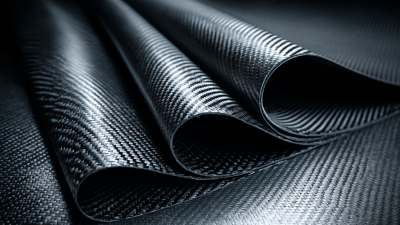
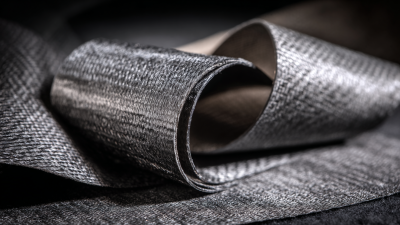
Large Carbon Fiber Sheets exhibit remarkable strength-to-weight ratios. They provide durability without adding excessive weight, making them popular in aerospace and automotive applications. However, not all sheets are created equal. Differences in weave, resin types, and thickness can impact performance. It is vital to assess specific project needs before selecting.
While these sheets have numerous advantages, it's important to acknowledge potential downsides. Some users may find them challenging to cut and shape. The cost can also be a deterrent for smaller projects. Reflecting on these aspects can lead to a more thoughtful choice, ensuring the right investment in your materials.

Understanding Carbon Fiber Sheets: Types and Properties
Carbon fiber sheets are gaining popularity in various industries due to their unique properties. They are lightweight yet incredibly strong. These sheets come in several types, including woven and unidirectional options.
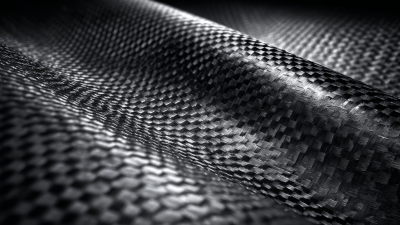
Woven sheets offer flexibility and are commonly used in automotive and aerospace applications. Unidirectional sheets provide high strength in one direction, making them ideal for structural components.
Understanding the properties of carbon fiber is crucial for effective selection. The tensile strength of carbon fiber is exceptional, often exceeding that of steel. However, the stiffness can vary based on the type of weave. Some projects may require a balance between flexibility and rigidity.
It's essential to consider the environment too; certain composites may not withstand extreme temperatures or humidity well.
Choosing the right carbon fiber sheet can be challenging. Evaluate your project requirements carefully. Misjudging the material can lead to structural failures. For example, using a low-stiffness sheet in a load-bearing application may compromise safety.
Always consult with knowledgeable sources or professionals, as their experience can prevent costly mistakes. Aim for informed decisions based on reliable information.
Assessing Project Requirements: Size, Weight, and Thickness Considerations
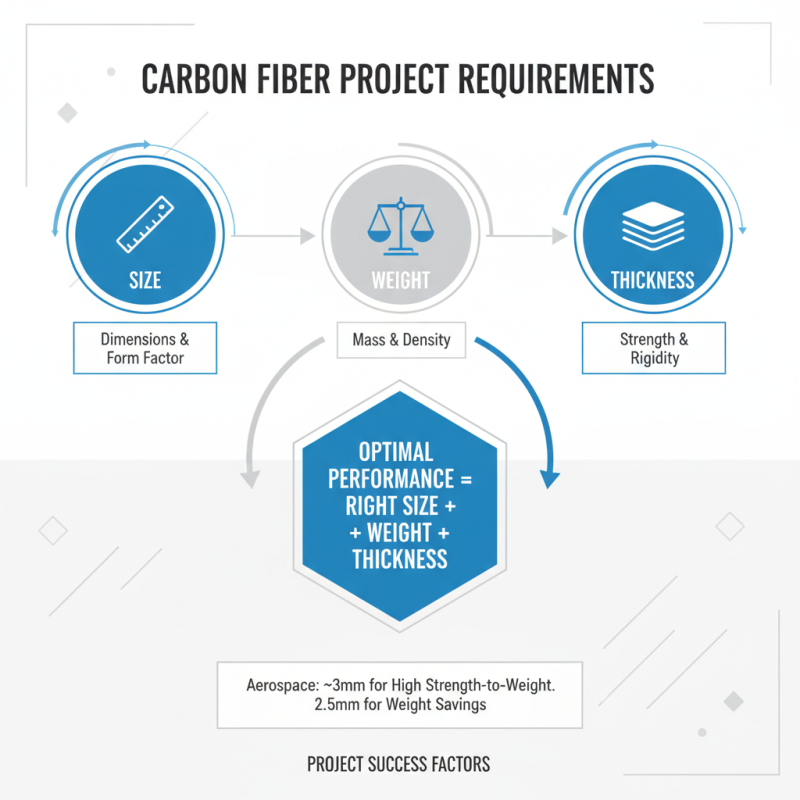
Choosing the right size, weight, and thickness for large carbon fiber sheets is crucial. A project's success often hinges on these factors. For instance, the aerospace industry frequently utilizes sheets that are nearly 3mm thick. This is due to the requirement for high strength-to-weight ratios. Research indicates that a thickness of 2.5mm can offer significant weight savings without sacrificing structural integrity.
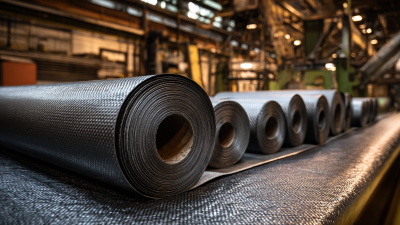
When it comes to size, many projects need sheets larger than 1m2. This is especially true for automotive applications. However, larger sheets can be more challenging to handle and cut. A study from the Composite Materials Handbook indicates that larger pieces can absorb more stress, but they require precise cutting methods. Industry standards suggest that cutting techniques should minimize waste to maximize cost-efficiency.
Weight plays an equally important role. For marine applications, lighter sheets enhance buoyancy. However, it is also vital to consider that lighter sheets can be more susceptible to flexing. A report from the American Society for Testing and Materials highlights the importance of balancing weight and durability. Always assess your specific needs against material properties to ensure optimal performance.
Evaluating Quality: Key Factors in Carbon Fiber Manufacturing
When evaluating the quality of large carbon fiber sheets, several key factors come into play. The manufacturing process is crucial. Properly woven fibers ensure the material maintains strength and flexibility. According to a recent industry report, carbon fiber composites can have a tensile strength exceeding 600 MPa, making them ideal for various applications.
It is essential to examine the resin system used in production. The curing process and resin type significantly influence longevity and performance. High-quality resins improve the bonding of fibers and contribute to overall durability. Studies have shown that sheets with superior resin characteristics can withstand temperatures up to 250 degrees Celsius without losing integrity.
Moreover, the sheet thickness is important. While thicker sheets offer enhanced strength, they can be heavier and may not suit every project. Balancing weight and strength requires careful consideration. Engineers often face dilemmas when choosing optimal specifications. Understanding your project's needs and testing prototypes may lead to better outcomes. Each choice impacts performance and efficiency, underscoring the importance of assessing all factors involved in carbon fiber selection.
How to Choose Large Carbon Fiber Sheets for Your Projects? - Evaluating Quality: Key Factors in Carbon Fiber Manufacturing
| Factor |
Description |
Importance Level |
| Material Grade |
Higher grades offer better tensile strength and durability. |
High |
| Thickness |
Thickness affects strength and weight; choose based on application. |
Medium |
| Weave Pattern |
Different patterns provide varying levels of flexibility and strength. |
Medium |
| Resin System |
Influences overall performance including heat resistance and chemical resistance. |
High |
| Surface Finish |
Affects aesthetics and potential surface bonding; smooth finishes might be required for some applications. |
Low |
| Cost |
Higher quality materials may have a higher initial cost but lead to better performance. |
Medium |
Cost Analysis: Budgeting for Large Carbon Fiber Sheets
When considering large carbon fiber sheets, understanding the cost is essential. Typically, prices range from $15 to $50 per square foot.
Factors affecting these prices include thickness, weave type, and supplier. For instance, aerospace-grade carbon fiber is pricier than standard options due to its high-performance qualities.
A study from the Composites Market Report reveals that the global demand for carbon fiber materials is expected to grow at a CAGR of 10% through 2025.
This growth may influence prices, making early budgeting crucial. If a project requires extensive sheets, costs can accumulate quickly.
Evaluating the total project budget means factoring in cutting fees and shipping charges. It’s also wise to consider potential waste from cutting and shaping these materials.
While carbon fiber offers excellent durability, its upfront costs may require reconsideration. Some projects may benefit from alternative materials if budget constraints are an issue.
Balancing material cost and project needs can lead to more effective decision-making. Sometimes, an initial investment may not align with long-term sustainability goals. Hence, analyzing overall value is key.
Shopping Tips: Where to Buy and What to Look For
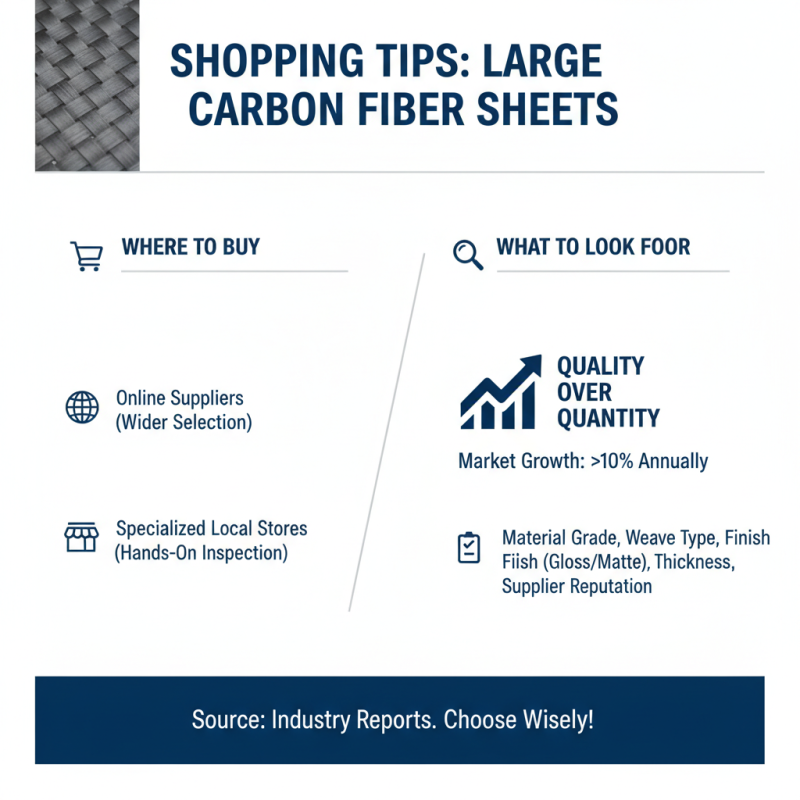
When selecting large carbon fiber sheets, understanding where to buy and what to look for is crucial. The market is diverse, with options ranging from online suppliers to specialized local stores. According to industry reports, the carbon fiber market is projected to grow by over 10% annually, showcasing its increasing relevance. This growth highlights the need for quality over quantity.
One tip is to look for suppliers who offer specifications and certifications. This ensures that the sheets meet required standards. Check if the supplier provides detailed information about weave patterns and resin types. Knowledgeable suppliers often offer insights that can be invaluable for your project.
Another factor is the price range. Be cautious with unusually low prices. Such deals might indicate inferior quality materials. Investing in reliable suppliers often pays off in the long run. Remember, reviewing customer feedback can help gauge the supplier’s reliability. Inconsistencies in reviews may point to potential issues, allowing you to weigh your options better.