How to Choose the Best Carbon Fiber Webbing for Your Needs?
Choosing the right carbon fiber webbing can seem overwhelming. With various types and applications available, it's essential to understand your specific needs. Carbon fiber webbing is renowned for its strength and lightweight properties. It's ideal for diverse uses, from outdoor gear to industrial applications.
When selecting carbon fiber webbing, consider factors such as tensile strength, width, and flexibility. Not all carbon fiber materials are created equal. Some options may not meet your durability requirements. It's crucial to evaluate the specifications closely to ensure they align with your project goals.
Don't overlook the importance of reputable suppliers. Quality matters when it comes to carbon fiber webbing. Some vendors might prioritize profit over performance. Seek out reliable brands with a proven track record. In the end, careful consideration will save you from potential disappointments. Finding the best carbon fiber webbing enhances your projects significantly.
Factors to Consider When Choosing Carbon Fiber Webbing Thickness
When choosing carbon fiber webbing, thickness is a critical factor. It significantly influences durability, weight, and flexibility. Thicker webbing offers greater strength, suitable for heavy loads. However, it may compromise flexibility. This can affect how easily the webbing can be manipulated or stored.
Selecting the right thickness depends on your application. If you need webbing for intricate designs, thinner options may be better. They can fit into tighter spaces, allowing for more versatility. Yet, thin webbing might not withstand heavy-duty use. Balancing strength and flexibility is essential, and this often requires experimentation.
It’s also important to consider environmental factors. Exposure to UV light or moisture can affect webbing strength and lifespan. Testing under real-world conditions can reveal unexpected weaknesses. Therefore, you may find that perfect thickness is not always obvious. Reflecting on past use and outcomes can guide your choice. Each scenario is unique, and sometimes, the best option is discovered through trial and error.
Understanding the Tensile Strength Requirements for Your Applications
When selecting carbon fiber webbing, understanding tensile strength is crucial. Tensile strength indicates how much force the material can handle before failure. It varies depending on the application. For example, a webbing used in climbing gear needs very high tensile strength due to safety concerns. On the other hand, decorative projects may not require such robust materials.
Different types of carbon fiber webbing exist, each tailored for specific purposes. It is vital to assess how you plan to use the webbing. Factors such as load capacity and environmental exposure can influence your choice. Consider whether the webbing will face abrasion, moisture, or UV exposure. Incorporating these details will help you choose effectively, though it can be challenging.
Not all carbon fiber webbing is created equal. Even a brand with great reputation might have weaknesses under certain conditions. Testing samples before making a large purchase can provide valuable insights. Further, seeking advice from experts can clarify your requirements. Gathering diverse opinions and experiences can prevent costly mistakes. Ultimately, choosing the right webbing requires careful consideration of tensile strength and application needs.
Comparative Analysis of Carbon Fiber Webbing Weaves and Patterns
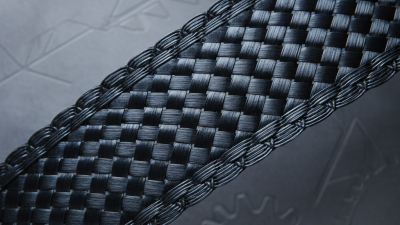
When selecting carbon fiber webbing, understanding the various weaves and patterns is crucial. Each weave offers distinct benefits depending on the application. For example, plain weaves are ideal for tensile strength but may lack flexibility. In contrast, twill weaves provide enhanced drape and are often favored in applications requiring high flexibility.
According to industry reports, the twill weave can increase composite strength by 20% compared to plain weaves. Furthermore, three-dimensional (3D) weaving techniques enhance strength in multiple directions. This is vital for applications in aerospace and automotive industries, where multi-axial stresses occur. It's essential to consider how the choice of weave affects weight, strength, and durability.
However, experts note some drawbacks. More intricate weaves can be more expensive and may complicate the manufacturing process. Additionally, each weave's performance can vary significantly under different environmental conditions, such as humidity and temperature. This variability calls for thorough testing and evaluation before finalizing your choice. Thus, careful consideration of both advantages and challenges associated with different weaves will ensure better alignment with specific needs.
Evaluating Weight-to-Strength Ratios in Different Carbon Fiber Types
When selecting carbon fiber webbing, understanding weight-to-strength ratios is essential. Different types of carbon fiber offer varied levels of strength and density. For instance, high-modulus carbon fibers provide superior strength but come with added weight. If lightweight performance is your goal, consider medium-modulus fibers. They balance weight and strength effectively.
Evaluating these ratios can be tricky. Some may assume that higher strength always equates to better performance. This isn’t always true. A fabric that’s too rigid might crack under certain conditions. Conversely, a more flexible option might not support heavy loads. It requires careful consideration of your specific application.
Real-world testing is invaluable. You might purchase a webbing that seems perfect but fails during actual use. Conduct stress tests and evaluate how it holds up under different environments. This hands-on approach can reveal its true reliability.
Assessing Environmental Resistance and Durability of Carbon Fiber Webbing
When selecting carbon fiber webbing, assessing its environmental resistance and durability is crucial. Carbon fiber inherently offers impressive tensile strength, making it a reliable choice for various applications. Studies show that carbon fiber exhibits minimal degradation, even under harsh UV exposure. In rigorous tests, carbon fiber maintains 80% of its strength after consistent exposure to sunlight for six months.
However, not all carbon fiber webbing is the same. Different manufacturing processes can affect durability. For instance, production methods can alter the resin used, impacting resistance to chemicals and moisture. A report by the Advanced Materials and Processes journal highlights that specific formulations can enhance durability against saltwater and acids, making them ideal for marine applications.
Tips: Always check the manufacturer's specifications. Look for detailed reports on environmental stress testing. Understanding the ratings that indicate resistance can save time and resources in the long run. Additionally, conduct field tests when possible. Real-world conditions can reveal aspects that lab tests might not cover. Remember that even high-quality materials can occasionally falter under extreme conditions, which reinforces the importance of thorough evaluation.
Durability and Environmental Resistance of Carbon Fiber Webbing
This chart illustrates the various resistance levels of carbon fiber webbing in different environmental aspects. The scores range from 1 to 10, indicating the performance of carbon fiber webbing against UV, water, chemical, temperature, and abrasion challenges.