How to Choose the Best Cut Resistant Cloth for Your Needs?
Cut resistant cloth is an essential material for anyone needing protection from cuts and abrasions. It is widely used in various industries, including manufacturing, construction, and food processing. Choosing the best cut resistant cloth can be challenging. Many different options are available, each offering unique features and levels of protection.
When selecting cut resistant cloth, consider the specific hazards in your environment. For instance, are you working with sharp tools or materials? The right cloth should provide a balance of flexibility and durability. Additionally, understanding the cut ratings is crucial. Different ratings indicate the level of protection offered. Not all cloth will perform equally in various situations, so researching and comparing options is vital.
Think about comfort and fit as well. If a cloth is too bulky, it may hinder your movements. It's important that protection does not compromise your efficiency. While finding the perfect cut resistant cloth can feel overwhelming, taking the time to evaluate your needs will lead to better choices. Reflect on past experiences where protection failed or succeeded, as these insights can guide your decision.

Understanding Cut Resistant Fabrics: Types and Materials
Cut-resistant fabrics are essential in various industries, offering protection against sharp objects. These materials come in different types, each suited for specific applications. Common options include Kevlar, Dyneema, and various blends. Kevlar is known for its strength and is often used in gloves and sleeves. Dyneema, on the other hand, is lightweight yet incredibly durable, making it ideal for aprons and protective gear.
When selecting cut-resistant cloth, understanding the material's cut level is crucial. The cut level indicates the resistance of the fabric to slicing and cutting hazards. Higher cut levels provide better protection but may compromise comfort. It's a delicate balance to find the right fit for specific needs. Always look for certifications that verify the material's performance. This ensures that the fabric meets safety standards.
Consider the weight and flexibility of the fabric as well. A heavier material may offer better protection but can restrict movement. Users should assess their work environment and activities to choose appropriately. Many times, personal preference plays a significant role too. Experimenting with different materials can lead to better insights and comfort, though it may require some trial and error. Evaluating your choices will lead to informed decisions.
Evaluating Cut Levels: Industry Standards and Ratings Explained
When considering cut resistant cloth, it's crucial to understand the cut levels defined by industry standards. The American National Standards Institute (ANSI) and the International Safety Equipment Association (ISEA) have established a cut level system that ranges from A1 to A9. Each level indicates the degree of protection offered against cut hazards. For instance, a level A1 provides minimal protection, while a level A9 offers the highest.
When selecting the right cut resistant cloth, evaluate your specific needs. If your work involves handling sharp objects, opting for a higher cut level may be wise. Conversely, less hazardous environments may suffice with a lower level. Always remember, not all tasks require the same level of protection.
Tips: Consider the materials used in the cloth. High-performance polyethylene and aramid fibers are popular for their durability. Check for comfort and dexterity as well. Remember, there's a balance between protection and ease of movement. Regularly review your choices to ensure they meet evolving safety standards. In an industry that continuously evolves, staying informed is key to making the best choice.
Fabric Construction: Weave Patterns and Their Impact on Protection
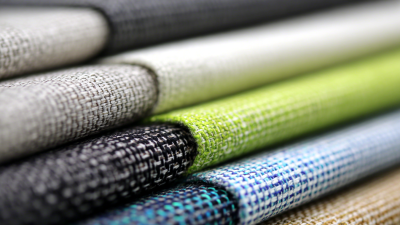
Selecting the right cut-resistant cloth begins with understanding fabric construction. Weave patterns directly influence the degree of protection a fabric can offer. Common patterns include plain weave, twill weave, and basket weave. Each has its unique attributes and levels of durability. For instance, plain weave is sturdy but may not provide the highest cut resistance. On the other hand, twill weave offers better stretch, allowing for more movement in protective gear.
When evaluating fabric for cut resistance, consider the thread count per inch. Higher counts generally lead to stronger fabrics. The orientation of the threads also plays a vital role. A diagonal weave may better disperse the force from a cut. Testing a fabric's cut resistance in real-world conditions is essential. Each application has different risks, meaning performance can vary significantly. An ideal weave pattern may depend on specific tasks, so adjustments might be necessary.
Choosing cut-resistant cloth involves more than just technical specifications. Users should reflect on their personal experiences with different materials. Comfort and flexibility should not be overlooked. A fabric may excel in protection yet lack needed comfort for prolonged wear. This balance is crucial, as it can affect how often the gear is used. Always contemplate on the fabric's real-world application.
Cut Resistance Levels of Different Fabric Weaves
Choosing the Right Fit: Sizing and Comfort for Optimal Use
When selecting cut-resistant cloth, fit and comfort are crucial. A well-fitted garment allows for mobility, which is essential in high-risk environments. If the cloth is too loose, it can snag on equipment. Conversely, a tight fit may restrict movement, leading to fatigue. Ensure that the sizing reflects your body shape accurately. Try a few sizes before making a decision, as this can significantly affect your comfort during use.
Material choice also plays a role in comfort. Breathable fabrics can enhance the experience, promoting airflow and reducing sweat. Not all cut-resistant materials offer the same level of breathability. Finding the right balance between protection and comfort can require some trial and error. It’s worth reflecting on previous experiences with different materials. You may find that what worked well before might not suit your current needs. Testing different styles can lead to better outcomes.
Care and Maintenance: Enhancing the Longevity of Cut Resistant Cloth
Cut resistant cloth is essential for various industries. However, proper care and maintenance are key to its longevity. According to the American National Standards Institute (ANSI), certifications for cut-resistant materials indicate their effectiveness. Wear and tear can diminish their protective qualities over time.
Washing cut resistant cloth is crucial. It is advisable to use cold water and a mild detergent. Harsh chemicals can weaken the fibers. Avoid bleach and high-temperature drying. Each wash can reduce cut resistance by 10% if not done properly.
Storage also matters significantly. Keep materials in a cool, dry place away from direct sunlight. Prolonged exposure to UV light can degrade the fibers. Regular inspections for wear and damage help catch issues early. Small tears could compromise safety. Adopting these practices enhances the durability of cut resistant cloth, ensuring your safety remains a priority.
How to Choose the Best Cut Resistant Cloth for Your Needs? - Care and Maintenance: Enhancing the Longevity of Cut Resistant Cloth
| Criteria |
Description |
Care Tips |
| Material |
Choose high-performance fibers like Kevlar or Dyneema for optimal cut resistance. |
Wash with cold water and mild detergent to maintain fiber strength. |
| Cut Resistance Level |
Select a level according to ANSI/ISEA standards based on your specific needs. |
Regularly inspect for wear and tear to ensure continuous protection. |
| Fit and Comfort |
Ensure a proper fit that allows for movement without compromising protection. |
Avoid prolonged exposure to moisture to maintain comfort and durability. |
| Breathability |
Select materials that offer breathability for high-temperature environments. |
Store in a cool, dry place to aid in moisture control. |
| Durability |
Choose cloth that can withstand abrasions and fraying from repeated use. |
Follow manufacturer's instructions for maintenance to extend fabric life. |