2026 How to Choose Uhmwpe Fiber Fabric for Optimal Performance?
In the ever-evolving textile industry, Uhmwpe Fiber Fabric stands out for its remarkable properties. According to a recent report by the Global Association of Specialty Fibers (GASF), the demand for Uhmwpe Fiber is projected to grow by 12% annually through 2026. This fabric is known for its high strength-to-weight ratio and excellent abrasion resistance. Industry expert Dr. Sarah Thompson remarked, “Choosing the right Uhmwpe Fiber Fabric is crucial for maximizing performance and safety in applications.”
Understanding the selection criteria for this material is essential. Factors like fiber density, weave structure, and treatment processes directly affect performance. For instance, heavier fabric may offer better protection but can reduce flexibility. Balancing these elements is key to achieving optimal results. While Uhmwpe Fiber Fabric is widely praised, it requires careful consideration; improper selection may lead to equipment failure or compromised safety.
The deep technical knowledge and practical experience in selecting Uhmwpe Fiber Fabric are vital. Users must reflect on their specific needs and applications. As the industry grows, proper guidance is essential for navigating the complexities of these materials.
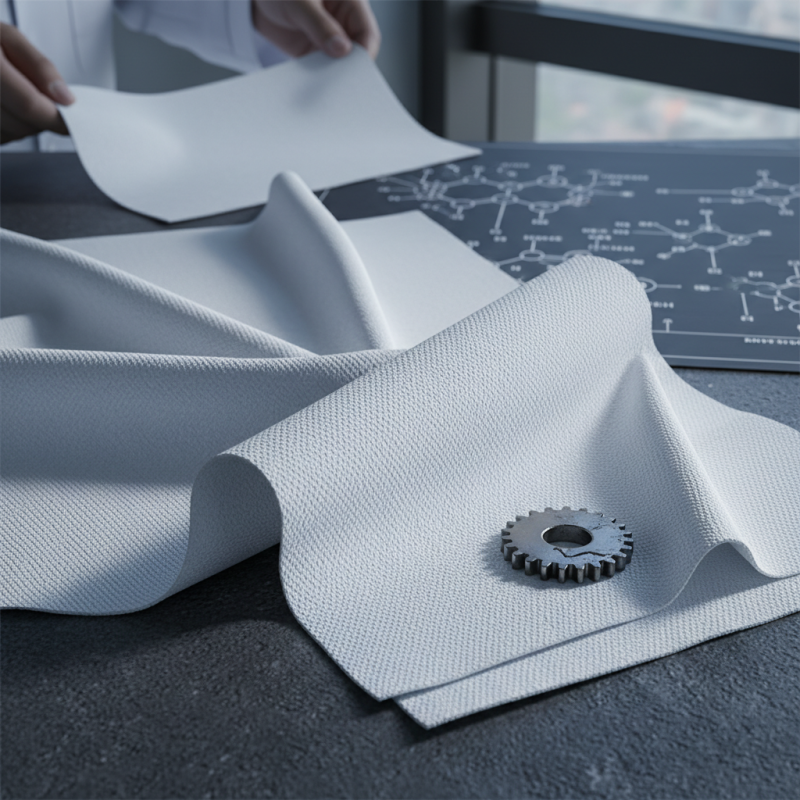
Benefits of UHMWPE Fiber Fabric in High-Performance Applications
UHMWPE (Ultra-High Molecular Weight Polyethylene) fiber fabric is emerging as a top choice in high-performance applications. Its unique properties make it beneficial in various fields, including aerospace, military, and sports equipment. Research indicates that UHMWPE fibers can be up to 15 times stronger than steel yet are lightweight and flexible.
One key benefit of UHMWPE fiber fabric is its exceptional abrasion resistance. This makes it ideal for protective clothing and gear. According to industry reports, UHMWPE can withstand harsh environments and maintain performance under pressure. Many users report improved durability in extreme conditions, highlighting its reliability. However, some lower-quality options may not offer the same advantages and could degrade faster over time.
When selecting UHMWPE fiber fabric, consider specific performance requirements. Look for details about tensile strength and impact resistance. Not all products meet the same standards. Testing methods vary, affecting the end-use performance.
Tips: Always ask for performance data from manufacturers. Ensure the fiber is certified for your intended application. While UHMWPE offers numerous advantages, understanding the material's limits might help in making a better choice.
2026 How to Choose Uhmwpe Fiber Fabric for Optimal Performance? - Benefits of UHMWPE Fiber Fabric in High-Performance Applications
| Dimension |
Description |
Benefits |
Applications |
| Tensile Strength |
The maximum amount of tensile (stretch) stress that a material can sustain. |
High strength-to-weight ratio, abrasion resistance. |
Body armor, industrial slings. |
| Chemical Resistance |
Ability to withstand exposure to various chemicals without degradation. |
Longer lifespan in harsh environments. |
Protective gear, marine applications. |
| Lightweight |
Low density compared to steel and other traditional materials. |
Enhanced mobility and reduced fatigue. |
Sportswear, outdoor gear. |
| UV Stability |
Resistance to degradation from ultraviolet (UV) radiation. |
Durability in outdoor applications. |
Tarps, covers, and canopies. |
| Hydrophobicity |
Ability to repel water and resist moisture absorption. |
Prevents mold and mildew growth. |
Waterproof clothing, bags. |
Key Properties of UHMWPE Fiber That Impact Performance
Choosing the right UHMWPE fiber fabric is critical for performance. Ultra-high molecular weight polyethylene (UHMWPE) fibers offer unique properties that can enhance the functionality of various products. Their high tensile strength, which can reach up to 3-5 times that of steel, plays a significant role in applications requiring durability. A report from the Composite Materials Handbook indicates that fabrics made with UHMWPE can withstand high stress while remaining lightweight.
Additionally, the low moisture absorption rate of UHMWPE fibers is another key factor. Moisture can weaken fibers, leading to degradation and reduced performance. A study published in the Journal of Applied Polymer Science highlighted that UHMWPE fibers absorb less than 0.1% water, maintaining their integrity and mechanical properties in diverse environments. This characteristic makes them ideal for high-performance textiles used in challenging conditions.
It's also important to consider the fabric's resistance to chemicals and UV radiation. While UHMWPE is resistant to many chemicals, prolonged exposure can still affect its performance. Engineers must assess environmental factors when choosing fabrics. Not all UHMWPE fibers respond the same way under extreme conditions. Understanding these nuances can help optimize performance for specific applications, ensuring reliability and efficacy.
2026 How to Choose UHMWPE Fiber Fabric for Optimal Performance?
This chart illustrates the key properties of UHMWPE fiber that influence its performance. The properties include tensile strength, elongation at break, abrasion resistance, density, and thermal stability, which are critical factors to consider when selecting UHMWPE fiber fabric for optimal performance.
Comparative Analysis of UHMWPE vs. Other Fiber Fabrics
When comparing UHMWPE fiber fabric to other materials, several factors require careful consideration.
UHMWPE, known for its high strength-to-weight ratio, stands out among synthetic fibers.
It typically outperforms aramid and polyester in ultra-high strength applications.
Many applications benefit from UHMWPE's incredible abrasion resistance and low moisture absorption.
This makes it suitable for extreme conditions where other materials may fail.
Tips: Look for samples to test the weight and flexibility.
This can help gauge comfort and usability in real scenarios.
In contrast, aramid fibers, while known for their heat resistance, can be bulkier and heavier.
Polyester offers decent strength, but its durability lags behind UHMWPE.
This is critical when selecting materials for protective gear or load-bearing applications.
Each fiber has its strengths and weaknesses, requiring a close examination of performance metrics.
Tips: Assess specific application needs before making a decision.
Understand your material's expected lifespan and performance context.
This foresight can prevent costly mistakes later.
Ultimately, the choice between UHMWPE and other fibers hinges on the intended use.
Different projects will benefit from distinct material properties, emphasizing the need for tailored selections.
Factors to Consider When Selecting UHMWPE Fiber for Specific Uses
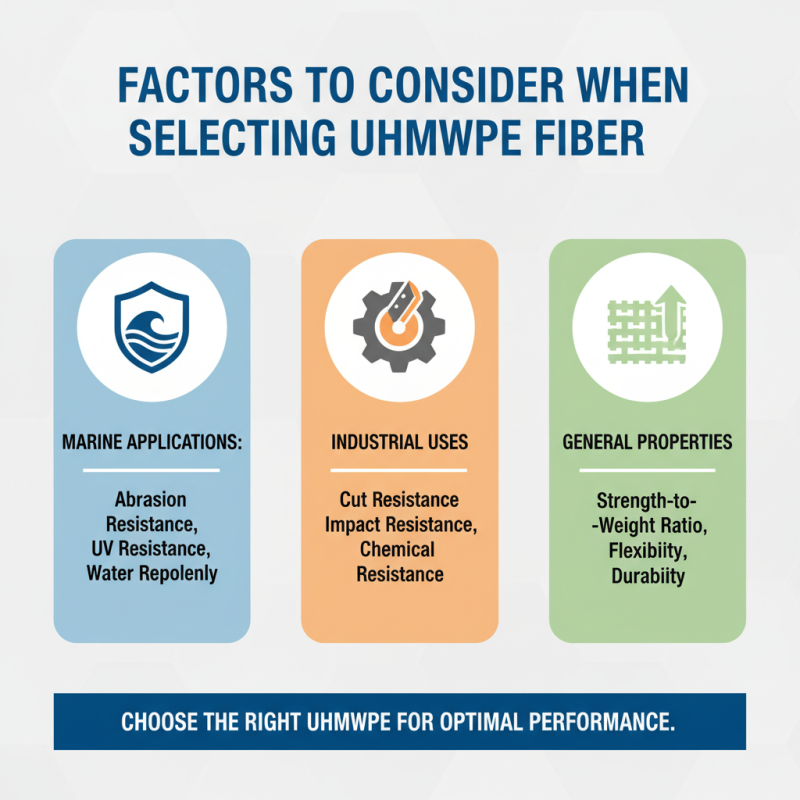
When selecting UHMWPE fiber fabric, several key factors must be considered. First, assess the intended application. Different uses require varying levels of strength and flexibility. For example, marine applications may prioritize resistance to abrasion and UV rays. In contrast, industrial uses might require enhanced cut resistance.
Another important aspect is the fabric weight. Lighter fabrics may be ideal for wearables, while heavier options provide durability for heavy-duty purposes. The weave type also impacts performance. A tighter weave can prevent fraying and enhance strength. However, it may reduce breathability. Consider the environmental conditions as well. High humidity or temperature extremes can affect performance characteristics.
Tips: Always check for certifications related to safety and performance. They can indicate the quality and reliability of the fabric. Additionally, conduct testing if possible. A small sample can give insights into durability and functionality. Reflect on your needs and limitations before making a decision. A thoughtful choice can lead to improved effectiveness in your application.
Industry Standards and Certifications for UHMWPE Fiber Quality
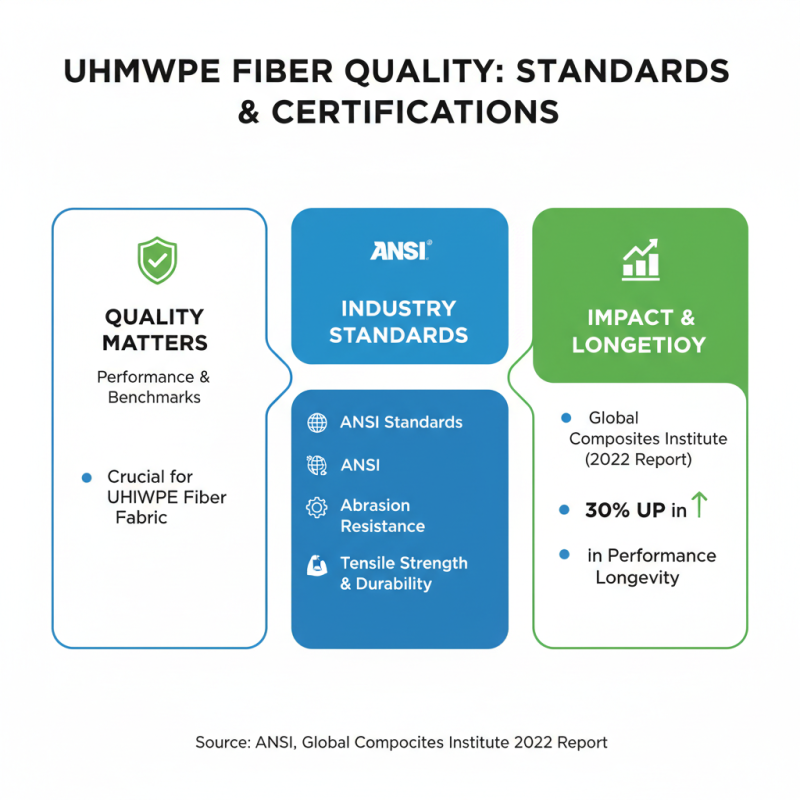
When selecting UHMWPE fiber fabric, quality is paramount. Industry standards and certifications serve as benchmarks for performance and safety. The American National Standards Institute (ANSI) has outlined specific standards for UHMWPE fibers. These standards focus on abrasion resistance, tensile strength, and environmental durability. A 2022 report from the Global Composites Institute noted that fabrics meeting these criteria showed an increase in performance longevity by up to 30%.
Certifications like ISO 9001 and ISO 14001 are also critical. They indicate that manufacturers adhere to strict quality management and environmental standards. Fabrics with these certifications offer reliability and consistent performance. However, not all products proudly display these credentials. This lack of transparency may lead to product variability. According to a study by the Material Research Council, inconsistency in manufacturing can reduce the effectiveness of fiber under stress by up to 15%.
It’s essential to consider the implications of using non-certified fabrics. While they may appear cheaper, the potential risks outweigh the benefits. Without proper certifications, these materials might not withstand extreme conditions. Users must weigh performance needs against the uncertainties of unverified materials. Understanding these certifications can help in making informed choices, ensuring optimal performance and safety.