What is Cut Proof Fabric and How is it Used in Safety Gear?
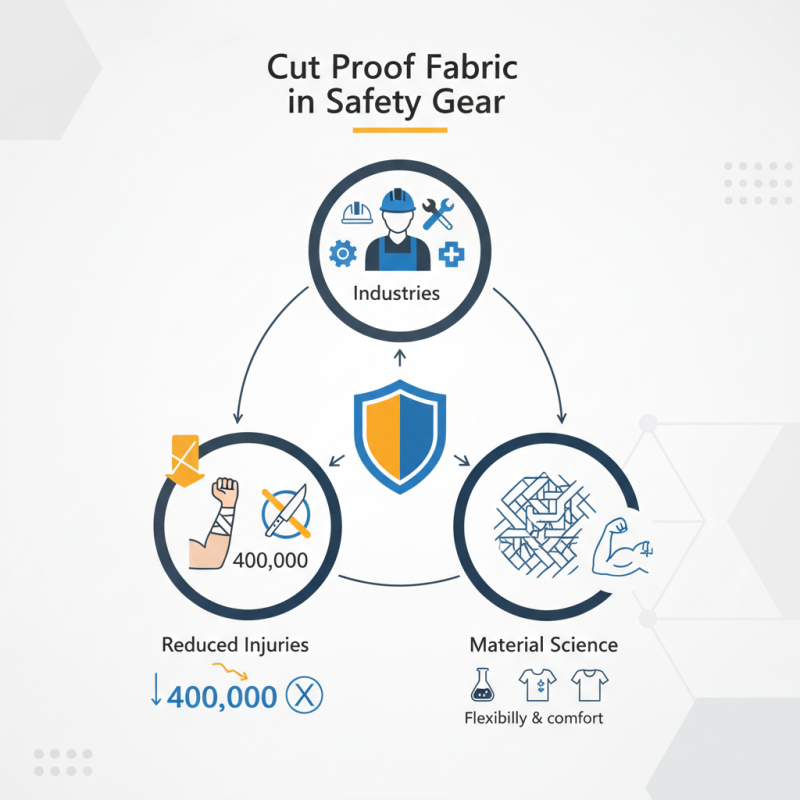
Cut Proof Fabric has emerged as a vital component in safety gear, especially in industries where cutting hazards are prevalent. According to a recent report by the National Safety Council, more than 400,000 workers are treated for cutting injuries every year. This alarming statistic highlights the need for effective protective solutions. Expert Dr. Susan Lee, a leading researcher in material safety, states, "The right Cut Proof Fabric can reduce injury risks significantly."
The implementation of Cut Proof Fabric is not just about compliance; it is about safeguarding lives. In construction, manufacturing, and healthcare, workers often face sharp tools and machinery. The integration of Cut Proof Fabric into safety wear enhances durability and protection. Many companies are investing in these advanced materials, recognizing that safety gear can no longer be an afterthought.
However, challenges remain. Not all Cut Proof Fabrics offer the same level of protection or comfort. Innovators must balance strength with flexibility. As the industry evolves, continuous research is imperative. The goal is to ensure that while we improve safety, we also consider the wearer's experience.
Understanding Cut Proof Fabric: Definition and Composition
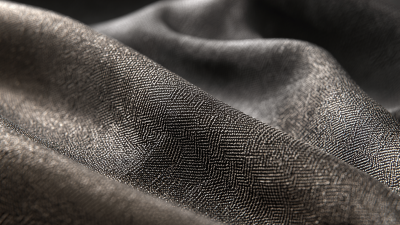
Cut proof fabric is a specialized material designed to resist cuts and abrasions. This fabric is often made from a blend of synthetic fibers, such as Kevlar or Dyneema, which provide enhanced strength. Sometimes, steel or other cut-resistant materials are incorporated for added protection. The unique composition ensures that the fabric can withstand sharp objects, making it ideal for safety gear in various industries.
In practical applications, cut proof fabric is frequently used in gloves, aprons, and sleeves worn by workers in automotive, construction, and food processing. These garments are crucial for preventing injuries when handling sharp tools or materials. The versatility of cut proof fabric also extends to recreational activities, like outdoor sports and fishing, where cuts can occur.
While cut proof fabric offers significant protection, it's vital to recognize its limitations. No material is entirely cut-proof, and users should always remain vigilant. Knowing when a piece of gear needs to be replaced or repaired can be challenging. Regular inspections help ensure safety gear remains effective. Balancing strength and comfort in cut-resistant clothing can also be difficult. The challenge lies in maintaining flexibility without sacrificing protection.
What is Cut Proof Fabric and How is it Used in Safety Gear?
| Material |
Cut Resistance Level |
Applications |
Benefits |
| Kevlar |
A4 |
Industrial gloves, protective clothing |
Lightweight, high tensile strength |
| Dyneema |
A5 |
Slicing and cutting protection gear |
High cut resistance, floating properties |
| HPPE (High-Performance Polyethylene) |
A3 |
Construction and warehousing gloves |
Cost-effective, good dexterity |
| Steel Fiber |
A6 |
Cut-resistant PPE |
Exceptional strength, durability |
| Composite Yarns |
A4 |
Food handling gloves, medical applications |
Flexible, resistant to abrasions |
The Importance of Cut Resistance in Safety Gear
Cut resistance is a crucial feature in safety gear, especially for industries involving sharp tools or hazardous materials. This kind of resistance significantly reduces the risk of cuts and lacerations. Professionals in construction, manufacturing, or medical roles often face such dangers. Consequently, having cut-resistant fabrics in gloves or protective clothing makes a big difference.
Many safety gear manufacturers focus on creating materials that can withstand various cutting risks. These fabrics often include specialized fibers that provide strength and flexibility. However, understanding the limits of cut resistance is essential. No fabric is entirely cut-proof. It's vital for users to regularly evaluate their gear’s condition to ensure optimal safety.
Moreover, awareness of proper usage is necessary. Wearing cut-resistant gear correctly can enhance its protective features. The challenge lies in balancing comfort and safety; some users may prioritize comfort over full protection. Training on the importance of this balance is often overlooked, yet it can significantly impact workplace safety. Staying informed and proactive about equipment standards is key to minimizing potential risks.
Common Applications of Cut Proof Fabric in Various Industries
Cut proof fabric is engineered to resist cuts and abrasions while maintaining comfort and flexibility. Various industries employ this innovative material to enhance safety. In construction, for instance, workers often face sharp objects. Cut proof gloves and jackets protect against injuries when handling tools and materials. This type of fabric allows for safe handling, reducing the risk of accidents.
In the manufacturing sector, cut proof fabric is vital for employees dealing with sharp machinery. This fabric provides protection while ensuring dexterity. Proper gear can prevent severe injuries and improve productivity. Many industries are recognizing the importance of investing in cut-resistant materials to enhance worker safety.
Tips: Always check the fabric's cut level rating before making a purchase. Ensure the gear fits well to avoid accidents caused by loose items. Regularly inspect the safety gear for wear and tear, and replace it as needed to maintain effective protection. Awareness of such details can save lives.
Common Applications of Cut Proof Fabric in Various Industries
Comparison of Cut Proof Fabrics: Materials and Performance
Cut proof fabrics play a crucial role in safety gear, particularly in environments with potential hazards. These materials are designed to resist cuts and abrasions. There are various types of cut proof fabrics, including aramid fibers, high-performance polyethylene, and steel mesh. Each material offers distinct advantages depending on the intended use. Aramid fibers provide lightweight protection, while steel mesh is favored for heavy-duty applications. Understanding these materials helps in selecting the appropriate gear.
Testing the performance of cut proof fabrics is essential. It often includes evaluations such as the ISO 13997 method and the ASTM F1790 standard. These tests measure cut resistance and ensure safety gear meets necessary standards. Users should be aware that while some fabrics offer high cut resistance, they might lack flexibility. This trade-off can affect comfort and mobility.
Tips: Always check the cut level rating of fabrics. Ensure that the selected material meets the specific safety requirements for your tasks. Regularly inspect your gear for any signs of wear. Prolonged use can lead to unnoticed degradation in performance, making regular assessments vital.
Future Trends in Cut Proof Fabric Technology and Safety Gear
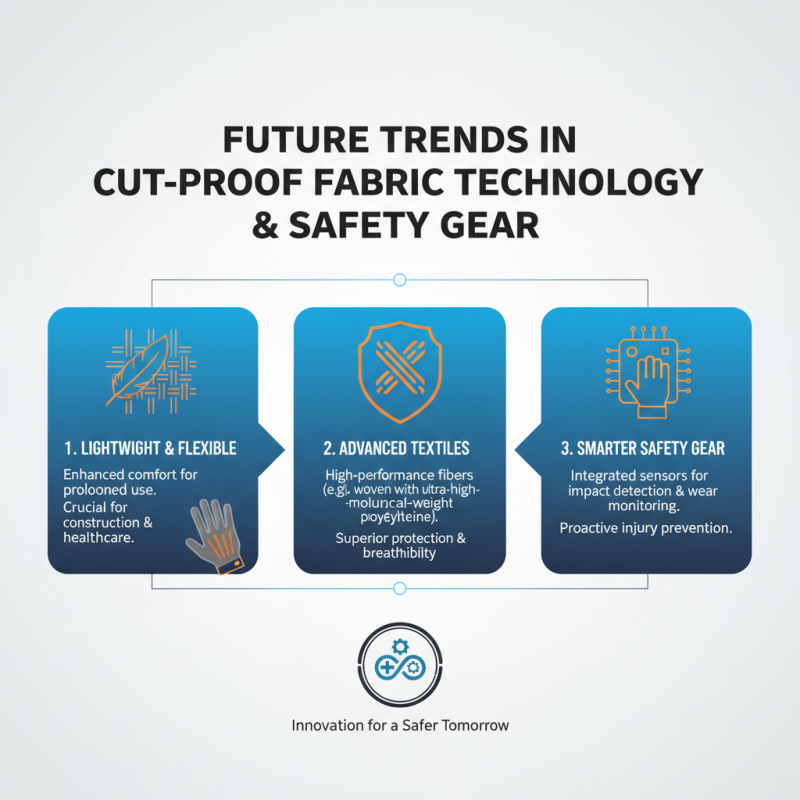
The future of cut-proof fabric technology looks promising as innovation is driven by the need for enhanced safety. Manufacturers are exploring lightweight, flexible materials that offer high cut resistance without compromising comfort. This is crucial for workers in industries like construction or healthcare, where hand injuries are common. Advanced textiles, like those woven with high-performance fibers, are gaining attention. They provide superior protection while being breathable, making them suitable for prolonged use.
Moreover, emerging trends indicate a focus on smart fabrics. These materials can go beyond protection; they may integrate sensors to monitor injuries in real-time. Such improvements could transform safety gear into life-saving devices. However, the industry faces challenges. Balancing cost, function, and comfort is vital to ensure widespread adoption.
Sustainability is also becoming a significant concern. The heavy environmental footprint of some synthetic materials raises questions. Research into eco-friendly production methods and sustainable fibers is essential. While technology is advancing, ensuring that these solutions are ethical and feasible remains a work in progress. The journey to refine cut-proof fabrics continues, as new ideas emerge to offer better safety solutions.