Top 10 Tips for Using Carbon Fiber Tape Effectively?
In the world of advanced materials, Carbon Fiber Tape stands out for its versatility and strength. Experts, like Dr. Emily Carter, a renowned materials scientist, emphasize its importance: "Carbon Fiber Tape can revolutionize repair methods across multiple industries." This statement captures the essence of its application in automotive, aerospace, and even sports equipment.
When using Carbon Fiber Tape, effective techniques are paramount. The wrong application can lead to failures or suboptimal performance. It's crucial to understand the properties of the tape. Proper surface preparation and alignment can make all the difference. While many users may overlook these steps, they are vital for achieving durability.
Even experienced professionals can encounter challenges with Carbon Fiber Tape. It's easy to miscalculate the amount needed or to apply it unevenly. These mistakes can lead to frustration and wasted materials. Learning from these experiences can enhance our future projects and improve overall results. Exploring the top tips will enable users to harness the full potential of this innovative material.

Understanding the Properties and Benefits of Carbon Fiber Tape
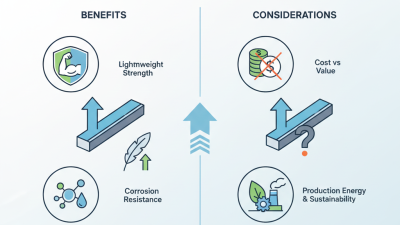
Carbon fiber tape is renowned for its exceptional properties and benefits. This lightweight material is strong and durable. Its unique structure allows it to withstand high stresses without breaking. When applied correctly, carbon fiber tape can enhance the integrity of various projects, from automotive repairs to sports equipment.
Understanding its advantages is crucial. Carbon fiber tape offers excellent resistance to heat and chemicals. This makes it ideal for use in challenging environments. Furthermore, its flexibility allows it to conform to different shapes, adhering where other materials might fail. However, improper application can lead to issues like air bubbles, which compromise adhesion.
While carbon fiber tape is powerful, it requires careful handling. Ensure the surface is clean before application. Even small contaminants can affect bonding strength. It’s essential to apply the tape with consistent pressure for optimal results. When utilized correctly, carbon fiber tape can significantly extend the lifespan of various materials. But if not used properly, it may leave you with more questions than answers.
Top 10 Tips for Using Carbon Fiber Tape Effectively
| Tip Number |
Tip |
Description |
Benefit |
| 1 |
Surface Preparation |
Clean the surface thoroughly before application. |
Ensures better adhesion. |
| 2 |
Temperature Control |
Apply in a controlled temperature environment. |
Improves the curing process. |
| 3 |
Proper Cutting |
Use sharp scissors or a knife for clean edges. |
Reduces fraying and improves aesthetics. |
| 4 |
Layering Techniques |
Apply multiple layers for added strength. |
Increases durability of the joint. |
| 5 |
Storage Conditions |
Store tape in a cool, dry place away from sunlight. |
Prevents degradation before use. |
| 6 |
Pressure Application |
Apply firm pressure when adhering the tape. |
Enhances adhesion strength. |
| 7 |
Use of Release Liner |
Utilize release liner for easy application. |
Prevents tape from sticking prematurely. |
| 8 |
Edge Sealing |
Seal edges with additional adhesive if needed. |
Protects from peeling and wear. |
| 9 |
Test Before Full Application |
Conduct a small test on a sample surface. |
Ensures compatibility and performance. |
| 10 |
Follow Manufacturer Guidelines |
Adhere to instructions provided with the tape. |
Maximizes effectiveness and safety. |
Selecting the Right Type of Carbon Fiber Tape for Your Project
When selecting the right type of carbon fiber tape for your project, consider the specific application. Different projects require different properties. For instance, if you need high tensile strength, choose a tape with excellent fiber construction. If weight is a concern, select a lightweight option.
Next, examine the adhesive quality. A strong, durable adhesive ensures that the tape bonds effectively with various surfaces. Remember, not all adhesives work well together. Testing on a small area can save future headaches.
Lastly, consider the environment where the tape will be used. Certain tapes perform better in extreme temperatures or with moisture exposure. Choosing the wrong type may lead to failure in critical situations. Always reflect on past projects and learn from any mistakes. This way, you can choose confidently next time and achieve optimal results.
Preparing Surfaces for Optimal Adhesion when Using Carbon Fiber Tape
Preparing surfaces is crucial for optimal adhesion when using carbon fiber tape. Clean surfaces ensure that the tape can bond effectively. Contaminants like dust, oil, or moisture can drastically reduce adhesion. According to industry reports, up to 50% of adhesion failures are due to improper surface preparation.
Start by cleaning the surface with a solvent to remove any grease or dirt. An isopropyl alcohol solution is often recommended for this purpose. After cleaning, allow the surface to dry completely. In some cases, roughing up the surface can improve adhesion by increasing the area for the tape to grip. This should be done carefully to avoid creating sharp edges that could lead to tape failure.
Testing the bond before final application is another useful step. Apply a small piece of tape to a test area and evaluate the adhesion after a set period. Reflecting on these steps can highlight how small errors in preparation impact results. Many users overlook the importance of detailed preparation, which can lead to unexpected maintenance issues down the line. Even experienced users can benefit from routine checks and adjustments to their surface preparation methods.
Applying Carbon Fiber Tape: Techniques for a Smooth Finish
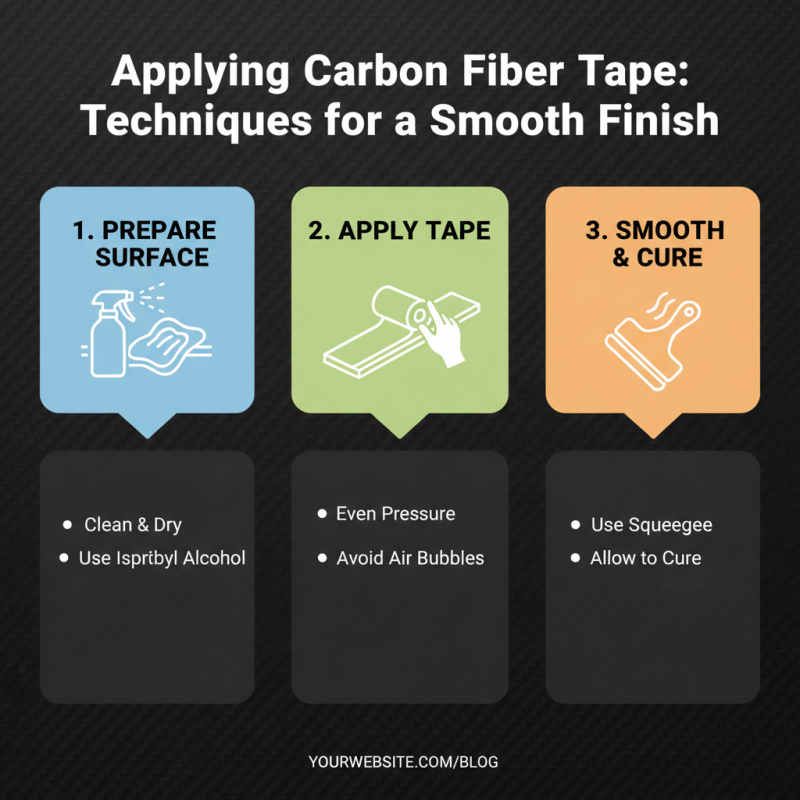
Applying carbon fiber tape can significantly enhance the strength and appearance of your projects. However, achieving a smooth finish requires careful technique. Start by ensuring the surface is clean and dry. Any dust or moisture can hinder adhesion. Use isopropyl alcohol for effective cleaning, allowing it to evaporate completely before application.
When applying the tape, avoid stretching it excessively. Overstretching can lead to wrinkles or bubbles on the surface. Studies suggest that a consistent tension, around 5 to 10 percent, yields the best results. After laying the tape down, use a heat gun on low to eliminate minor imperfections. This technique helps in activating the adhesive, promoting better bonding.
Experience shows that patience is vital. Rushing through the application might result in uneven edges or air pockets. This is often overlooked but can drastically affect the final appearance. If bubbles appear, don't panic—simply pierce them lightly with a pin and press out the air. A thoughtful approach will always yield a better outcome, ensuring your carbon fiber tape projects finish with both style and durability.
Caring for and Maintaining Your Projects with Carbon Fiber Tape
When caring for projects with carbon fiber tape, attention to detail is crucial. Ensure the surface is clean and free of dust before applying the tape. Any debris can compromise adhesion. Proper preparation leads to better results. After application, avoid exposing the tape to extreme temperatures or moisture. These elements can weaken the bond and diminish its effectiveness.
Maintaining your projects requires regular checks. Inspect the edges of the tape for peeling or fraying. Early detection helps prevent significant issues. If you notice wear, consider reapplying the tape. Rely on proper storage methods. Keep the tape in a cool, dry place. Excessive humidity can damage the material. Although carbon fiber tape is durable, it requires care for long-lasting performance.
Using the right techniques can enhance your project outcomes. Seek advice from others experienced in utilizing carbon fiber tape. Sometimes, trial and error reveal potential improvements. Embrace the learning process. This practice can lead to a more satisfying result and deepen your understanding of the material.