Best Flexible Carbon Fiber Sheets for Global Buyers?
In the rapidly evolving world of advanced materials, "Flexible Carbon Fiber Sheets" stand out for their unique properties. Experts like Dr. Emily Carter, a leading figure in material science, emphasize their transformative potential. She once stated, "The versatility of flexible carbon fiber sheets can revolutionize multiple industries." This insight highlights the importance of understanding their applications and benefits.
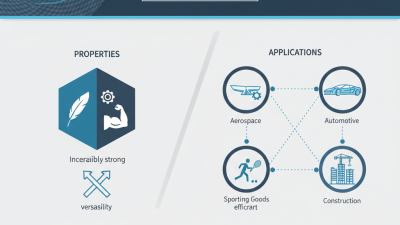
These sheets are lightweight yet incredibly strong, making them ideal for various uses, including aerospace and automotive sectors. They offer remarkable flexibility, allowing for innovative designs that were previously unfeasible. However, buyers face challenges in selecting the right product due to the plethora of options available.
The market is evolving, and not all products meet the same standards. It's crucial to evaluate the sources and manufacturers behind these flexible carbon fiber sheets. Misleading claims can lead to poor choices, reminding us of the necessity for thorough research and reliable information before making a purchase.
Overview of Carbon Fiber Sheets and Their Applications
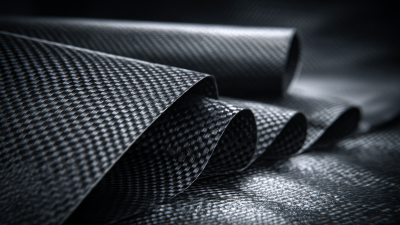
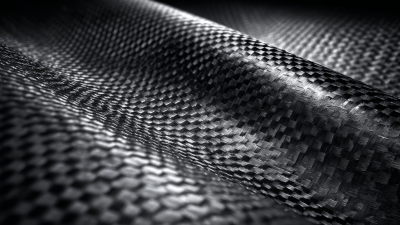
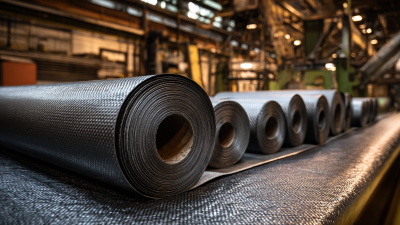
Carbon fiber sheets have revolutionized various industries due to their unique properties. Lightweight yet incredibly strong, these sheets are made by weaving together carbon fibers and embedding them in a resin. This results in a material that boasts a remarkable strength-to-weight ratio. Industry reports indicate that carbon fiber reinforced polymers (CFRPs) are expected to reach $30 billion by 2025, highlighting the growing demand across sectors.
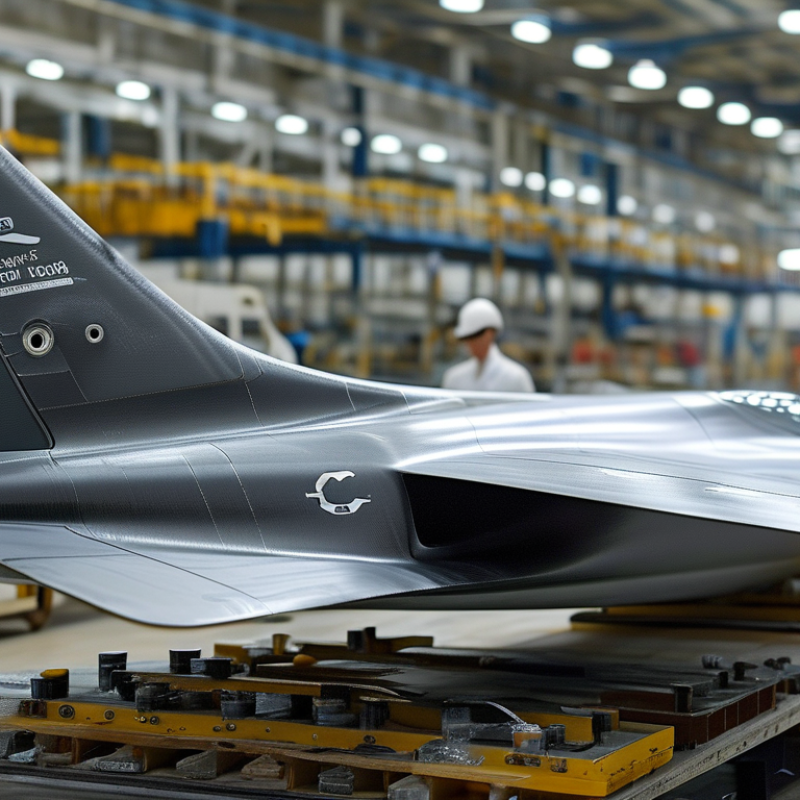
The versatility of carbon fiber sheets enables their use in aerospace, automotive, and sports equipment. In aerospace, carbon fiber components reduce weight, leading to significant fuel savings. In automotive applications, they improve performance and safety without compromising design. Reports have shown that these materials can reduce vehicle weight by up to 50%, enhancing efficiency while maintaining structural integrity.
Despite their advantages, challenges remain. The manufacturing process can be costly, and recycling carbon fiber is not yet widespread. The environmental impact of production processes raises questions about sustainability. Buyers must weigh these factors when considering carbon fiber sheets for their projects. Addressing these issues could enhance the adoption of carbon fiber technology, making it more accessible in various sectors.
Key Factors to Consider When Choosing Flexible Carbon Fiber Sheets
When selecting flexible carbon fiber sheets, certain factors require careful consideration. The thickness of the sheets plays a pivotal role in their flexibility and strength. Generally, sheets range between 0.5 mm and 5 mm. Optimal thickness greatly depends on the intended application. For instance, thinner sheets provide excellent flexibility, while thicker variants offer more structural integrity. This balance is crucial in industries like aerospace, where weight and strength matter.
Another important factor is the resin type used in conjunction with carbon fiber. A study conducted by the Composites Manufacturing Association indicated that epoxy resins, known for their high-temperature resistance, enhance the overall performance of carbon fiber sheets. However, using different resin types can significantly affect durability and weight. Thus, buyers must assess their specific needs regarding environmental exposure and thermal conditions.
Finally, sourcing from reputable manufacturers ensures quality and compliance with industry standards. Buying from recognized suppliers often guarantees that materials have undergone rigorous testing. However, potential buyers must remain cautious. Some suppliers may misrepresent product specifications or performance metrics. Always demand data sheets and certifications to verify claims. It's essential to approach the market with a discerning eye to avoid costly mistakes in material selection.
Best Flexible Carbon Fiber Sheets Comparison
This bar chart illustrates the average values for key factors when evaluating flexible carbon fiber sheets. The dimensions show thickness in millimeters, flexural strength in megapascals, weight in grams per square meter, and cost per square meter in USD.
Top Brands and Manufacturers of Flexible Carbon Fiber Sheets Worldwide
As the demand for flexible carbon fiber sheets rises globally, manufacturers are innovating rapidly. A recent industry report indicates that the flexible carbon fiber market is expected to grow by 15% annually until 2026. This growth is driven by the automotive, aerospace, and sporting goods industries, where lightweight and durable materials are crucial.
Several top brands are recognized for their expertise in carbon fiber products. Their manufacturing processes often involve advanced techniques like resin transfer molding and prepreg methods. These processes enhance the performance characteristics of the sheets. However, sustainability in production remains a challenge. Some manufacturers are still evaluating the environmental impacts of their sourcing and production methods.
Data suggests that innovations in materials are expected. Flexible sheets now demonstrate improved tensile strength and flexibility, vital for many applications. Still, variability in product quality can be an issue. Some buyers report inconsistencies, underscoring the need for rigorous testing and quality control. This aspect should be considered when selecting suppliers for flexible carbon fiber sheets in a competitive market.
Comparative Analysis of Prices for Carbon Fiber Sheets Globally
The global demand for flexible carbon fiber sheets has surged. Buyers are keen to explore various options that suit their specific needs. Price comparison across regions reveals significant variations. For instance, prices can differ markedly between North America and Asia. This disparity is often due to factors like shipping costs and manufacturing processes.
In Europe, the market shows a robust preference for high-quality sheets, often at higher prices. Buyers in this region prioritize durability and strength, which influences their purchasing decisions. Meanwhile, in South America, affordability is a major concern. Buyers often seek economical solutions, sometimes compromising on quality. Understanding these dynamics is crucial for making informed choices.
However, price isn't the only factor to consider. Some buyers may find cheaper options online, only to encounter quality issues post-purchase. This can lead to frustration and additional costs. A careful evaluation of suppliers and materials is necessary. Global buyers should weigh the pros and cons of cost versus quality to make sound investments. Balancing these aspects can be challenging but essential for successful procurement.
Best Flexible Carbon Fiber Sheets for Global Buyers
| Country |
Average Price (USD per Sheet) |
Thickness (mm) |
Flexibility Rating (1-10) |
| USA |
$150 |
2.0 |
8 |
| Germany |
€140 |
2.5 |
9 |
| Japan |
¥18,000 |
1.5 |
7 |
| UK |
£130 |
2.2 |
8 |
| China |
¥1,000 |
2.0 |
10 |
Future Trends in the Market for Flexible Carbon Fiber Sheets
The market for flexible carbon fiber sheets is poised for notable changes. Recent industry reports indicate that the demand is projected to grow at a CAGR of 15% from 2023 to 2030. This growth is driven by various sectors, such as aerospace, automotive, and sporting goods. Flexible carbon fiber sheets offer advantages like lightweight, high tensile strength, and resistance to corrosion, making them increasingly attractive for manufacturers.
Innovation is key in this market. The emergence of new manufacturing processes and technologies is enhancing the performance and versatility of carbon fiber sheets. For instance, advancements in resin systems have improved the flexibility and durability of these materials. Industry experts emphasize that understanding material behavior under different conditions is vital. However, there are challenges, such as cost and sustainability concerns surrounding the lifecycle of carbon fiber products.
Adopting flexible carbon fiber sheets may present a learning curve for manufacturers. The complex production techniques often require skilled labor and specialized equipment. Companies must also evaluate the long-term environmental impact of their choices. Balancing performance with sustainability remains a significant consideration for future trends. As industries evolve, continuously assessing these factors will be crucial for sustained growth.