Explore Flexible Carbon Fiber Sheets for Global Sourcing Needs?
Flexible Carbon Fiber Sheets are revolutionizing various industries with their lightweight yet strong properties. According to Dr. Emily Carter, an expert in composite materials, "The versatility of flexible carbon fiber sheets opens up new opportunities for innovation." This adaptability makes them a vital resource in sectors ranging from aerospace to automotive production.
Manufacturers are increasingly sourcing these sheets globally to meet diverse needs. Their flexibility allows for easy manipulation in design processes. However, the global supply chain can present challenges. Finding reliable suppliers remains a concern for many companies. It's essential to carefully evaluate potential partners to ensure quality.
The growing demand for Flexible Carbon Fiber Sheets indicates a shift toward sustainable and efficient materials. As industries evolve, so will the methods for sourcing these innovative sheets. Companies must stay informed about market trends and technological advancements. Addressing these challenges requires a proactive approach and continuous learning in the ever-changing landscape of composite materials.

Overview of Carbon Fiber Sheets: Properties and Applications
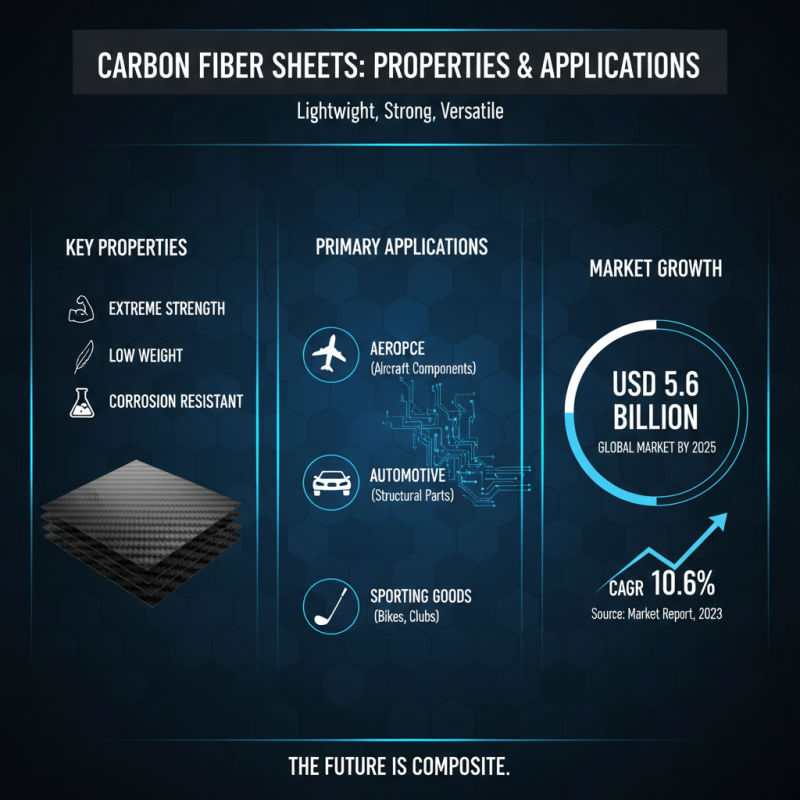
Carbon fiber sheets have gained attention in various industries due to their unique properties. These sheets are lightweight yet extremely strong, which makes them ideal for applications in aerospace, automotive, and sporting goods. According to a recent market report, the global carbon fiber market is projected to reach USD 5.6 billion by 2025, growing at a CAGR of 10.6%. This growth speaks to the increasing demand for these versatile materials.
The tensile strength of carbon fiber can reach up to 600 MPa, with a density of around 1.6 g/cm³. These characteristics allow manufacturers to create components that are not only lightweight but also resistant to corrosion and fatigue. Their resistance to thermal expansion further expands their usability across a range of temperatures and conditions. However, the production process can be complex, contributing to higher costs. Some companies may find it challenging to source these materials sustainably.
Despite their advantages, there's a downside. Carbon fibers can be brittle, which limits their application in certain areas. This brittleness can lead to premature failure under specific conditions. Addressing these shortcomings through research and development is essential for improving reliability. As the market evolves, the need for flexible and sustainable solutions will be paramount. Continuous innovation will shape the future of carbon fiber sheets.
Market Trends in Carbon Fiber Sheet Production and Sourcing
The global market for carbon fiber sheets is evolving rapidly. According to recent market research, the demand is driven by industries such as aerospace, automotive, and sporting goods. In 2022, the carbon fiber composites market size reached $2.5 billion, with a projected Compound Annual Growth Rate (CAGR) of 11% through 2030. This growth reflects the increasing reliance on lightweight materials to enhance performance and fuel efficiency.
Production trends show a significant shift toward sustainable sourcing of carbon fiber sheets. Many manufacturers are exploring innovative methods to create bio-based carbon fibers. Reports indicate that 30% of new production technologies focus on environmentally friendly processes. However, challenges remain. The high cost of raw materials and production processes can hinder widespread adoption. Many companies grapple with balancing cost and performance while ensuring quality.
As sourcing needs evolve, regional disparities in production capabilities are apparent. North America and Europe lead in technological advancements, but Asia-Pacific is catching up. In 2023, Asia-Pacific's carbon fiber sheet production increased by 15%. This presents both opportunities and risks for suppliers. Companies must be agile in their sourcing strategies to stay competitive. Understanding these trends is critical for businesses aiming to thrive in the carbon fiber market.
Cost Analysis of Flexible Carbon Fiber Sheets in Global Markets
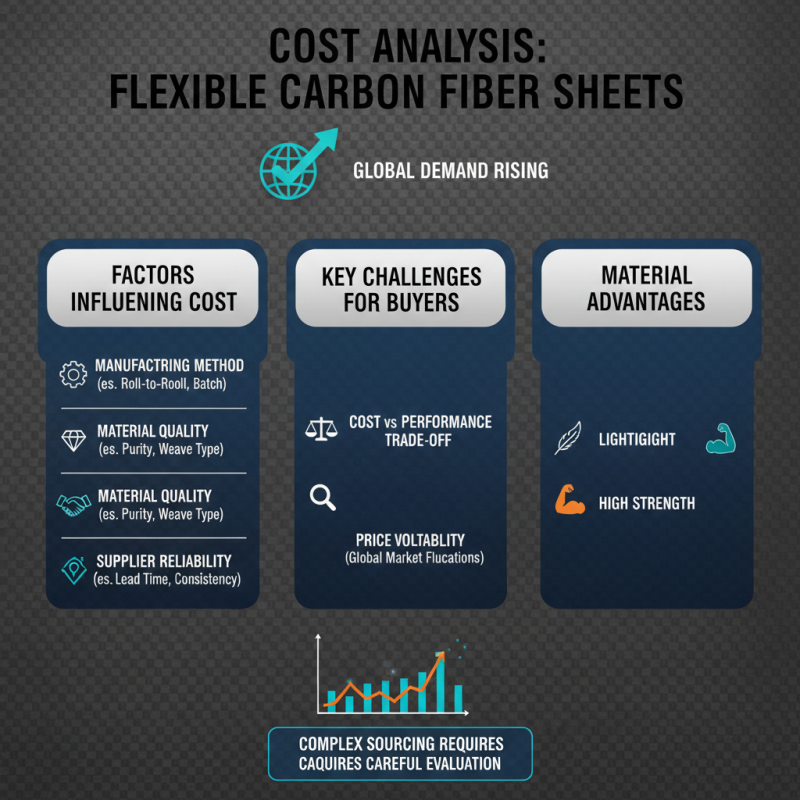
The demand for flexible carbon fiber sheets has been rising in various global markets. These sheets are favored due to their lightweight and high strength. However, a cost analysis reveals the complexities involved in sourcing these materials. Price variations can stem from differences in manufacturing methods, material quality, and supplier reliability. Buyers often face challenges when attempting to balance cost versus performance.
In regions with advanced composites industries, prices tend to be higher due to better technology and expertise. In contrast, emerging markets may offer lower prices but could compromise on quality. This discrepancy raises questions about the true value of flexibility and strength in actual applications. Import tariffs and shipping expenses further complicate the cost landscape.
Stakeholders must assess these factors carefully. Local regulations and sustainability practices can influence sourcing decisions. A well-rounded approach includes examining not only initial costs but long-term performance and environmental impact. With evolving technologies, there are opportunities for innovation in sourcing flexible carbon fiber sheets. Companies need to stay informed about market trends and engage with knowledgeable suppliers to navigate this evolving landscape.
Sustainability in Carbon Fiber Manufacturing and Sourcing Practices
Carbon fiber has gained significant attention in recent years. Its lightweight and strong properties make it a popular choice across various industries. However, as the demand for carbon fiber grows, so do the concerns about sustainability in its production and sourcing.
Manufacturing carbon fiber often involves energy-intensive processes. These can contribute to a substantial carbon footprint. Companies are exploring methods to use renewable energy sources during production. They are also investigating recycled carbon fiber options, which can help reduce waste. These efforts are commendable but not without challenges. The technology for recycling carbon fiber is still in its infancy, and scaling up production to meet global needs remains a hurdle.
Sourcing practices for carbon fiber must also evolve. Transparency in the supply chain is vital. Buyers should consider the environmental impact of their sourcing decisions. It is crucial to engage with suppliers who prioritize sustainability. However, the balance between cost and sustainability can be tricky. While these practices aim for eco-friendliness, they require ongoing evaluation and improvement. The journey towards sustainable carbon fiber is complex, and continuous reflection on methods and practices is essential.
Explore Flexible Carbon Fiber Sheets for Global Sourcing Needs
| Material Type |
Thickness (mm) |
Dimensions (mm) |
Weight (g/m2) |
Sourcing Availability |
Sustainability Rating |
| Standard Carbon Fiber |
0.5 |
1000 x 1000 |
200 |
In Stock |
Green |
| High-Performance Carbon Fiber |
2.0 |
1200 x 1200 |
400 |
Pre-Order |
Moderate |
| Flexible Carbon Fiber |
1.0 |
1500 x 1500 |
250 |
Available |
High |
| Eco-Friendly Carbon Fiber |
1.5 |
1000 x 2000 |
300 |
In Stock |
Very High |
Innovative Technologies in Carbon Fiber Sheet Design and Fabrication
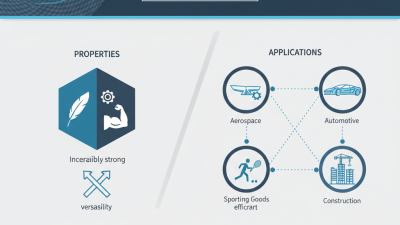
Carbon fiber sheets are revolutionizing various industries with their unique properties. The lightweight nature combined with high strength makes them ideal for applications in aerospace, automotive, and construction. According to a recent market research report, the global carbon fiber market is expected to grow at a CAGR of 9% from 2023 to 2030. This growth highlights the increasing demand for innovative technologies in carbon fiber sheet design and fabrication.
Fabrication techniques have evolved significantly, enabling more precise and efficient production of carbon fiber sheets. Advanced methods such as automated fiber placement (AFP) and resin transfer molding (RTM) enhance the consistency and quality of the final products. These technologies allow for customization, catering to specific needs in various sectors. However, challenges remain in the adoption of these innovations. Not all manufacturers have access to the latest technologies, which can lead to disparities in product availability and quality.
Tips: When sourcing carbon fiber sheets, consider the manufacturing process. Look for suppliers that employ state-of-the-art techniques. This can ensure you receive high-quality materials tailored to your needs. Additionally, keep an eye on certifications and compliance with industry standards to guarantee reliability. Exploring various sourcing options can reveal new opportunities and enhance your supply chain strategy.
Global Sourcing Needs for Carbon Fiber Sheets