2026 How to Cut Carbon Fiber Sheets Like a Pro?
As industries increasingly embrace lightweight materials, carbon fiber sheets have gained significant traction. According to a report from MarketsandMarkets, the global carbon fiber market is projected to reach $5.2 billion by 2025. Carbon fiber sheet cutting plays a crucial role in manufacturing processes across automotive, aerospace, and sporting goods sectors.
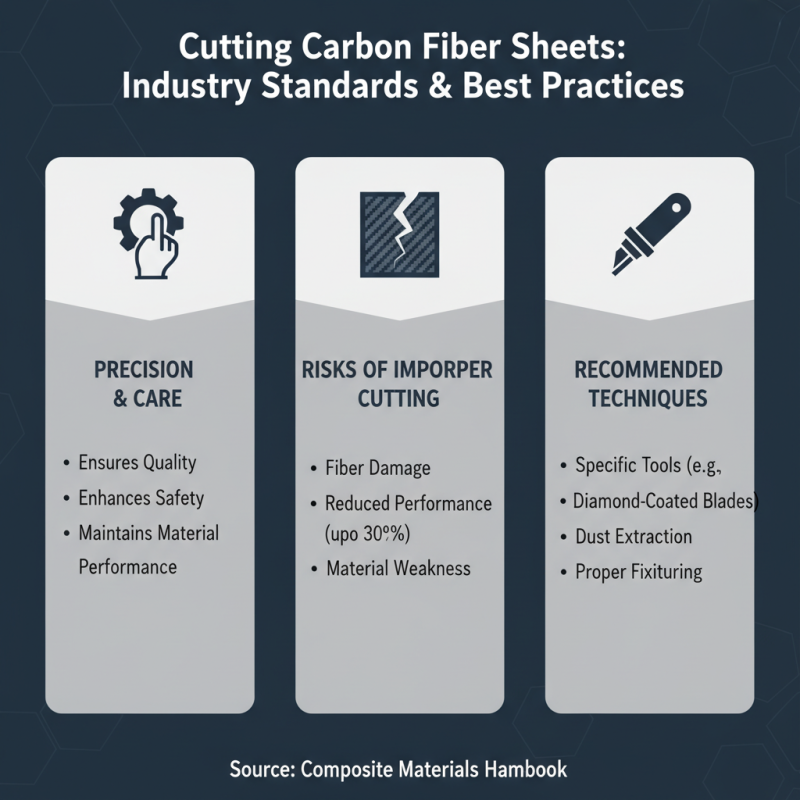
However, cutting these sheets is not as simple as it may appear. Precision is key, and improper techniques can lead to disastrous results. Many professionals still face challenges regarding tool selection and cutting methods. It is not uncommon for a novice to underestimate the complexity involved. Reports suggest that suboptimal cutting techniques can cause fibers to fray or delaminate, ultimately compromising the integrity of the material.
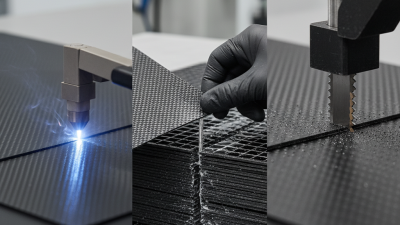
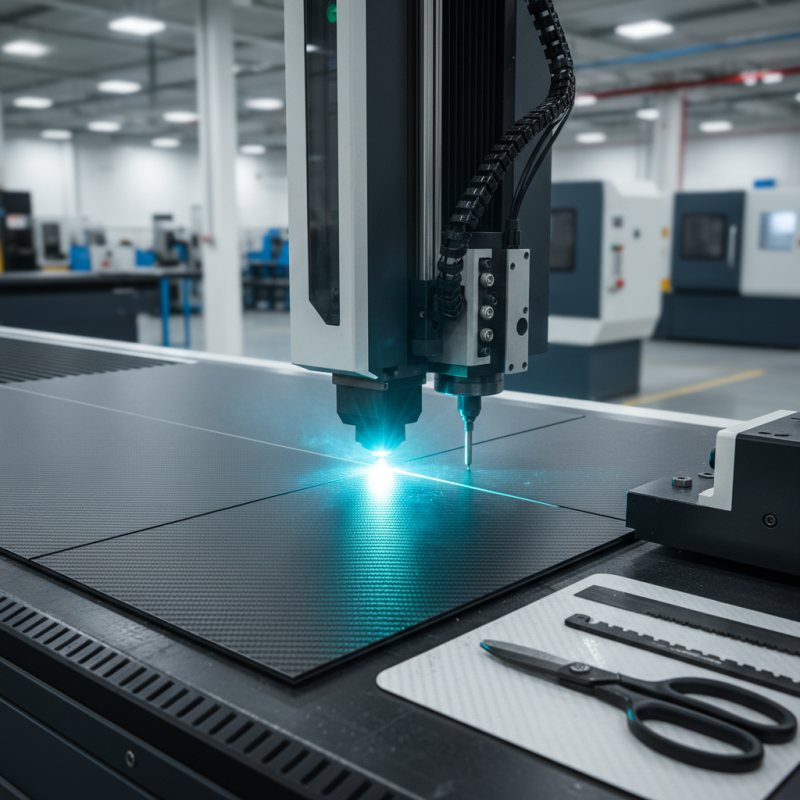
To master carbon fiber sheet cutting, one must understand both the tools and the techniques. Familiarity with laser, waterjet, and CNC cutting systems is essential. Each method has its pros and cons, which can significantly influence the final product quality. As the demand for carbon fiber rises, mastering these cutting techniques will become increasingly important for professionals aiming to deliver high-quality components.
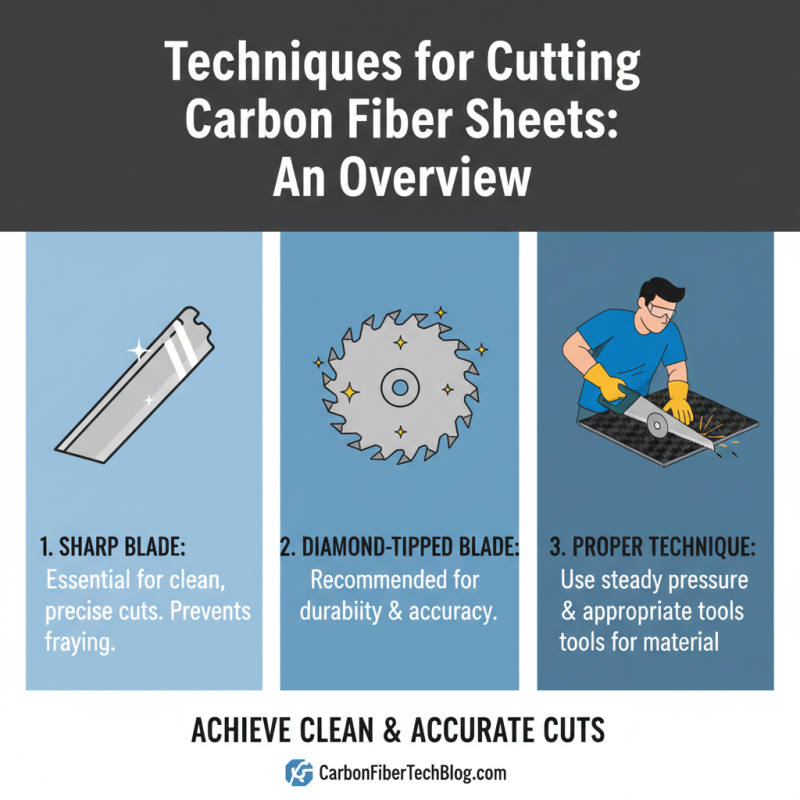
Techniques for Cutting Carbon Fiber Sheets: An Overview
Cutting carbon fiber sheets can be challenging due to their unique properties. The right techniques are crucial to achieve clean and accurate cuts. First, a sharp blade is essential. A dull blade can fray the edges and ruin the project. Using a diamond-tipped blade is often recommended. It offers precision and durability, helping prevent damage to the fibers.
Hand tools can work well for small projects. A manual saw allows for control, but it requires patience. Be mindful of pressure; excessive force can lead to cracks. For larger tasks, power tools may be more effective. A jigsaw or a CNC machine provides speed and accuracy. However, these tools demand experience and care.
It's important to wear appropriate protective gear. Dust from carbon fiber can irritate the lungs and skin. Some workers overlook this aspect, leading to health issues later. After cutting, inspect the edges; they may need sanding to achieve a smooth finish. Mistakes can happen, like uneven cuts or splinters. Reflecting on these errors helps improve skills over time.
Essential Tools for Precision Cutting of Carbon Fiber
When cutting carbon fiber sheets, precision is key. This material is known for its strength and lightweight properties. However, its structure can make cutting a challenging task without the right tools. Industry reports indicate that improperly cut carbon fiber can lead to costly errors and wasted materials, with scrap rates reaching up to 25% in some scenarios.
For professional results, start with a high-quality cutting tool specifically designed for carbon fiber. Options include diamond-coated blades and specialized shears. These tools reduce fraying and provide clean edges, important for the integrity of your projects. A saw with a high RPM can effectively slice through thicknesses of 0.5 mm to 6 mm. Notably, cutting speeds influence the quality of the cut. Too slow may cause overheating, while too fast can lead to uneven edges.
In addition to tools, proper preparation is essential. Ensure your workspace is clean and organized. Secure the carbon fiber sheets to avoid movement during cutting. This practice minimizes the risk of mistakes. Insights from the Composite Manufacturing Journal show that well-prepared setups can enhance efficiency by up to 40%. However, even experienced professionals still encounter challenges. Adjustments are often needed based on the specific material and tool combinations. Understanding these nuances is crucial for achieving optimal results.
2026 How to Cut Carbon Fiber Sheets Like a Pro? - Essential Tools for Precision Cutting of Carbon Fiber
| Tool Type |
Description |
Advantages |
Price Range |
| Jigsaw |
A power tool with a straight blade for cutting curves and intricate shapes. |
Versatile; easy to handle; great for detailed cuts. |
$100 - $300 |
| CNC Router |
Computer-controlled cutting machine ideal for precision work. |
High accuracy; can handle complex designs. |
$2,000 - $20,000 |
| Dremel Tool |
A rotary tool with various attachments for detailed cuts and engravings. |
Compact; versatile; perfect for intricate designs. |
$50 - $150 |
| Carbon Fiber Scissors |
Specialized scissors designed to cut carbon fiber materials smoothly. |
Easy to use; no power required; precise for small cuts. |
$30 - $80 |
| Diamond Blade Saw |
A saw equipped with a diamond blade for high-quality cuts. |
Long-lasting; effective for thick sheets. |
$150 - $400 |
Understanding the Properties of Carbon Fiber for Effective Cutting
Cutting carbon fiber sheets requires a solid understanding of their unique properties. Carbon fiber is known for its high strength-to-weight ratio and stiffness. According to a recent report from the Carbon Fiber Composite Industry, this material has a tensile strength of over 500 MPa. This strength, while advantageous in applications, poses challenges when cutting. Operators must use sharp tools and appropriate cutting techniques to avoid fraying or damage.
The brittleness of carbon fiber also plays a critical role in the cutting process. Improper cutting can lead to micro-cracks that degrade the structural integrity of the sheet. It’s essential to maintain a consistent feed rate to minimize pressure buildup. Studies indicate that a feed rate exceeding 300 mm/min can increase the risk of delamination. Adjusting cutting speeds and using the right cooling agents can greatly enhance precision.
Moreover, operator experience is vital in achieving high-quality cuts. An informal survey of industrial cutters revealed that 70% acknowledged needing more training. Users often overlook the importance of maintaining tools. Dull blades can compromise the cutting process, leading to undesirable results. Refining these aspects is critical for achieving professional outcomes in carbon fiber fabrication.
Carbon Fiber Cutting Efficiency
Safety Measures When Working with Carbon Fiber Materials
Working with carbon fiber materials requires a keen focus on safety. The tiny fibers can be hazardous if inhaled or come into contact with skin. Wearing a high-quality dust mask or respirator is crucial. This will protect your lungs from harmful particles. Additionally, using gloves can prevent skin irritation. Always prioritize your health when cutting carbon fiber sheets.
Creating a safe workspace is equally important. Ensure proper ventilation in the area where you work. This helps to disperse airborne particles. Keep your workspace clean to minimize the risk of accidents. A cluttered area can lead to slips and mishaps. Having a designated zone for cutting will lead to better organization, reducing hazards.
It’s essential to recognize the potential hazards of using power tools. Machines can produce heat and sparks, especially when cutting dense materials. Regularly inspect your equipment for wear and tear. Improperly maintained tools can fail unexpectedly. Always follow the manufacturer's recommendations for each tool, applying caution at all times. This attention to detail can prevent serious injuries.