2026 How to Source Forged Carbon Sheet for Your Business?
The demand for advanced materials like forged carbon sheets is surging. According to recent industry reports, the global market for carbon composites is projected to grow at a CAGR of 12% from 2023 to 2028. This growth reflects a rising interest in high-performance materials across various sectors, including aerospace and automotive. Forged carbon sheets offer distinct advantages, such as superior strength-to-weight ratios and enhanced durability.
Sourcing quality forged carbon sheets requires a grasp of market trends and supplier capabilities. Companies must prioritize partnerships with reputable manufacturers to ensure consistent quality and reliability. The process involves evaluating suppliers based on their experience and technological expertise in forging carbon materials. A reliable supplier should possess industry certifications and a proven track record.
However, not every supplier meets the necessary standards. Businesses need to perform thorough due diligence. This may include requesting samples or peer reviews. Prospective buyers must reflect on their specific needs and the complexities involved in material selection. Available options might seem overwhelming, and navigating these choices requires critical assessment and strategic planning. Careful sourcing can transform the benefits of forged carbon sheets into tangible business advantages.

Understanding Forged Carbon Sheet: Definition and Applications
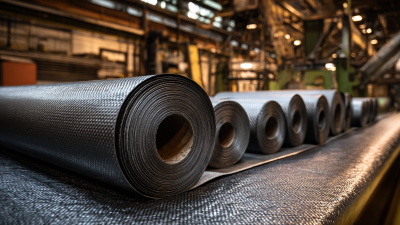
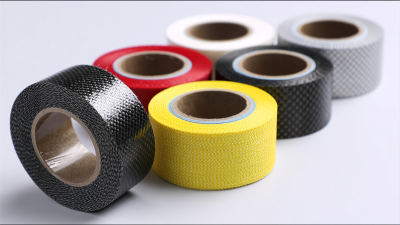
Forged carbon sheets are becoming increasingly popular in various industries, thanks to their unique properties. These sheets are made from a blend of carbon fibers and resin, resulting in a lightweight yet strong material. The production process involves compressing and heating the materials, which creates a dense and durable final product.
Applications of forged carbon sheets are diverse. They are widely used in automotive manufacturing, aerospace components, and sporting goods. The lightweight nature of forged carbon enhances performance while reducing fuel consumption in vehicles. In aerospace, it contributes to weight reduction, which is crucial for efficiency.
Despite their benefits, sourcing forged carbon sheets can be challenging. Quality and consistency vary among suppliers. Businesses should establish clear specifications and conduct thorough research before purchasing. It is essential to ensure the supplier can meet these requirements. Testing samples before large orders can help avoid costly mistakes. Understanding the production process will also aid in making informed decisions.
Identifying Reliable Suppliers for Forged Carbon Sheet Procurement
When sourcing forged carbon sheet, finding reliable suppliers is crucial. Start by researching companies known for quality materials. Look for suppliers with a proven track record in the industry. Gather feedback from their existing clients. Personal experiences can provide valuable insights into their reliability.
Evaluate the supplier’s certifications and industry standards. Quality assurance is vital. Suppliers should comply with relevant regulations and provide testing documentation. This ensures the product meets required specifications. Don’t hesitate to request samples to assess material quality. It’s a tangible way to judge their offerings.
Consider the supplier's ability to scale with your needs. Flexibility in order quantities can be a significant advantage. Communication is also essential. Engage with potential suppliers to understand their responsiveness. Trust is built through clear and open dialogue. A strong relationship can lead to better pricing and service over time.
Evaluating Quality Standards and Certifications for Forged Carbon
When sourcing forged carbon sheets, understanding quality standards and certifications is crucial. These materials are often used in industries like automotive, aerospace, and sporting goods. However, not all forged carbon sheets are created equal. Evaluating the quality and reliability of suppliers helps ensure your investment is worthwhile.
Look for certifications that verify compliance with industry standards. ISO certifications are commonly sought after, indicating a commitment to quality management. Additionally, checking for ASTM standards can provide details about the material’s properties and performance. These frameworks often include stress tests and durability assessments. Always request documentation and test results from suppliers.
Beyond certifications, consider the supplier's experience and reputation in the market. Engage in conversations about their production processes and quality control measures. A supplier's transparency reflects their commitment to quality. If a supplier hesitates to provide information, it might be a red flag. Reputation matters; seek testimonials and reviews. This background will help build trust and inform your purchasing decisions.
Comparative Analysis of Sourcing Methods for Forged Carbon Sheet
When sourcing forged carbon sheets, businesses must explore various methods. Each option has its advantages and drawbacks. According to a recent market report, the global forged carbon market is projected to reach $XX billion by 2026, growing at a rate of X% annually. Understanding the implications of each sourcing method can streamline the purchasing process.
Sourcing directly from manufacturers can yield cost savings. However, it often requires minimum order quantities that may not suit smaller businesses. On the other hand, intermediaries provide access to smaller quantities, but they may increase prices. A survey conducted by a leading industry research firm revealed that 65% of businesses prefer direct sourcing for quality assurance, though not all possess the necessary volume to justify minimum orders.
Innovative platforms are gaining traction, offering direct connections between buyers and suppliers. These digital solutions enable companies to compare prices and specifications swiftly. Still, the challenge lies in vetting supplier reliability. A case study indicated that approximately 30% of online suppliers could not meet quality standards. Therefore, thorough research is essential before settling on a supplier. In this dynamic market, reflection on sourcing decisions will lead to more informed choices.
Cost Considerations and Budgeting for Forged Carbon Sheet Purchase
When planning to purchase forged carbon sheets, understanding the cost implications is crucial. The market for forged carbon is growing, with a report from Grand View Research indicating that the industry is projected to reach $1.6 billion by 2025. This anticipated growth highlights the increasing demand for forged carbon sheets across various sectors, including automotive and aerospace.
Cost factors depend on several variables. Thickness, size, and sourcing location all impact pricing. For example, sourcing sheets from domestic manufacturers may result in a higher cost, but potential benefits include faster delivery and reduced shipping expenses. Conversely, importing sheets could save money but may also introduce risks related to tariffs and logistics.
Budgeting for this type of material requires careful planning. It's important to track market trends and stay informed about raw material prices. The volatility of carbon fiber pricing makes budgeting difficult. A recent study found that fluctuations could lead to up to a 20% variance in project costs. Businesses need to set aside a contingency fund for unexpected increases in material costs. This approach provides flexibility as the market evolves.