2026 Top Carbon Fiber Mesh Fabric for Global Buyers?
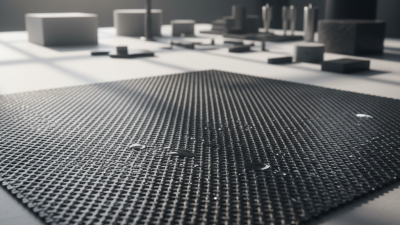
In the evolving world of textile innovation, Carbon Fiber Mesh Fabric stands out as a game-changer. Renowned expert Dr. Emily Carter states, "The versatility of Carbon Fiber Mesh Fabric opens new doors for industries seeking strength and lightweight solutions." As global buyers prepare for 2026, understanding this material’s potential becomes vital.
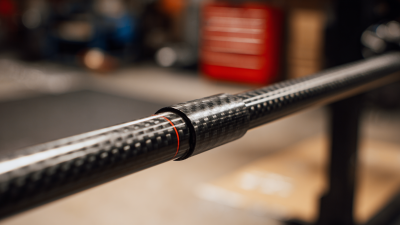
Carbon Fiber Mesh Fabric is not just about high tensile strength. Its applications range from aerospace to sports equipment. Industries are rapidly adopting this fabric for its unique properties. However, some buyers may still struggle to recognize its benefits. Manufacturers are working hard to bridge this knowledge gap.
While the advantages are clear, the market still faces challenges. Sourcing quality Carbon Fiber Mesh Fabric can be daunting. Buyers must navigate pricing, availability, and sustainability concerns. As we approach 2026, informed decisions will be crucial for leveraging its full potential. Understanding these nuances can lead to successful purchases and innovative applications.
Overview of Carbon Fiber Mesh Fabric: Features and Benefits
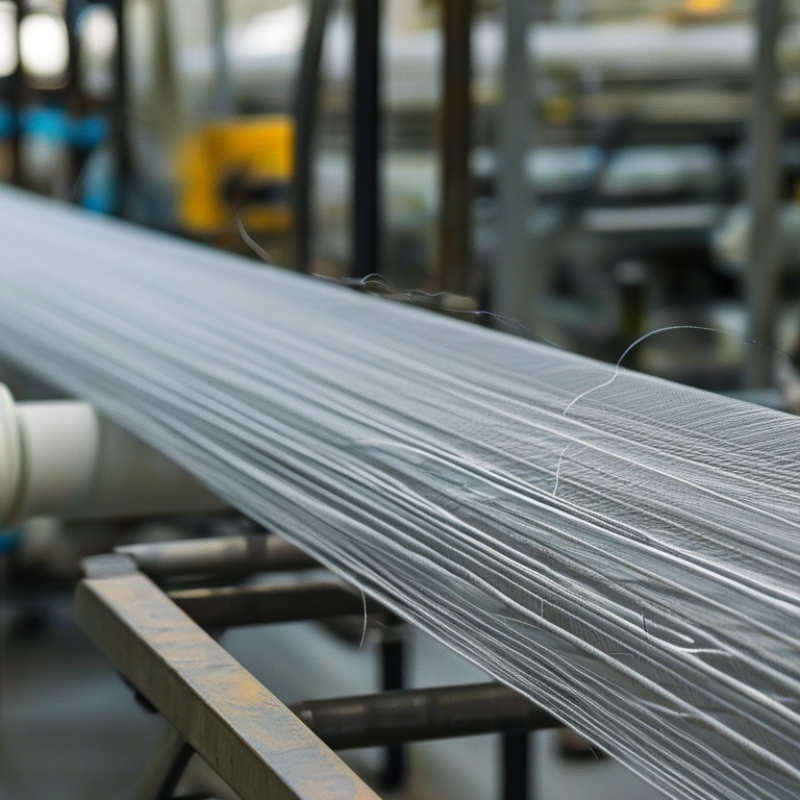
Carbon fiber mesh fabric is gaining attention for its unique properties. Lightweight yet durable, it offers excellent strength-to-weight ratios. This material is widely used in various industries such as automotive, aerospace, and sports equipment. The innovative weave structure enhances flexibility while maintaining rigidity.
One notable feature is its resistance to corrosion and high temperatures. This makes it suitable for demanding applications. Additionally, carbon fiber mesh provides excellent thermal conductivity. Users appreciate the balance of performance and weight savings. However, the high cost remains a consideration.
While the benefits are clear, some challenges exist. Not all manufacturers meet quality standards. Buyers should ensure they source from reputable suppliers. Inconsistent product quality can lead to performance issues. Thoughtful selection is essential to maximize the advantages of carbon fiber mesh fabric.
Types of Carbon Fiber Mesh Fabrics Available in 2026
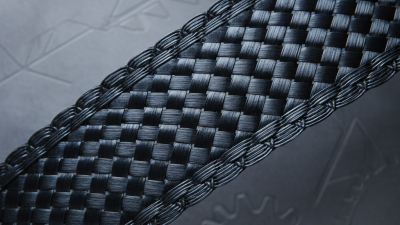
In 2026, the world of carbon fiber mesh fabrics offers exciting varieties for buyers. These materials have different characteristics that cater to diverse applications. A prominent type is the woven carbon fiber mesh, known for its strength and flexibility. It consists of interlaced fibers, providing robust support while remaining lightweight.
Another option is non-woven carbon fiber mesh, which offers unique properties. This fabric type uses a different manufacturing process, resulting in increased durability. It’s ideal for projects that require high resistance to wear and tear. Various mesh sizes are available, allowing users to choose according to their needs. Smaller meshes provide finer details, while larger ones offer sturdiness.
Buyers should also consider the varying treatments applied to these fabrics. Some meshes come with coatings for additional protection, enhancing weather resistance. However, one must critically assess the trade-offs between weight and strength. Not all treatments are suitable for every application. Understanding these factors can significantly impact the outcome of projects using carbon fiber mesh fabrics.
Key Global Markets for Carbon Fiber Mesh Fabric
The carbon fiber mesh fabric market is rapidly expanding, attracting global attention. Key markets include North America, Europe, and Asia-Pacific. In North America, industries such as aerospace and automotive drive demand. Manufacturers look for lighter materials to enhance fuel efficiency and performance.
In Europe, there is a focus on innovation. Countries like Germany and France invest heavily in research. This has led to the development of advanced carbon fiber composites. As sustainability becomes a priority, these markets seek eco-friendly solutions while maintaining high-quality standards.
Tips: When considering carbon fiber mesh, assess the specific application. Different industries require unique properties. Ensure compatibility with existing materials. Additionally, keep an eye on emerging markets in South America and the Middle East. The demand there is on the rise, presenting new opportunities.
Selection Criteria for Buyers of Carbon Fiber Mesh Fabric
When selecting carbon fiber mesh fabric, buyers must understand various criteria that influence their choices. The fabric's weight and tensile strength are crucial factors. Lightweight fabrics often enhance performance in applications, while high tensile strength ensures durability. According to recent market research by Transparency Market Research, the global carbon fiber market is projected to reach $30 billion by 2026, highlighting the increasing demand for quality materials.
Another significant criterion is the fabric's weave pattern. A tight weave can provide better strength and resistance to environmental factors. Additionally, coatings can enhance resistance to chemicals and UV light, which is vital for outdoor applications. Buyers should also consider the source of the material. Raw materials should meet industry standards, as inconsistency can lead to subpar performance.
Finally, cost efficiency plays a critical role. While cheaper options may seem attractive, they often compromise quality. A report from MarketsandMarkets suggests that performance-driven applications prioritize quality over cost, focusing on long-term benefits. Thoughtful evaluation of these criteria will lead to better purchasing decisions in the evolving carbon fiber market.
Future Trends in Carbon Fiber Mesh Fabric Development
As the demand for lightweight materials grows, carbon fiber mesh fabric is gaining attention. Reports suggest the global carbon fiber composite market will exceed $45 billion by 2026. This surge reflects an increasing interest in applications across aerospace, automotive, and sports industries. The lightweight and high-strength properties of carbon fiber make it an attractive option for manufacturers.
Future trends indicate a focus on sustainability in production. Researchers are exploring bio-based carbon fibers as alternatives to traditional petroleum-derived materials. These innovations aim to reduce environmental impact while maintaining competitive performance. Advanced manufacturing techniques like 3D printing are also emerging. They allow for better customization and faster production rates, addressing the specific needs of various sectors.
Despite these advancements, challenges remain. The high cost of raw materials and production processes still limits widespread adoption. Companies face pressure to innovate while managing expenses. The need for improved recycling processes is evident. Without effective solutions, sustainability goals may falter. Balancing performance and environmental responsibility will be crucial in the carbon fiber mesh fabric's evolution.
2026 Top Carbon Fiber Mesh Fabric for Global Buyers
| Fabric Type |
Weight (gsm) |
Tensile Strength (MPa) |
Elongation (%) |
Applications |
| Standard Carbon Fiber Mesh |
200 |
3500 |
1.5 |
Aerospace, Automotive |
| High-Strength Carbon Fiber Mesh |
250 |
4200 |
2.0 |
Sports Equipment, Industrial |
| Ultra-Light Carbon Fiber Mesh |
150 |
3000 |
2.5 |
Consumer Electronics, Medical |
| Conductive Carbon Fiber Mesh |
220 |
3600 |
1.8 |
Electronics, Aerospace |
| Reinforced Carbon Fiber Mesh |
300 |
5000 |
2.2 |
Construction, Automotive |