Top Uses of Carbon Fiber Laminate Sheet in Modern Industries?
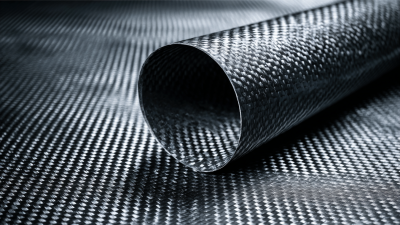
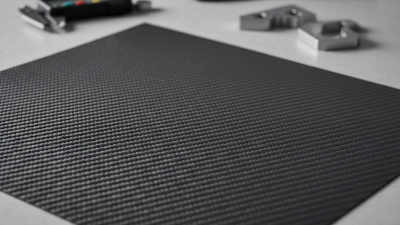
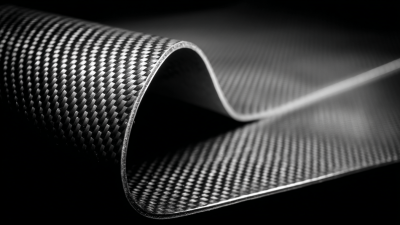
Carbon Fiber Laminate Sheet has revolutionized modern industries with its lightweight and durable characteristics. This advanced material is increasingly being adopted across various sectors. Its unique properties allow for significant improvements in product performance and efficiency.
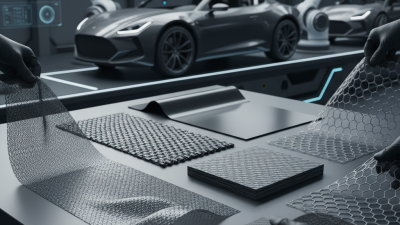
In the aerospace sector, Carbon Fiber Laminate Sheet enhances structural integrity while reducing weight. This means aircraft can fly farther with less fuel. Similarly, in the automotive industry, manufacturers use this material to produce high-performance vehicles. These cars benefit from higher speeds and better fuel economy.
However, challenges still exist. The cost of Carbon Fiber Laminate Sheet can be high, limiting its use in some applications. Additionally, the recycling process for carbon fiber products poses sustainability issues. Nevertheless, ongoing research aims to address these concerns, ensuring that this remarkable material remains a key player in future innovations.

Applications of Carbon Fiber Laminate Sheets in Aerospace Engineering
Carbon fiber laminate sheets have revolutionized aerospace engineering by offering lightweight yet strong materials.
These sheets are significant for aircraft components, reducing overall weight while enhancing structural integrity.
Their high strength-to-weight ratio allows engineers to design more fuel-efficient aircraft, which is critical in today's environmental context.
The use of carbon fiber in aerospace goes beyond merely reducing weight. It plays a key role in the manufacturing of parts such as fuselages, wings, and tail structures.
However, the challenge lies in the cost of carbon fiber production.
While it offers benefits, its expense can limit widespread adoption. Engineers must weigh these factors carefully to find a balance that serves the industry effectively.
These laminate sheets also require precise handling and curing processes. Inexperience can lead to defects, such as air bubbles or improper bonding.
Engineers must maintain strict quality controls to ensure reliable performance. Such oversight is essential, as any failure in critical components can result in severe consequences in aviation safety.
The journey toward mastery in utilizing carbon fiber continues, reminding innovators of the need for ongoing learning and improvement.
Utilization of Carbon Fiber Laminate in Automotive Industries
Carbon fiber laminate sheets are revolutionizing the automotive industry. Their lightweight nature significantly enhances fuel efficiency. Cars made with these materials often achieve better performance and handling than those using traditional metals. Reducing weight is crucial in modern design, and carbon fiber excels in this area.
Manufacturers are exploring various applications of carbon fiber in vehicles. For instance, structural components, body panels, and interior accents are now common. These sheets offer excellent strength-to-weight ratios. They are resistant to corrosion, which extends vehicle longevity. However, the production process can be complex and expensive.
While carbon fiber brings numerous benefits, challenges remain. The cutting and shaping of these materials require specialized skills. As the industry embraces sustainability, sourcing raw materials responsibly becomes essential. Balancing performance with cost and environmental impact invites ongoing discussion. The future holds potential, but awareness of these issues is vital.
Innovative Uses of Carbon Fiber Laminate in Sports Equipment
Carbon fiber laminate has transformed the sports equipment industry. This material is known for its exceptional strength and lightweight characteristics. Athletes benefit from gear that enhances performance without adding bulk. In cycling, for instance, carbon fiber components significantly reduce the overall weight of bicycles. This contributes to better speed and endurance during races.
In addition, carbon fiber laminate is frequently used in the production of high-performance tennis rackets. The rigidity of carbon fiber allows for precise ball control. Players find that they can swing effortlessly without sacrificing power. Similarly, in the world of surfboards, carbon fiber reinforcement helps create boards that are both durable and responsive on the waves. The combination of speed and maneuverability is essential for competitive surfers.
However, the high cost of carbon fiber can be a concern. Not every athlete can afford the latest gear. The environmental impact of producing carbon fiber also raises questions. While it offers performance benefits, the production process may not be sustainable. These factors remind us to consider both the advantages and drawbacks of using carbon fiber laminate in sports equipment.
Role of Carbon Fiber Laminate Sheets in Industrial Manufacturing
Carbon fiber laminate sheets are essential in modern industrial manufacturing. These sheets are lightweight yet incredibly strong, making them ideal for various applications. Industries such as aerospace, automotive, and construction rely on their durability. A carbon fiber laminate can withstand extreme conditions while providing excellent thermal and electrical insulation. This reliability ensures that products endure heavy usage without failing.
In aerospace, carbon fiber is used in airframes and other components. Its low weight contributes to better fuel efficiency. In automotive manufacturing, it enhances performance by reducing overall vehicle weight. However, the production process can be complex and requires careful handling. Not all manufacturers have the expertise to work with these materials.
Moreover, while carbon fiber laminate is beneficial, it is not without challenges. Recycling carbon fiber is still a developing field, and waste management poses problems. Companies must adapt production methods to minimize environmental impacts. Understanding these challenges ensures that industries make informed decisions in utilizing carbon fiber sheets effectively.
Advantages of Carbon Fiber Laminate in Construction and Architecture
Carbon fiber laminate sheets have transformed the construction and architecture industries. Their primary advantages stem from their exceptional strength-to-weight ratio. Reports indicate that carbon fiber is five times stronger than steel but weighs significantly less. This property allows architects to design structures that are both lighter and more durable.
Moreover, carbon fiber laminates resist corrosion, making them ideal for harsh environments. A study by the American Society of Civil Engineers highlighted that buildings utilizing carbon fiber reinforcement exhibited 50% less wear over a decade. This durability translates to lower maintenance costs. However, the initial investment is often high. Some projects may find the cost prohibitive despite long-term savings.
Sustainability is another aspect to consider. While carbon fiber’s production poses environmental challenges, ongoing research aims to enhance recycling methods. Innovations could mitigate these concerns, making carbon fiber more attractive. Therefore, while it may not be the ultimate solution for every project, its potential benefits warrant serious consideration in modern architectural practices.