How to Use Forged Carbon Sheet in Your Projects?
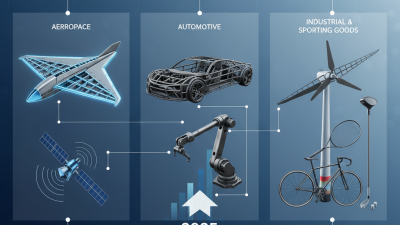
Forged Carbon Sheet has emerged as a revolutionary material in various industries, especially in aerospace and automotive sectors. According to a report by ResearchAndMarkets, the global carbon fiber market is expected to reach $38.4 billion by 2025. This growth highlights the increasing demand for durable and lightweight materials like Forged Carbon Sheet. These sheets offer excellent tensile strength and corrosion resistance, making them ideal for demanding applications.
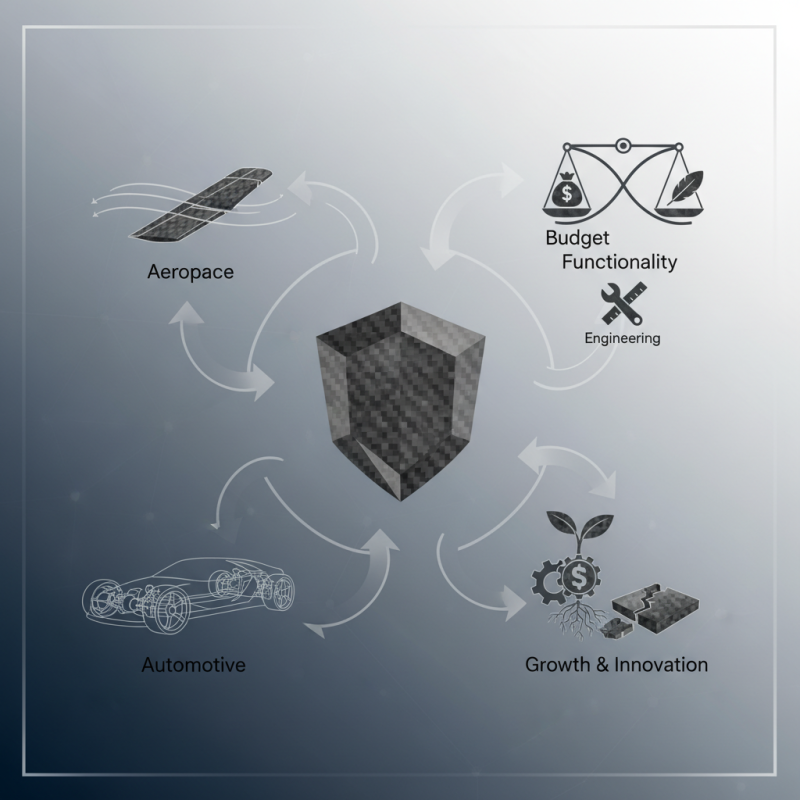
When considering its application, it’s essential to understand the properties that Forged Carbon Sheet brings to the table. It has a unique combination of aesthetics and performance, appealing to designers and engineers. However, not all projects benefit from its high cost; many still use traditional materials. Balancing functionality and budget can challenge decision-makers.
Additionally, while Forged Carbon Sheet can enhance product design, not all applications require this level of performance. Some projects may suffer from over-engineering, resulting in unnecessary expenses. Therefore, careful consideration of the project's needs is crucial. Selecting the right materials should align with the intended functionality and budget constraints. This reflection helps in leveraging Forged Carbon Sheet effectively in your projects.
Understanding Forged Carbon Sheet: Material Properties and Applications
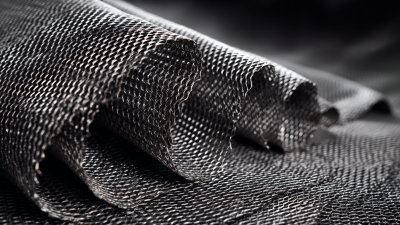
Forged carbon sheet is gaining attention in various industries. This material uniquely combines strength and lightweight properties. It is made of carbon fibers, compressed under heat and pressure. Such processing enhances its mechanical capabilities. Reports indicate that forged carbon exhibits improved tensile strength, achieving values over 1400 MPa. This makes it suitable for demanding applications.
In automotive and aerospace sectors, forged carbon sheets are utilized in structural components. They provide optimal stiffness while minimizing weight. This balance is essential for energy efficiency. However, not every engineered application benefits from this material. Some designs require alternatives for cost or performance.
Forged carbon also shows promise in consumer products. Watches and sports equipment often utilize it for aesthetic and functional purposes. Yet, the production process can lead to imperfections. These flaws sometimes hinder large-scale adoption. Overall, understanding the properties of forged carbon is crucial for effective usage in projects.
Key Benefits of Using Forged Carbon Sheets in Engineering Projects
Forged carbon sheets are rapidly gaining traction in engineering projects. They provide unique advantages over traditional materials. One critical benefit is improved strength-to-weight ratio. Data suggests that forged carbon can be up to 40% lighter than steel while maintaining comparable strength. This makes it an excellent choice for industries focusing on efficiency.
Another key advantage is enhanced durability. Forged carbon sheets exhibit high resistance to impact and wear. For example, automotive applications have started to use these sheets to reduce vehicle weight without compromising safety. Additionally, they are less prone to corrosion, increasing the longevity of projects and reducing maintenance costs.
Tip: When working with forged carbon, ensure that your design accommodates its unique properties. Precision cutting techniques can enhance the fit and finish of your components.
It’s crucial to consider the environmental impact of the materials you choose. Forged carbon sheets can contribute to lighter structures, which may reduce energy consumption in the long run. However, the production process is complex and may require further examination. Balancing performance and sustainability is essential for future engineering projects.
Benefits of Using Forged Carbon Sheets in Engineering Projects
Step-by-Step Guide to Fabricating with Forged Carbon Sheets
Forged carbon sheets are versatile materials in various projects. They combine aesthetics with strength. Start by selecting the right thickness for your needs. Thinner sheets bend easily but may lack structural integrity. Thicker sheets provide strength but can be challenging to work with.
Next, gather your tools. You will need a sharp utility knife or a saw for cutting. Measure twice before cutting to avoid waste. Accurate cuts lead to clean edges. Surface prep is essential; sand the edges, as rough spots can be a hassle later.
When joining pieces, consider adhesives or mechanical fasteners. Adhesives offer a smooth finish, but they require careful application. Mechanical fasteners are reliable but can create visibility issues. Always try test pieces before final assembly. Keep an eye on how the materials react. Sometimes the final look isn't what you imagined. Adjust your method if needed, and don't hesitate to rethink your design.
Best Practices for Joining and Finishing Forged Carbon Components
When working with forged carbon components, achieving a strong bond is crucial. One optimal method for joining these materials is using epoxy adhesives. This type of adhesive creates a durable connection. It’s essential to clean surfaces well before applying the adhesive. Dust and grease can compromise the bond. Consider mixing enough adhesive to cover your project without waste.
Tips: Always wear gloves when handling adhesives. This protects your skin from irritation.
After joining, finishing the surface is equally important. Sand the joints lightly to create a smooth transition. Use fine-grit sandpaper for best results. Ensure there are no rough edges. This step not only improves aesthetics but also reduces potential stress points in the material.
Tips: Take your time with sanding. Rushing can ruin the finish.
Maintaining consistency in thickness is also necessary. Uneven sections can lead to weak spots. Measure your pieces accurately before cutting. Over time, your skills will improve. Reflect on what went wrong in past projects. Each experience is a lesson in working with forged carbon effectively.
Case Studies: Successful Applications of Forged Carbon in Various Industries
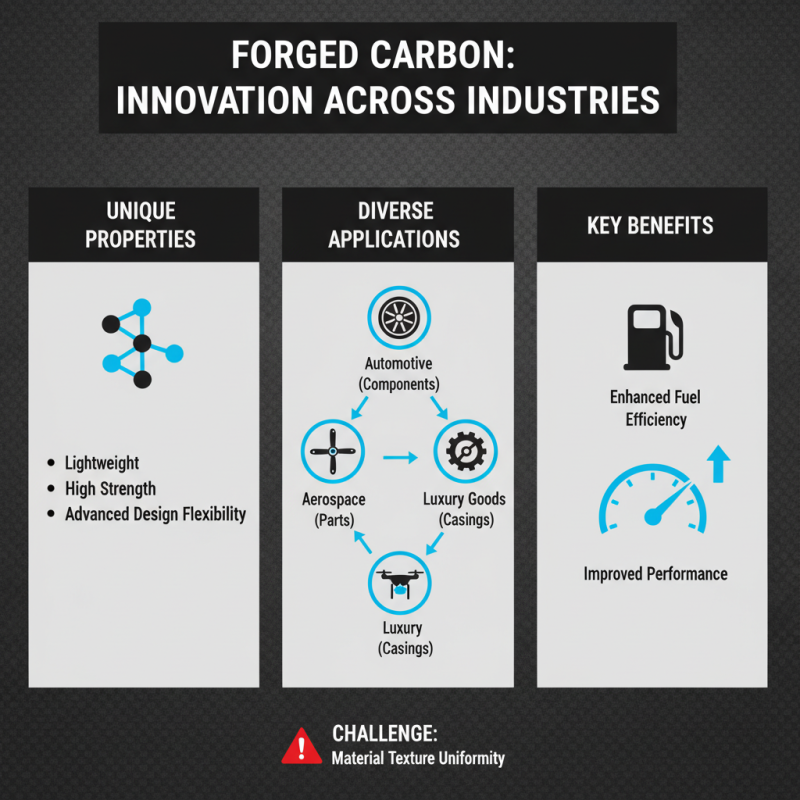
Forged carbon has gained traction in diverse industries. Its unique properties enable innovative designs and applications. For instance, in the automotive sector, manufacturers have embraced forged carbon for lightweight components. This results in better fuel efficiency and enhanced performance. However, some projects faced challenges in achieving uniformity in the material's texture.
Another notable application is within the sports equipment industry. Forged carbon is used in high-end bicycles and golf clubs. The strength-to-weight ratio is appealing for athletes seeking performance advantages. Yet, the production process can be intricate. Misalignment during forging can lead to defects that may impact functionality. This requires careful monitoring and adjustment throughout manufacturing.
In the consumer electronics sector, forged carbon stands out for its durability and aesthetic appeal. Some gadgets showcase this material to attract tech enthusiasts. However, the finishing process often calls for additional detailing, which can be time-consuming. Designers frequently reflect on whether the effort justifies the outcome. Balancing functionality and visual appeal remains a critical consideration.