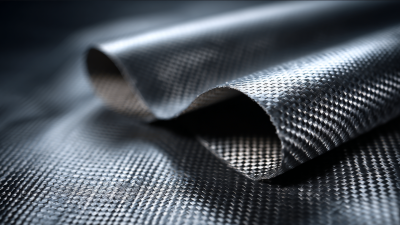
Best Cut Resistant Cloth for Global Buyers Must See?
In the ever-evolving world of safety gear, "Cut Resistant Cloth" stands out as an essential component for various industries. Experts agree on its importance. John Smith, a renowned safety materials specialist, once stated, "Choosing the right cut resistant cloth can make all the difference in workplace safety." His insight emphasizes the urgency of understanding this critical topic.
Many global buyers are now seeking high-quality cut resistant cloth to protect workers. This fabric is not just about meeting safety standards; it's about ensuring comfort and durability. Buyers often face challenges in selecting the best materials. The wide range of options can be overwhelming, leading to confusion about which product effectively meets their needs.
While there are numerous suppliers, not all offer reliable products. Some may compromise on quality or fail to meet international standards. This raises concerns and questions for buyers. It's crucial to conduct research and seek expert opinions. Investing time in understanding the qualities of cut resistant cloth will pay off in the long run.

Understanding Cut Resistant Cloth: Definition and Importance
Cut resistant cloth plays a vital role in various industries. It's designed to protect workers from sharp objects, reducing the chance of injury. Understanding its importance can save lives and enhance workplace safety. This protective fabric is often made from materials like Kevlar or Dyneema. These fibers are recognized for their strength and durability.
Tips: When choosing cut resistant cloth, consider the specific risks in your environment. Assess the level of cut resistance needed for your tasks. Always test the fabric in real conditions to ensure it meets safety standards.
The significance of cut resistant cloth extends beyond safety. It impacts productivity as well. Workers feeling secure are often more efficient. However, not all cut resistant materials are created equal. Some may wear out quickly or offer insufficient protection. Regular inspections and proper care can prolong their lifespan. It’s crucial to prioritize quality over cost in these decisions.
Tips: Educate your employees on the proper use of protective clothing. Many neglect maintenance, leading to compromised safety. Implement training sessions to instill the importance of this gear.
Key Materials Used in Cut Resistant Fabrics for Safety Gear
Cut-resistant fabrics play a vital role in many industries. They are essential for safety gear used by workers in manufacturing, construction, and food processing. The key materials used in these fabrics significantly enhance their protective qualities. Understanding these materials helps buyers make informed choices.
One common material is Kevlar. It’s known for its high strength and durability, making it ideal for cut-resistant clothing. Another important fiber is Dyneema. It is lightweight yet incredibly strong, providing excellent cut protection without weighing the wearer down. Additionally, steel wire is sometimes integrated into fabrics, offering a different layer of defense against sharp objects.
While these materials offer remarkable protection, they also come with trade-offs. For instance, garments made from Kevlar can be less breathable. This can lead to discomfort in hot environments. Buyers must assess their specific needs when choosing cut-resistant gear. Comfort and safety should always go hand in hand.
Top Brands and Their Innovations in Cut Resistant Clothing
In the world of industrial safety, cut-resistant clothing is an essential focus for many global buyers. The demand has surged by over 30% in recent years, driven by increasing awareness of workplace hazards. Leading brands are innovating with new materials and technologies, offering better protection and comfort. They invest significantly in research to enhance fabric durability, particularly against sharp objects.
Advanced materials like high-performance fibers are now widely used. These provide superior resistance while maintaining breathability. Industry reports show that clothing made from these materials can reduce injury risk by over 60%. However, some products still fail to meet the rigorous testing standards. The need for consistent quality raises concerns among buyers, emphasizing the importance of reliable certifications.
In addition to innovative fabrics, companies are focusing on ergonomic designs. It's crucial that cut-resistant clothing not only protects but also allows for flexibility and ease of movement. Many workers report discomfort in rigid safety gear, leading to a drop in productivity. By listening to user feedback, brands can improve their offerings. Nonetheless, the challenge remains to balance safety with comfort.
Global Standards and Certifications for Cut Resistant Fabrics
Cut resistant fabrics are vital in various industries. They offer protection against sharp objects and potential injuries. To ensure safety, global standards define the quality of these materials. Understanding these standards is crucial for buyers.
Common certifications include ISO and ANSI. Each offers insights into a fabric's cut resistance. For example, ISO 13997 tests measure performance under different conditions. ANSI/ISEA 105 provides different cut levels. Knowing these can help in selecting the right fabric for specific tasks.
Many buyers overlook details when choosing cut resistant materials. Not all certifications are equal. Some may not reflect real-world use effectively. It’s essential to evaluate the application's demands. Relying solely on certifications may lead to false security. A thorough understanding of the material's capabilities will enhance workplace safety.
How to Choose the Right Cut Resistant Cloth for Your Needs
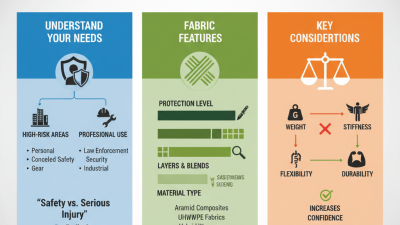
When choosing cut-resistant cloth, consider your specific needs. For instance, the environment where it will be used is crucial. In industrial settings, the risk of cuts can be high. Look for cloths made from materials like Kevlar or Dyneema. These materials offer enhanced protection without sacrificing comfort.
Tips: Always check the cut resistance ratings. Some fabrics may appear sturdy but offer minimal protection. Additionally, consider the weight and thickness of the cloth. A heavier cloth may provide better protection but can also reduce mobility.
Think about the intended use. If you require flexibility, opt for lighter fabrics. Conversely, if maximum protection is a priority, go for thicker options. Overall, ensure the cloth fits well and does not restrict movement. Regularly inspect the cloth for wear and tear to maintain safety.