China Top 10 Carbon Fiber Tube Suppliers
China has become a major sourcing base for carbon fiber components, including tubes used in drones, robotics, medical equipment, bicycles, and industrial machinery. This guide examines China’s top 10 Carbon Fiber Tube suppliers through practical purchasing criteria, not advertising claims alone. A strong supplier should explain its fiber grade, winding method, resin system, dimensions, and production tolerance clearly. It should also provide sample support and consistent communication.
Details matter.
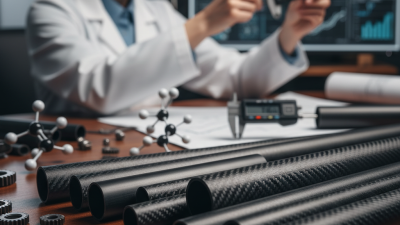
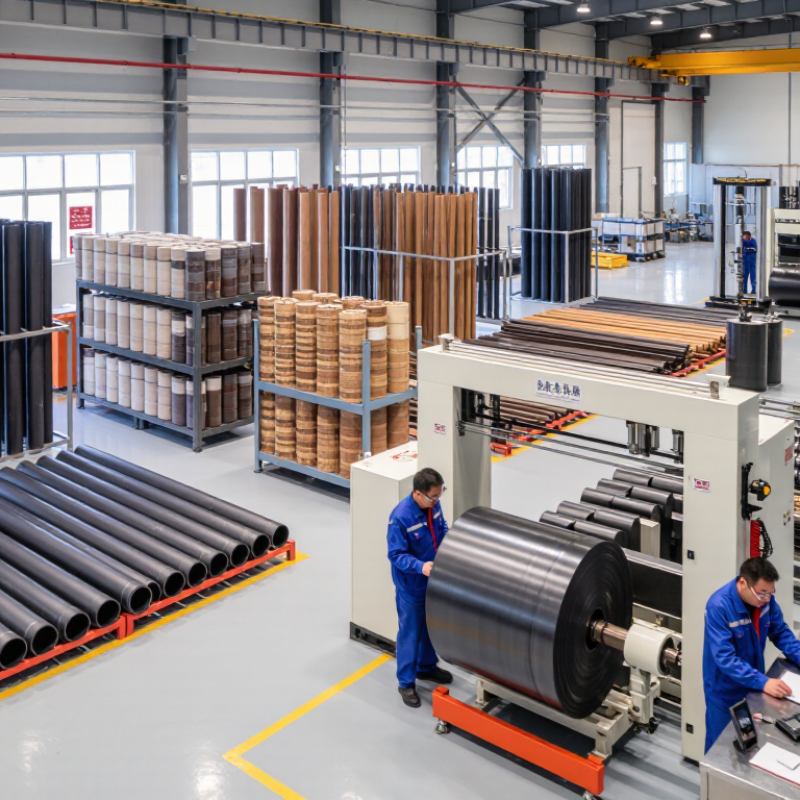
A reliable factory may show workshop photographs, inspection records, and test data for tensile strength, compression, and bending performance. Buyers should compare tube diameter, wall thickness, surface finish, length limits, minimum order quantities, and available customization. Export experience also matters because packaging can affect thin tubes during long-distance shipping. Several suppliers may offer similar prices, yet their tooling quality and batch consistency can differ noticeably.
No list is perfect. Supplier rankings can change with equipment upgrades, staff changes, material costs, and customer feedback. A company that performs well for standard tubes may struggle with tight tolerances or complex fittings. Therefore, readers should request recent samples, drawings, certificates, and written specifications before placing an order. We also recommend checking response speed and problem-solving habits, not only catalog range. These observations come from common sourcing practices, but individual project requirements remain decisive. The following overview aims to help engineers, distributors, and product developers compare capable Chinese manufacturers with greater confidence and fewer costly assumptions.
What Are Carbon Fiber Tubes and Why Are They Used?
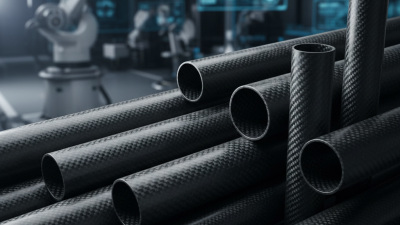
Carbon fiber tubes are hollow structures made from carbon fibers bonded with a polymer resin. The fibers usually run along the tube, where loads are highest. This arrangement creates high stiffness with much less weight than steel or aluminum. A well-made tube can feel rigid in your hands, yet remain surprisingly light during assembly.
Engineers use carbon fiber tubes in robotics, medical equipment, drones, bicycles, and lightweight frames. They resist corrosion and maintain performance in many outdoor conditions. Their low thermal expansion can also improve dimensional stability around sensitive instruments. However, carbon fiber is not automatically stronger in every direction. A tube may resist bending well but fail from crushing, impact, or poorly supported joints. That detail is often underestimated.
Manufacturing experience matters. Fiber angles, resin quality, wall thickness, and curing temperature all affect reliability. I have found that a slightly heavier tube can perform better when connectors create local pressure. Testing should include bending, compression, vibration, and repeated loading. Do not judge quality by a smooth surface alone. Hidden voids or uneven layers may weaken the structure. Carbon fiber tubes also cost more than common metal alternatives, and repairs can be difficult. A careful supplier should provide dimensions, tolerances, material data, and inspection information. Some projects still choose aluminum because it is easier to machine and replace. That is a reasonable decision, not a failure.
Key Criteria for Evaluating Chinese Carbon Fiber Tube Suppliers
China Top 10 Carbon Fiber Tube Suppliers
When comparing China’s top carbon fiber tube suppliers, begin with technical fit, not catalog size. Confirm fiber type, resin system, winding method, and curing process. These details affect stiffness, impact resistance, weight, and surface quality. Ask for dimensional tolerances, wall thickness data, and load test results. Samples matter. Measure everything.
A reliable supplier should provide batch traceability from raw fiber to finished tube. Request inspection records, material certificates, and independent test reports where possible. Review production equipment, operator training, and quality controls for voids, delamination, and uneven walls. Certifications can support credibility, but they do not replace factory audits or physical testing. Ask for evidence.
Communication also reveals technical maturity. A capable team should explain layup angles, joint requirements, machining limits, and packaging risks clearly. Check sample consistency across multiple batches, not just one attractive piece. A polished sample can mislead. Lead times, minimum quantities, tooling ownership, and corrective-action procedures deserve written confirmation. No checklist is perfect. Small oversights, such as unclear tolerance notes, may create expensive assembly problems. I would also compare how suppliers respond when specifications change. Honest answers are more valuable than confident promises. Consider compliance documents, export experience, and after-sales support before approving a long-term order.
China’s Top 10 Carbon Fiber Tube Suppliers
China’s Top 10 Carbon Fiber Tube Suppliers should be assessed by evidence, not popularity. A strong supplier should show tensile strength data, fiber grade, resin system, and batch traceability. In practical sourcing, these details matter more than polished catalog images. Tube performance depends on winding angle, wall thickness, curing control, and end machining. Small process changes can affect stiffness and fatigue life.
Demand is expanding across robotics, drones, medical equipment, and lightweight structures. The Global Wind Energy Council reported 117 GW of new wind capacity in 2023, highlighting continued demand for lighter composite components. The International Energy Agency also reported that global electric car sales exceeded 17 million in 2024. These trends support broader carbon fiber adoption, although tube demand is not identical to vehicle demand. That distinction is easy to miss. A supplier may offer excellent raw material but inconsistent hole alignment or poor surface protection.
Tips: Request three recent inspection reports. Check outer diameter tolerance, fiber volume, and void content. Ask for a sample before signing a large order. Independent testing is safer than trusting one certificate. ISO 9001 helps, but it does not replace product-level inspection. Also review packaging, moisture protection, and delivery records. My experience suggests that communication speed predicts fewer surprises, but it is not proof of manufacturing quality. A careful audit remains necessary.
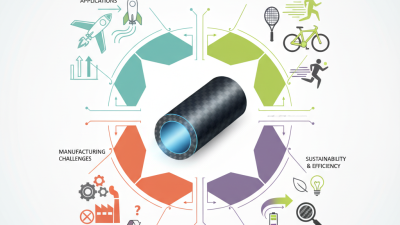
Reference note: The chart presents commonly specified dimensional ranges for carbon fiber tubes available from Chinese manufacturers. It is intended for supplier comparison and product screening, not as a company-level ranking. Actual dimensions vary by reinforcement architecture, manufacturing process, tooling, and application.
Product Range, Manufacturing Capabilities, and Quality Standards
China’s top 10 carbon fiber tube suppliers differ in product range, production scale, and technical control. Common products include pultruded tubes, roll-wrapped tubes, braided tubes, tapered shafts, and custom sections. Sizes may range from small instrument tubes to large structural members. Wall thickness, fiber direction, resin type, and surface finish should match the application.
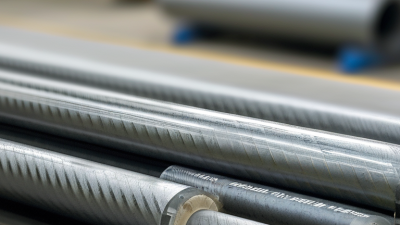
Manufacturing capability often separates a capable supplier from a trading company. Experienced factories use controlled mandrel winding, accurate curing ovens, CNC cutting, drilling, bonding, and end machining. Some support prototype production, while others focus on repeatable high-volume orders. Ask for drawings, tolerance tables, sample records, and realistic lead times. A polished catalog can still hide weak process control.
Quality standards need practical verification. Reliable suppliers usually maintain ISO 9001-based systems and provide material certificates, batch traceability, dimensional reports, and inspection records. Useful checks include fiber alignment, resin distribution, void content, straightness, surface defects, and load performance. Independent testing may be appropriate for safety-critical parts. Do not judge quality by appearance alone. I have found that clear communication about failure risks is often more valuable than a perfect sample. Some suppliers lack complete public data, so this comparison requires careful, ongoing review.
How to Select the Right Chinese Carbon Fiber Tube Supplier
China Top 10 Carbon Fiber Tube Suppliers
How to Select the Right Chinese Carbon Fiber Tube Supplier
Selecting a Chinese carbon fiber tube supplier requires more than comparing online prices. Define the tube’s diameter, wall thickness, length, tolerance, load direction, and operating temperature. A supplier should explain its fiber grade, resin system, winding method, and curing process in clear technical language. Vague answers are warning signs.
Request samples made with the same process as mass production. Check straightness, surface finish, inner diameter, and weight with calibrated tools. Ask for tensile, flexural, compression, and temperature-resistance test data. Independent laboratory reports add confidence, especially for safety-critical assemblies. However, a report may not represent every production batch. Verify the test date and sample identification.
Factory experience matters. Review equipment, quality-control records, and batch traceability through a video audit or site visit. Confirm whether the supplier controls cutting, drilling, bonding, and packaging internally. My earlier mistake was trusting a polished sample without checking production consistency. The first shipment showed small wall-thickness differences. Price is only one factor. Compare tooling fees, minimum order quantities, inspection costs, lead times, and replacement policies. A reliable supplier accepts reasonable inspections and documents any deviation before shipment. Communication can still fail across languages and time zones, so approve drawings and inspection criteria in writing. Suppliers may promise customization easily, but complex shapes need realistic tooling discussions.