Top Tips for Sourcing Carbon Fiber Mesh Fabric Globally?
In recent years, Carbon Fiber Mesh Fabric has become a game-changer in various industries. Its lightweight yet sturdy nature provides significant advantages in manufacturing and engineering. However, sourcing this fabric globally can present unique challenges. Many buyers struggle to find reliable suppliers who meet industry standards and deliver quality products.
Understanding the nuances of international trade is essential for success. Navigating language barriers and varying regulations adds complexity to the sourcing process. Buyers may find themselves unsure about which manufacturers can guarantee consistency in quality and performance. This uncertainty can lead to costly mistakes and delays.
To effectively source Carbon Fiber Mesh Fabric, knowledge and a strategic approach are crucial. Engaging with experienced professionals in the field can provide valuable insights. Additionally, evaluating potential suppliers thoroughly will ensure that quality and reliability are prioritized. Remember, finding the right fabric is not just about the price—it’s about the long-term value it brings to your project.

Understanding Carbon Fiber Mesh Fabric and Its Applications
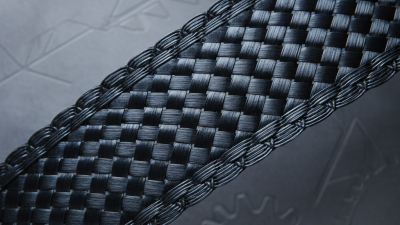
Carbon fiber mesh fabric is a versatile material known for its strength and lightweight properties. It consists of interwoven carbon fibers, creating a structure that can withstand significant tension and stress. This fabric is commonly used in automotive parts, aerospace applications, and sporting equipment. The ability to enhance strength while reducing weight makes it invaluable in industries aiming for better performance and efficiency.
In addition to its traditional uses, carbon fiber mesh fabric finds applications in the construction sector. Builders often utilize this fabric in reinforcement for concrete structures, enhancing durability. However, sourcing this material globally presents challenges. Understanding the specific requirements for thickness, weave pattern, and strength is essential. Not all suppliers may meet these technical specifications, leading to potential quality issues. Therefore, having an informed approach is crucial when selecting sources to ensure reliability.
Global Carbon Fiber Mesh Fabric Demand by Region (2023)
This bar chart illustrates the global demand for carbon fiber mesh fabric by region in 2023. The data indicates that Asia Pacific leads the demand followed by Europe and North America, reflecting the growing applications of carbon fiber in various industries around the world.
Identifying Reliable Suppliers for Carbon Fiber Mesh Fabric Globally
When sourcing carbon fiber mesh fabric globally, identifying reliable suppliers is crucial.
The global carbon fiber market is projected to reach 5.4 billion USD by 2028, with a CAGR of 9.0%
from 2021 to 2028. This growth highlights the increasing demand for high-quality materials.
However, finding trustworthy suppliers requires careful consideration and research.
Start by evaluating suppliers' certifications and quality standards. Look for suppliers that comply
with international standards such as ISO 9001. This ensures that their products meet required quality
benchmarks. Engaging with industry experts can provide insights into reputable suppliers. Industry
forums often discuss challenges and successes, offering a unique perspective on supplier reliability.
It's important to gather feedback from previous clients. Many suppliers may claim high-quality products
but fail to deliver consistently. Aim for suppliers with a proven track record in the market. Conduct
site visits when feasible. This provides a firsthand look at production processes. If not, virtual
meetings can also offer insight. Remember, the goal is to build a partnership based on transparency
and trust. In the end, finding the right supplier is an investment in your project's success.
Evaluating Quality Standards and Certifications for Carbon Fiber Mesh
When sourcing carbon fiber mesh fabric globally, evaluating quality standards and certifications is crucial. Reliable suppliers should adhere to internationally recognized certifications. Look for ISO certifications, which reflect high manufacturing standards. These certifications ensure that the fabric meets performance and safety requirements.
Tips for assessing quality include checking for detailed specifications. Request samples to inspect the weave and weight of the fabric. A well-constructed fabric should show uniformity in texture and density. Pay attention to the resin content as it directly affects durability and tensile strength. Ask suppliers about their testing methods. Transparent suppliers will share their quality control processes.
Not all suppliers provide comprehensive certifications. Some may offer vague claims that lack validation. Always seek clarity on their testing standards and quality assurance measures. This will help avoid sources that might compromise on material quality, leading to subpar products. Understanding these aspects is essential to ensure you're investing in reliable carbon fiber mesh fabric.
Top Tips for Sourcing Carbon Fiber Mesh Fabric Globally
| Criteria |
Details |
Importance |
| Material Composition |
Check for high-quality carbon fiber content, typically 60% or more. |
Critical for strength and durability. |
| Weave Pattern |
Identify specific weave patterns (e.g., twill, plain) suitable for your application. |
Affects flexibility and end use performance. |
| Weight |
Look for weights ranging from 150 to 500 g/m², depending on use case. |
Influences application and manufacturing processes. |
| Quality Standards |
Verify certifications such as ISO 9001 or equivalent for quality assurance. |
Ensures regulated manufacturing practices. |
| Supplier Reputation |
Research suppliers' track records through reviews and previous projects. |
Critical for reliability and product quality. |
| Cost |
Evaluate pricing but account for quality versus cost trade-offs. |
Bargaining factor for project budgets. |
Negotiating Pricing and Terms with Carbon Fiber Mesh Manufacturers
When negotiating pricing and terms with carbon fiber mesh manufacturers, understanding market trends is vital. According to a recent market report, the global carbon fiber market is expected to reach $6.2 billion by 2025, growing at a CAGR of 10.8%. This growth reflects the increasing demand from various industries, including automotive and aerospace. Buyers must identify industry standards to ensure they are negotiating terms that align with current market conditions.
In pricing discussions, transparency is essential. Manufacturers often have a price range based on raw material costs, production capabilities, and supply chain logistics. Establishing a clear communication channel can help both parties navigate these complexities. Consider proposing bulk purchasing options or long-term contracts, as these can lead to better pricing. Researching comparable prices from different suppliers can also provide leverage in negotiations.
Moreover, consider the quality assurance processes of manufacturers. Not all carbon fiber mesh products are created equal. Buyers should inquire about certifications and quality control measures. Understanding these aspects can prevent potential issues down the line. Being prepared to reflect on your own negotiation strategies is also crucial. Identify areas where you may have room for improvement, especially if initial discussions do not lead to your desired outcomes.
Logistics and Shipping Considerations for Importing Carbon Fiber Mesh
When importing carbon fiber mesh fabric, logistics and shipping are crucial. A thorough understanding of customs regulations is essential to avoid delays. Each country has specific import requirements, and these can vary widely. Research your destination's policies well in advance. Knowing the necessary documentation can save time and reduce costs.
Transportation methods also play a significant role in logistics. Air freight is faster but often more costly. Sea freight, on the other hand, offers cost savings but may take longer. Understand the weight and volume of your orders to choose appropriately. Coordinating with reliable freight forwarders can streamline the process, but remember: unforeseen circumstances can arise. Plan for potential disruptions to maintain schedules.
Lastly, consider warehousing options. Holding inventory closer to your market can enhance responsiveness. However, evaluate the trade-offs between inventory costs and potential sales. Finding the right balance can significantly impact your supply chain. Embrace flexibility in your logistics strategy to adapt to changing dynamics in global trade. It's crucial to be aware of the potential pitfalls in this area.