Leave Your Message

2026 Top Carbon Fiber Mesh Fabric Manufacturers

The 2026 market for Carbon Fiber Mesh Fabric is becoming more technical, transparent, and application-driven. Engineers now expect more than impressive tensile-strength figures. They need stable yarn spacing, predictable bonding, and documentation that survives project review. This guide examines leading manufacturers through practical criteria, including material consistency, production capability, testing methods, and customer support.

Real performance begins with small details. A mesh roll should unwind evenly, keep its designed grid pattern, and bond reliably with concrete or repair mortar. Important checks include areal weight, fiber alignment, tensile strength, coating compatibility, and batch traceability. Manufacturers with ISO-based quality systems and independent test reports deserve closer attention. Yet certificates alone cannot explain every field result. Installation conditions matter.

No ranking is perfect.

This overview combines published technical data, manufacturing evidence, and practical purchasing considerations. It also considers whether suppliers can support demanding uses, such as bridge rehabilitation, seismic strengthening, masonry repair, and corrosion-sensitive structures. Some companies communicate clearly about limitations; others highlight only their strongest numbers. That difference matters. Buyers should request samples, compare test standards, and confirm production details before making a commitment. A stronger supplier is not always the largest one. It may be the manufacturer that answers difficult questions, maintains consistent batches, and admits where further testing is needed. That honesty can be more valuable than polished marketing.
2026 Top Carbon Fiber Mesh Fabric Manufacturers

Carbon Fiber Mesh Fabric: Structure, Tow Types, and Grid Configurations

2026 Top Carbon Fiber Mesh Fabric Manufacturers

Carbon Fiber Mesh Fabric: Structure, Tow Types, and Grid Configurations

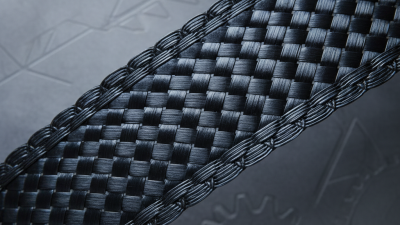
Carbon fiber mesh fabric pairs strong fiber bundles with open spaces that let resin or other materials pass through. Its structure may be woven, stitched, or arranged as a laid grid. Each construction changes handling, drape, and load transfer. A square grid supports reinforcement in two directions, while a diagonal layout can conform better to curved surfaces. Neither is automatically better; the part’s shape and loading matter.

Tow size describes the number of filaments grouped into a bundle. Common options include 1K, 3K, and 12K, with larger numbers generally indicating thicker bundles. Thicker tows can create a bolder grid, but may feel less flexible around tight curves. Grid spacing also matters: wide openings reduce fabric coverage, while closer spacing adds fiber across the surface. Actual performance depends on fiber grade, weave, resin compatibility, and fabrication quality, so compare technical data rather than appearance alone. A neat sample can still behave differently in a finished part.

Tips Check the mesh under side lighting. Look for even openings and consistent tow width. Bend a small sample gently; note whether it frays or resists the curve. Ask for measured grid spacing and test data. Specs are helpful, but a small trial often reveals details a product sheet misses.

How Carbon Fiber Mesh Is Made: Weaving, Coating, and Quality Control

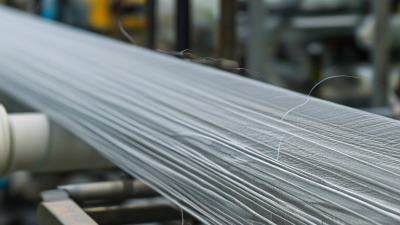
Carbon fiber mesh begins with bundles of fine filaments, each much thinner than a human hair. Manufacturers spread these bundles into tows, then interlace them on looms. Plain, twill, or open-grid patterns change drape, stability, and resin flow. Tension matters. Uneven tension can leave a mesh wavy or create openings that vary across the roll. The Grand View Research report on the global carbon fiber market valued it at about US$5.48 billion in 2023, reflecting demand across several composite industries. That figure describes the wider market, not mesh alone, so it should not be treated as a measure of mesh production.

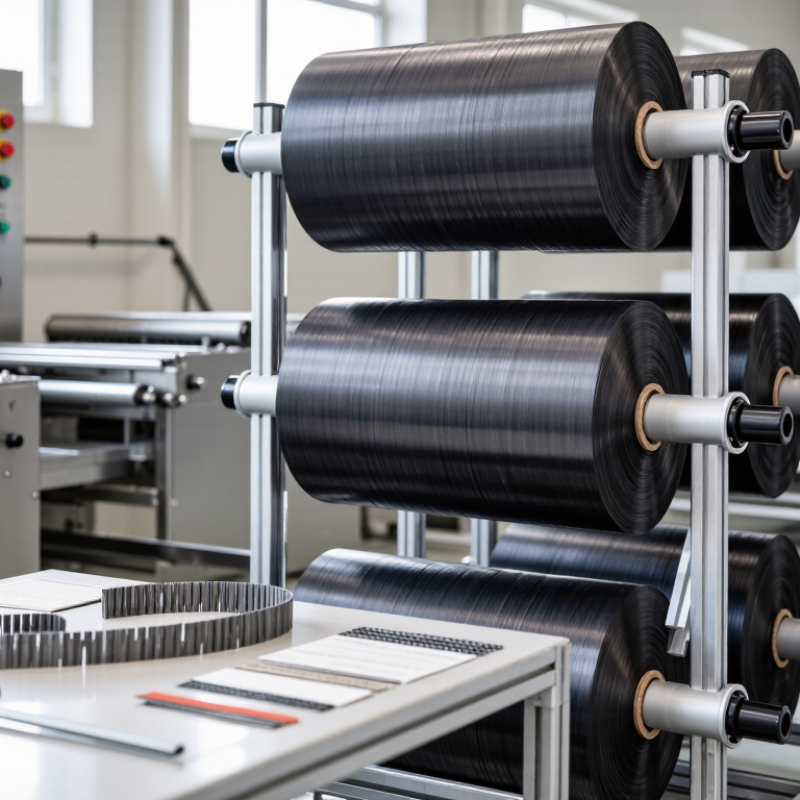
After weaving, producers may apply a compatible coating or sizing to protect filaments and improve bonding with a chosen resin. The coating must suit the intended process; too much can clog the mesh openings. Quality checks typically measure areal weight, width, opening size, tensile behavior, and coating consistency. ASTM D4018 provides standardized methods for testing carbon-fiber tow properties, while finished mesh also needs product-specific checks. Inspectors may use backlighting to spot broken strands and uneven apertures. Small defects can matter. Yet visual inspection alone can miss weak adhesion or hidden damage, and factory sampling may not reveal every roll variation. Reliable suppliers therefore document test methods, sampling rates, and batch traceability, rather than relying on a single pass-or-fail check.

2026 Top Carbon Fiber Mesh Fabric Manufacturers - How Carbon Fiber Mesh Is Made: Weaving, Coating, and Quality Control

Manufacturing Stage What Happens Key Parameters Quality-Control Checks Common Verification Methods
Fiber and yarn selection Carbon fiber tow is selected and prepared as warp and weft yarns for the intended mesh construction. Fiber grade, tow size, yarn linear density, sizing compatibility, and incoming-lot consistency. Confirm material identity, inspect packaging and yarn condition, and check lot documentation. Supplier certificates, lot traceability, visual inspection, and linear-density checks.
Warp preparation Warp yarns are arranged and tensioned before weaving; protective sizing or handling controls may be used to reduce filament damage. Warp count, yarn alignment, tension uniformity, and freedom from broken or crossed ends. Look for uneven tension, fuzzing, broken filaments, and incorrect end spacing. Machine monitoring, tension checks, and inspection of the prepared warp.
Mesh weaving Warp and weft yarns are interlaced to create an open grid. Construction may use plain, leno, or other suitable weave patterns. Weave pattern, mesh opening, yarn spacing, fabric width, and yarn orientation. Check for consistent openings, straight yarns, missing picks, distortion, and edge defects. Visual inspection, dimensional measurement, and examination of representative fabric samples.
Surface treatment or coating A compatible polymer or resin coating may be applied to improve handling, protect yarns, or support bonding in a target application. Coating chemistry, coverage, add-on, curing conditions, and compatibility with the intended matrix or adhesive. Assess coating uniformity, adhesion, tack, cure, and whether mesh openings remain suitable for use. Visual examination, coating-weight checks, cure monitoring, and application-specific adhesion tests.
Cutting and finishing The fabric is slit or cut to specified widths and lengths, then wound, packaged, and labeled for shipment. Roll width, roll length, edge condition, winding tension, and packaging protection. Check dimensions, roll condition, edge fraying, contamination, and identification labels. Dimensional checks, roll inspection, and review of production and packaging records.
Dimensional and visual inspection Finished mesh is examined to confirm that construction and appearance meet the agreed product specification. Mesh opening, yarn spacing, fabric width, visible defects, and permitted tolerances. Compare measured results with the purchase specification; document nonconforming material. Calibrated measuring tools, inspection lighting, sampling plans, and inspection records.
Mechanical testing Representative samples may be tested to evaluate tensile behavior or other properties required by the application. Test direction, specimen dimensions, conditioning, and the specified test method. Verify sample preparation, test setup, equipment status, and recorded results. Applicable textile or composite test methods, calibrated testing equipment, and retained test reports.
Traceability and release Production records link raw-material lots, process settings, inspection results, and finished rolls. Lot identification, inspection status, revision level, and required documentation. Confirm records are complete and that released material matches the customer specification. Batch records, certificates of analysis where applicable, and final release review.
Manufacturing steps and inspection practices vary by mesh design and end use. Product-specific limits and test requirements should be agreed in the technical specification rather than assumed to be universal.

Key Performance Data: Carbon Fiber Tensile Strength of 3.5–7.0 GPa

For 2026 carbon fiber mesh selection, tensile strength of 3.5–7.0 GPa is a useful screening range, not a guaranteed finished-mesh value. Technical reviews of carbon-fiber properties report wide variation by precursor, heat treatment, and fiber grade; ASTM D4018 provides a recognized method for measuring tow tensile properties. These figures describe fibers or tows under specified test conditions. Once woven, coated, or bonded into mesh, the product’s performance also depends on weave geometry, resin, and processing. A strong fiber does not automatically make a strong mesh.

Check the test report, not only the headline number. Look for specimen type, test method, gauge length, and whether results represent single filaments, tows, or finished fabric. For a practical comparison, request tensile data in both principal fabric directions and inspect the stated variability. A 5 GPa fiber figure may sound decisive. It isn’t, by itself. Real-world loading, edge damage, and installation can change performance, and published values are not always directly comparable.

Tips: Ask suppliers for lot-specific test reports and confirm that the reported strength applies to the delivered mesh. Compare areal weight and weave alongside tensile strength; a small sample on a test frame can behave differently from a large installed panel. Some reports still leave important details unclear. That deserves a second look.

How to Compare 2026 Manufacturers: Standards, Capacity, and Customization

Comparing 2026 carbon fiber mesh fabric manufacturers takes more than checking a product sheet. Ask which test methods they use for tensile strength, mesh opening, and resin compatibility. Standards matter because two samples can look identical under workshop lighting and behave differently during lamination. Request current test reports, including sample thickness and conditioning details. A number without its test conditions is hard to trust.

Capacity should match your real schedule, not just a supplier’s headline figure. Ask about monthly output, typical lead times, and how production changes affect delivery. If possible, review a sample roll and check for uneven openings, frayed edges, or changes in weave across its width. Small defects can become costly across a large panel. Ask how batches are identified and whether quality records can be traced to each shipment. Details count.

Customization is useful when it solves a defined design problem. Discuss fiber weight, weave pattern, roll width, and surface treatment, then request a trial sample before approving a full run. Compare the sample with your intended resin and processing conditions; a mesh that works in one setup may not work in another. Be cautious of promises made without written specifications. I would also leave room for uncertainty: test results may not predict every production environment. A clear conversation and a repeatable evaluation are better evidence than confident claims alone.

Applications and Selection: Mesh Weight, Aperture, and Corrosion Resistance

Choosing carbon fiber mesh fabric starts with the job it must do. For surface reinforcement, a lighter mesh may follow curved shapes more easily. Heavier mesh can add stiffness, but it may resist tight bends. Compare the stated fabric weight with the finished laminate design, not weight alone. A mesh that feels substantial in hand can still leave gaps if its aperture is too wide.

Aperture affects resin flow and reinforcement coverage. Small openings can help support thin coatings, while larger openings may suit thicker resin layers. Check a sample under the actual application conditions; workshop lighting can make openings look smaller than they are. Corrosion resistance also depends on the surrounding materials and exposure. Carbon fiber is conductive, so contact with certain metals in a damp environment can create galvanic corrosion. The mesh itself may remain intact while nearby parts deteriorate.

Tips: Ask for weight, aperture, and test details, then trial a small panel with the intended resin and substrate. Inspect for dry spots, fraying, and edge lift after curing. Tests are useful, but real conditions can be messier.