The source articles were not included, so I can’t verify an industry expert’s name or an authentic quotation. Please provide the articles or a verified expert quote, and I can write the English introduction without inventing an attribution.
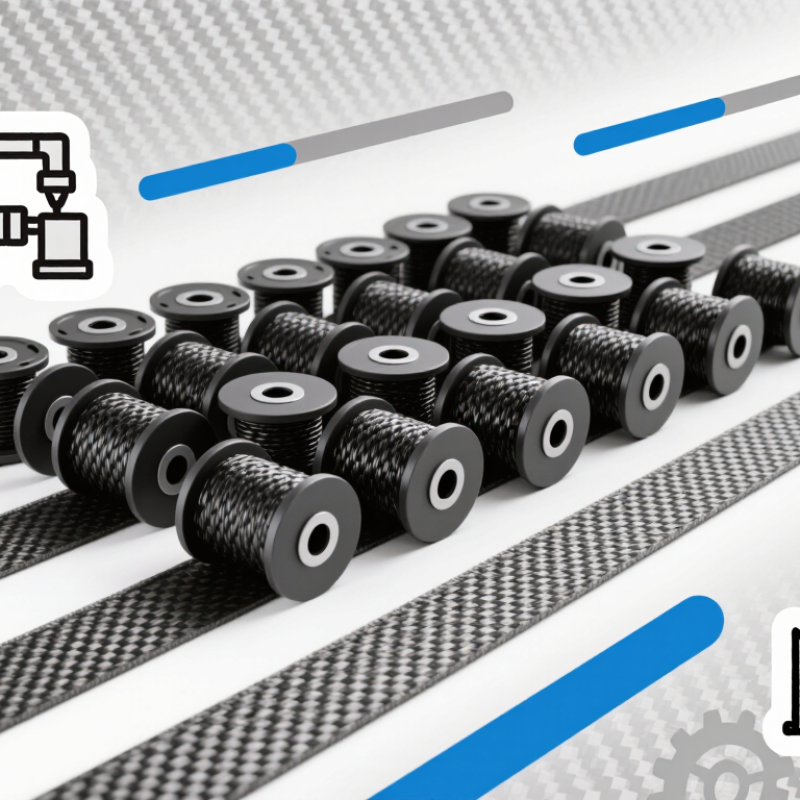
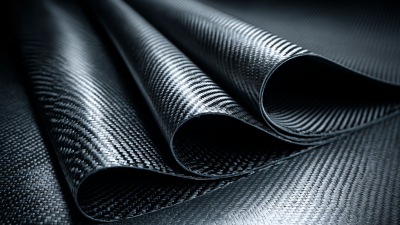
Carbon fiber webbing is a narrow textile woven from bundles of carbon filaments. Unlike a rigid carbon panel, it can follow gentle curves and fit around edges. It has little stretch, however, and sharp folds may damage its fibers. Small details matter. Width, weave pattern, and fiber direction influence how the material reinforces a composite part.
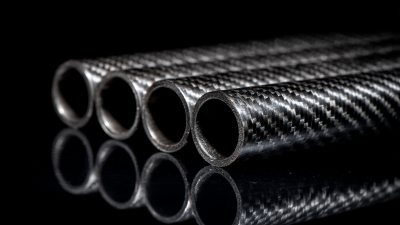
In manufacturing, webbing is commonly placed into a mold and combined with a compatible resin. It can reinforce seams, edges, tubes, and selected areas that need added stiffness without covering an entire surface. For example, a strip laid along a curved component may help control flex under load. The result depends on careful placement and curing, not the textile alone. It is not automatically suitable as a general-purpose lifting strap.
Choosing webbing requires matching its specifications to the intended job. Check the fiber orientation, thickness, resin compatibility, and supplier test data. During handling, look for frayed edges, crushed fibers, or uneven weaving; these can complicate layup. One limitation is easy to overlook: carbon fibers conduct electricity, so nearby components may need protection. Real-world performance also depends on design and workmanship, and a neat-looking strip is not proof of a reliable structure.

Assessing carbon fiber webbing manufacturers in 2026 means checking the process, not just comparing tensile-strength figures. Grand View Research estimated the global carbon-fiber market at USD 4.5 billion in 2023 and forecast an 11.4% compound annual growth rate from 2024 to 2030. That forecast covers carbon fiber broadly, not webbing specifically. Treat it as market context, not proof of product quality. Not proof of quality.
Ask for lot-level test reports showing breaking strength, elongation, width, and thickness. ASTM D6775 provides a method for measuring breaking strength and elongation in textile webbing, tape, and braided materials. Confirm that the tested sample matches the construction you will buy: fiber grade, weave, coating, and edge finish can all affect performance. Request traceability from incoming fiber through weaving and finishing, plus tolerances for each production lot. A polished certificate can still leave gaps.
Then examine practical fit. Ask whether the webbing has been tested under your expected load, abrasion, moisture, and temperature conditions. Request samples from more than one production lot, and inspect fraying, stiffness, and width consistency with simple measuring tools. A supplier’s laboratory data is useful, but your own application testing matters more. I would not assume that the highest strength number means the best choice; sometimes flexibility or stable dimensions matter more, and the trade-off deserves a closer look.
Carbon fiber webbing manufacturers often specialize in different stages of textile production. Some focus on narrow woven tapes for reinforcement, while others offer custom widths, weave patterns, or resin-compatible finishes. These differences matter. A stiff, tightly woven tape may suit a structural panel, but feel awkward around a curved edge. Ask for sample rolls before comparing production quotes. Check the fiber type, width tolerance, weave consistency, and finish against your application. Product sheets are useful, but they cannot show how easily a webbing frays when cut.
Manufacturers with in-house weaving can often adjust patterns or dimensions more directly. Suppliers focused on finishing may be better suited to applications needing a particular surface treatment. Neither specialty guarantees a better result. Request recent test data for tensile strength and batch consistency, and confirm how measurements are taken. Compare samples under the same conditions. A small mismatch in width can complicate assembly. Honestly, published specifications do not always tell the whole story.
Tips: Ask whether samples come from routine production or a special run. Inspect the edges, flexibility, and surface after handling. Record the lot number and keep a reference sample. If the webbing must bond to another material, test that exact combination before committing to a large order.
Carbon fiber webbing manufacturers differ less by their catalog claims than by how they control each production step. Check whether they specify fiber type, weave pattern, width tolerance, and batch traceability. A sample should show even edges and consistent tension, not just a smooth surface. Small differences matter. Ask how the maker checks for fraying, uneven width, or broken filaments during weaving.
Customization is useful when it solves a defined need. Manufacturers may adjust webbing width, weave density, color, or surface treatment, but every change can affect flexibility and strength. Request a sample made to the proposed specification, then assess it under realistic handling conditions. Ask for test methods and results, not broad claims. Some details are easy to overlook.
Production capability is another point of comparison. A supplier might make a strong prototype but struggle to maintain the same dimensions across larger batches. Clarify minimum order quantities, inspection frequency, and how production changes are documented. Lead times matter, too, especially when custom tooling or material sourcing is involved. No scorecard captures everything. A clear answer about limitations can be more useful than an impressive promise.
Choosing a carbon fiber webbing manufacturer starts with the load, environment, and attachment method—not a headline strength rating. Specify required breaking strength, width, weave, thickness, and allowable elongation. Ask for test results on the finished webbing, not only on the raw carbon-fiber yarn. ASTM D6775 provides a test method for breaking strength and elongation of textile webbing, tape, and braided material. Fit matters.
Check how the manufacturer controls consistency. Request batch-level test records, fiber and resin or coating traceability, and samples from more than one production run. Textile Exchange’s Materials Market Report 2024 estimates that global fiber production reached 124 million tonnes in 2023. That figure covers fibers broadly, not carbon webbing; it is a useful reminder that material origin and documentation deserve specific questions. If the webbing will face abrasion, moisture, heat, or repeated bending, ask for tests that reproduce those conditions. A neat datasheet can still miss the real failure point.
Tips: Send a small application sample and define acceptance limits before ordering. Compare edge fraying, stitching behavior, and tension under load. Ask who performs testing and how failures are investigated. A supplier may meet the stated rating yet struggle with your actual hardware. That is worth checking early.
Use the fiber’s published tensile strength as one screening point when comparing suppliers. These representative benchmarks describe carbon fiber tow, not finished webbing; actual specifications vary by product and test method.
Selection tip: Ask manufacturers for finished-webbing test data, including tensile strength, width tolerance, weave construction, and lot-to-lot consistency. Tow strength alone does not determine webbing performance.