2026 Best Forged Carbon Sheet Options for Global Buyers?
In the world of advanced materials, "Forged Carbon Sheet" stands out for its unique properties. Experts like Dr. Emily Hart, an authority in materials science, emphasize its versatility: “Forged Carbon Sheets are changing the landscape of lightweight and durable composites.” This statement captures the innovative spirit driving this industry.
As global demand for high-performance materials grows, buyers are seeking the best options in forged carbon sheets. These sheets combine strength and aesthetic appeal, making them ideal for various applications. However, potential buyers face challenges in selecting the right products. Quality can vary significantly between manufacturers.
Recent advancements in production techniques have improved the performance of forged carbon sheets. Yet, not all options meet the required standards. Buyers should consider factors like origin, manufacturing processes, and customer reviews when making their decisions. A well-informed choice can enhance product performance and longevity.
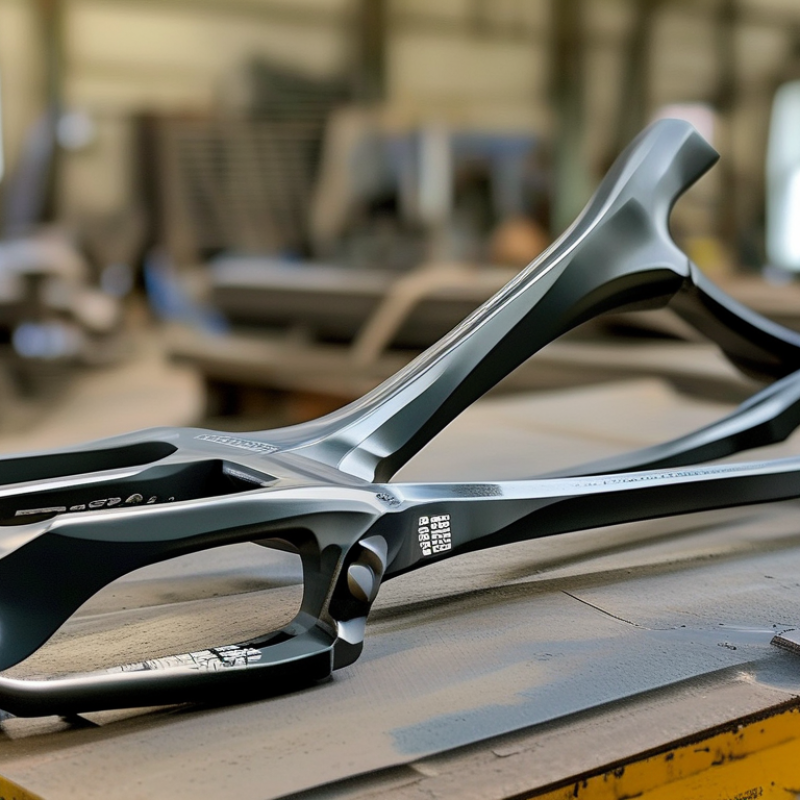
2026 Market Overview of Forged Carbon Sheets: Trends and Projections
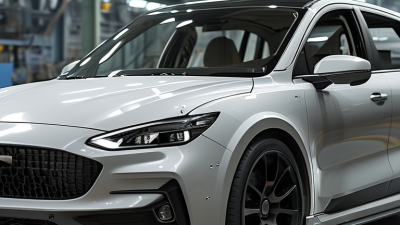
The forged carbon sheet market is experiencing significant changes in 2026. Companies are increasingly adopting these materials due to their high strength and lightweight properties. This trend is particularly evident in the automotive and aerospace industries, where performance is critical. Consumers seek innovative solutions that forged carbon sheets can provide.
However, as demand rises, manufacturers face challenges. Quality control becomes crucial. Inconsistent production processes can lead to variations in material properties. Buyers need to be cautious and ensure that suppliers uphold rigorous standards. Market research is essential to navigate this evolving landscape.
Sustainability plays a larger role too. The pressure to adopt eco-friendly practices is mounting. Not all manufacturers have adapted. Some still rely on outdated methods. This gap could affect their competitiveness in the market. Staying informed about these dynamics will help global buyers make better decisions.
Key Global Manufacturers of Forged Carbon Sheets and Their Offerings
Forged carbon sheets have gained substantial traction among global buyers. Their unique properties, including high strength and lightweight, attract diverse industries. Many manufacturers now offer competitive options, catering to various market needs. This growing trend reflects a shift toward advanced materials.
Tip: When selecting forged carbon sheets, consider the specific application requirements. Different manufacturers provide unique formulations that may better suit your needs.
Key global manufacturers focus on quality and innovation. Their offerings range in thickness, size, and finish. Some prioritize sustainability, sourcing materials responsibly. Others develop specialized sheets for automotive, aerospace, and sports industries. This diversification helps meet the varied demands of customers worldwide.
Tip: Research potential suppliers thoroughly. Look for certifications and customer reviews to gauge reliability. A well-informed choice can lead to more satisfactory outcomes.
As the demand for forged carbon continues to rise, manufacturers may struggle to keep up. This can lead to inconsistencies in quality and availability. Monitoring trends and maintaining communication with suppliers can mitigate such issues. Adaptability remains crucial in this fast-evolving market.
2026 Best Forged Carbon Sheet Options for Global Buyers
Technical Properties of Forged Carbon Sheets and Their Applications
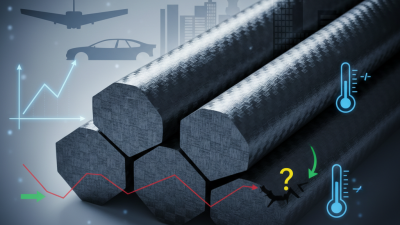
Forged carbon sheets are gaining attention for their unique technical properties. They offer high strength and excellent stiffness-to-weight ratios, making them ideal for various applications. These sheets often exhibit superior performance in extreme conditions. For instance, they can withstand high temperatures and resist chemical corrosion. This makes them suitable for industries like aerospace and automotive.
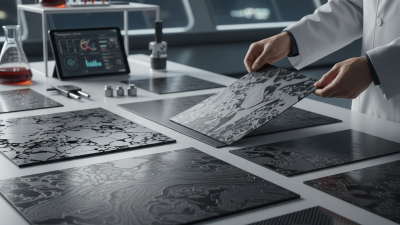
The manufacturing process of forged carbon sheets involves combining short carbon fibers with a polymer matrix. This technique enhances the durability of the sheets. However, achieving uniformity can be challenging. Variations in fiber alignment may impact the finished product's performance. A thorough understanding of the material's behavior is essential for engineers.
In terms of applications, forged carbon sheets find use in sports equipment, automotive parts, and even luxury items. Their aesthetic appeal attracts designers looking for innovative materials. However, balancing performance with production costs remains a crucial consideration. Buyers should evaluate their specific needs and explore options that align with their project goals.
2026 Best Forged Carbon Sheet Options for Global Buyers
| Material Type |
Thickness (mm) |
Density (g/cm³) |
Tensile Strength (MPa) |
Flexural Strength (MPa) |
Thermal Conductivity (W/mK) |
Applications |
| Forged Carbon Fiber |
3 |
1.6 |
600 |
700 |
40 |
Aerospace, Automotive |
| Carbon Nanotube Reinforced |
5 |
1.8 |
900 |
800 |
50 |
Electronics, Sports Equipment |
| Thermally Conductive Carbon |
2 |
1.4 |
500 |
600 |
100 |
Heat Sinks, Electrical Insulators |
| High-Strength Forged Carbon |
4 |
1.7 |
750 |
950 |
30 |
Industrial Applications, Machinery |
Comparative Analysis of Forged Carbon Sheets vs. Traditional Materials
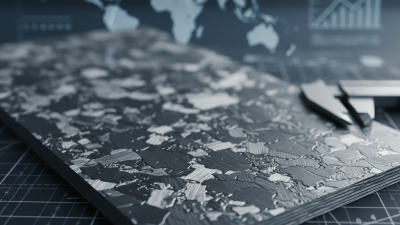
Forged carbon sheets are gaining traction as a modern alternative to traditional materials like metal and wood. They are known for their lightweight nature and impressive strength. This composite material can withstand high temperatures and harsh environments. It is highly customizable, making it ideal for various applications. The sleek appearance of forged carbon also appeals to industries focusing on aesthetics.
In comparison, traditional materials often pose limitations. Metals can be heavy and prone to corrosion. Woods require maintenance and can warp over time. Forged carbon sheets present a more robust solution. However, some buyers may hesitate due to the cost of production and lack of widespread experience in certain applications. Transitioning to forged carbon requires thoughtful consideration of its benefits and trade-offs.
While forged carbon sheets offer several advantages, they are not without challenges. The manufacturing process can be complex, potentially leading to inconsistencies. Buyers should weigh their options carefully, considering project requirements and budget constraints. Engaging with experts in materials science can guide informed decisions, ensuring the right choice for specific needs.
Financial Aspects: Pricing Strategies and Cost Investment in Forged Carbon
When considering the financial aspects of forged carbon sheets, pricing strategies play a crucial role. The cost of forged carbon varies widely based on factors such as material quality, manufacturing processes, and demand. Companies must assess their budget while evaluating these components. This creates a challenging environment for global buyers.
Investment in forged carbon requires careful planning. Although these materials often promise enhanced performance and durability, they can be pricey. It’s vital to weigh short-term costs against long-term benefits. Even seasoned buyers may encounter unexpected expenses, like shipping and tariffs. Each decision impacts the overall investment plan.
Buyers should also stay informed about market trends. Prices can fluctuate due to supply chain issues or technological advancements. Keep an eye on developments in the industry. It’s essential to challenge one's assumptions about what constitutes value. What seems like a great deal today might not hold true tomorrow. Engaging with various suppliers can yield insights but may also lead to confusion. So, a balanced approach is necessary.