Explore Top Benefits of Forged Carbon Sheet for Global Buyers?
The demand for advanced materials has surged, with the forged carbon sheet emerging as a standout contender in various industries. A recent market analysis revealed that the global market for carbon composites is projected to reach over $30 billion by 2025. This growth underscores the importance of durable, lightweight materials like forged carbon sheets.
Forged carbon sheets offer unique advantages, such as improved strength-to-weight ratios and enhanced thermal stability. These properties appeal to automotive manufacturers aiming for lighter vehicles and better fuel efficiency. The aerospace sector also recognizes the value, integrating forged carbon sheets into components to reduce overall weight and enhance performance.
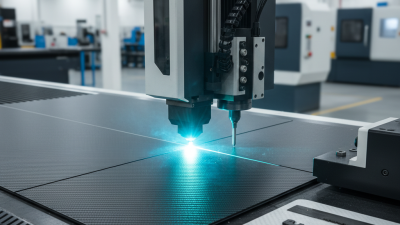
However, the production and processing of forged carbon sheets remain complex. Buyers must navigate quality differences and authentication challenges. Investing in reliable suppliers who adhere to stringent quality controls is crucial. Balancing innovation with practicality is essential as the industry evolves. Understanding these dynamics will position global buyers to make informed decisions and maximize the benefits of forged carbon sheets.

Benefits of Forged Carbon Sheet in Various Industries
Forged carbon sheets are gaining traction across various industries. Their unique properties offer significant advantages. For instance, these sheets are lightweight yet incredibly strong, making them ideal for aerospace applications. According to a report by MarketsandMarkets, the global carbon fiber market is projected to grow to $5.73 billion by 2026, highlighting the increasing demand for such materials.
In the automotive industry, forged carbon sheets contribute to improved vehicle performance. They enhance fuel efficiency by reducing overall weight. A study from the International Journal of Automotive Technology indicated that lightweight materials can lead to up to 20% better fuel efficiency. This shift is not only beneficial for manufacturers but also promotes sustainability.
Construction is another industry reaping the benefits. Forged carbon applications in construction lead to durable, impact-resistant structures. However, the initial costs of these materials can be higher compared to traditional options. This aspect warrants careful consideration by buyers, as the long-term benefits might outweigh the upfront investment. These details highlight the growing importance and complexity of adopting forged carbon sheets across sectors.
Durability and Strength: Key Advantages of Forged Carbon Sheet
Forged carbon sheets are revolutionizing industries with their exceptional durability and strength. These sheets, created through a unique manufacturing process, exhibit remarkable resistance to wear and tear. Their ability to withstand extreme conditions makes them a top choice for various applications. From automotive to aerospace, forged carbon sheets provide a reliable solution for demanding environments.
Tips for buyers: Ensure you verify the specifications before making a purchase. Not all forged carbon sheets are made equal. Some may have inconsistencies in quality, affecting performance. Checking certifications can help guarantee you are getting a reliable product.
Another advantage of forged carbon sheets is their lightweight nature. They offer a strength-to-weight ratio that is superior to traditional materials. This property contributes to improved fuel efficiency in vehicles and reduced overall weight in structures. However, buyers should consider their long-term needs. While initial investment may be higher, the durability of these sheets can lead to cost savings over time.
Understanding the nuances of forged carbon sheets is crucial. Their properties can vary depending on the production technique. This aspect may impact end-user experience. Careful selection and research are vital to maximize benefits from this innovative material.
Weight Reduction: Enhancing Performance with Forged Carbon
Forged carbon sheets are gaining traction in various industries due to their exceptional weight reduction capabilities. According to a report by MarketsandMarkets, the global carbon fiber market is expected to reach $8.74 billion by 2027. This growth is driven by the lightweight nature of carbon materials. Reducing weight can significantly enhance performance in automotive and aerospace applications.
The forged carbon structure allows for intricate designs while maintaining strength. This unique approach provides a higher strength-to-weight ratio compared to traditional materials. Research indicates that weight reduction of even a few pounds can lead to better fuel efficiency. In aviation, every kilogram saved may result in reduced operational costs. The efficiency gained from using forged carbon can translate into increased payload capacity.
However, the adoption of forged carbon isn’t without challenges. High manufacturing costs and processing complexity pose barriers. Additionally, industries need to ensure that the performance meets rigorous standards. Continued innovation and research may help address these issues. As technology progresses, the benefits of forged carbon sheets will likely become more accessible, paving the way for broader acceptance.
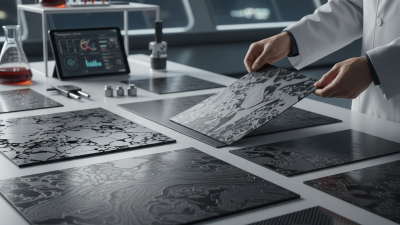
Aesthetic Appeal: Design Opportunities with Forged Carbon Sheet
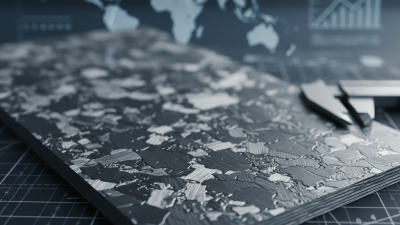
Forged carbon sheet is gaining attention for its striking aesthetic appeal. Designers value its unique texture and sleek finish, which can elevate any product. This material creates an industrial yet refined look. Reports indicate that the market for carbon composites is expected to grow at a CAGR of 12% through 2027. This trend highlights the increasing interest in innovative materials in design.
The versatility of forged carbon means it can fit various applications, from automotive parts to consumer electronics. Its lightweight nature, combined with impressive strength, allows for creative freedom. Designers can mold it into different shapes and forms, enabling fresh ideas. Forbes reports that 70% of consumers are attracted to products with a modern design. Thus, incorporating forged carbon sheets can enhance market appeal.
Yet, challenges remain. The production process is still developing, and consistency can vary. Not every design will benefit from forged carbon. Some applications may require more traditional materials. As the industry evolves, feedback from designers will be crucial. Striking the right balance between aesthetics and functionality remains an ongoing pursuit.
Benefits of Forged Carbon Sheet for Global Buyers
Sustainability Considerations in Forged Carbon Sheet Production
Sustainability in forged carbon sheet production is gaining attention. This innovative material provides various environmental advantages. According to recent reports, forged carbon sheets can be made with up to 50% recycled materials. This reduces the need for virgin resources, minimizing the overall carbon footprint.
However, using recycled materials does present challenges. Quality control can be inconsistent, leading to potential weaknesses in the final product. Manufacturers must invest in testing and quality assurance. Achieving a balance between sustainability and performance is essential. Sustainable practices can sometimes increase production costs. It’s crucial to weigh the long-term benefits against the initial investment.
Tips for selecting forged carbon sheets: Look for certifications that guarantee recycled content. Verify the supplier's commitment to eco-friendly practices. Always inquire about waste management processes. A supplier’s transparency about their production methods is invaluable. Consider the longevity of the material and its end-of-life options too. Remember, sustainable choices may not always be the cheapest but can be more beneficial in the long run.
Explore Top Benefits of Forged Carbon Sheet for Global Buyers
| Benefit |
Description |
Sustainability Consideration |
Market Applications |
| High Strength-to-Weight Ratio |
Forged carbon sheets provide superior strength while being lightweight, leading to enhanced performance in various applications. |
Reduces material usage and lowers carbon footprint. |
Aerospace, automotive, and sports equipment. |
| Durability |
Excellent resistance to impacts, chemicals, and temperature variations makes forged carbon sheets long-lasting. |
Lowers the frequency of replacements, contributing to resource preservation. |
Industrial applications, construction, and consumer products. |
| Customization |
Forged carbon sheets can be tailored in terms of size, thickness, and finish to meet specific application needs. |
Facilitates efficient design processes, reducing waste. |
Medical devices, electronics, and bespoke products. |
| Aesthetic Appeal |
The unique appearance of forged carbon adds a modern touch to products, appealing to designers and consumers alike. |
Promotes the use of high-quality materials in consumer products. |
Fashion, luxury goods, and custom automotive parts. |