2026 Best Stab Resistant Fabric for Global Buyers?
In 2026, global buyers evaluating Stab Resistant Fabric need more than a strong product name. They need evidence that the material suits its intended application. Fabric performance can vary with fiber type, weave, coatings, layering, and construction. A promising sample may not behave the same after repeated wear or laundering. That distinction matters.
A reliable comparison should consider relevant test methods, documented results, fabric weight, flexibility, breathability, and consistency between production batches. Buyers should also review how seams, closures, and garment design affect the finished product. Details matter. A fabric specification alone cannot confirm the protection of a complete garment. Ask suppliers for current reports, clear material data, and traceable quality procedures. Verify that test methods match the intended use and destination market, since requirements can differ. No fabric is perfect.
This guide introduces practical questions for comparing options, assessing supplier claims, and planning sample evaluations. It considers comfort and durability alongside reported resistance, because protective materials may be uncomfortable or difficult to wear for long periods. Those trade-offs deserve honest discussion. Buyers should avoid treating a single test result as a universal guarantee. Instead, compare evidence, clarify limitations, and consult qualified testing professionals when needed. The best choice is not always the thickest or most expensive fabric. It is the option supported by credible documentation and a realistic fit for the product, wearer, and supply chain. Some details may remain uncertain until production trials; acknowledging that is part of responsible sourcing.
What Stab-Resistant Fabric Is and How It Works
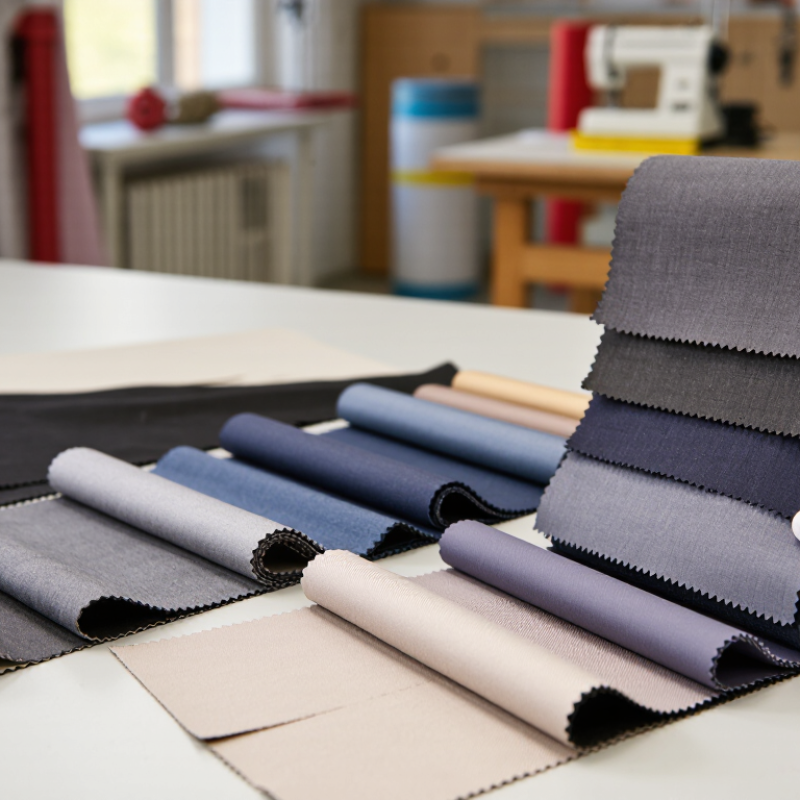
Stab-resistant fabric is engineered to reduce the chance that a sharp point will pass through clothing. It is not simply a thicker version of ordinary cloth. Manufacturers may use tightly woven, high-strength fibers or multiple fabric layers. Some designs also include flexible panels that spread force across a wider area.
The structure matters. A tight weave can limit gaps where a point might enter, while strong yarns resist breaking under pressure. In layered materials, one layer may catch or redirect the point as another helps distribute the load. Think of a compact panel resisting a pointed tool, not a magical shield. Performance depends on the fabric, construction, seams, fit, and test method. Small gaps can matter.
Protection has limits. Stab-resistant does not mean cut-proof, puncture-proof, or safe in every situation. Testing results apply to specific conditions and may not predict real-world outcomes. Buyers should check the exact test level, garment coverage, and care instructions, rather than relying on a fabric label alone. Washing or repeated flexing may affect some materials. I would also inspect stitching and closures; these details are easy to overlook, and specifications can be less clear than they should be.
Key Materials and Fabric Constructions Used for Stab Protection
2026 Best Stab Resistant Fabric for Global Buyers?
Key Materials and Fabric Constructions Used for Stab Protection
Stab-resistant textiles often combine high-strength fibers with carefully controlled fabric construction. Aramid and ultra-high-molecular-weight polyethylene (UHMWPE) are common choices because their strong yarns can help resist penetration. Woven fabrics may use dense, tightly arranged yarns, while laminated constructions bond multiple layers together. Construction matters. A material name alone cannot predict performance.
Layer count, yarn direction, coating, and seams all affect how a finished panel performs. Some designs add a flexible backing to help hold layers in place. Others use multiple fabric plies to balance coverage and movement. More layers can mean greater weight and heat, though. That trade-off is easy to underestimate during desk-based product selection. Fit, intended use, and independent test results should guide comparisons; no fabric guarantees complete protection.
Tips: Ask suppliers for test reports covering the finished garment or panel, not only the raw fabric. Check the test method, sample configuration, and conditioning details. Compare weight and flexibility alongside reported results. A fabric that feels light in a sample may behave differently after stitching, repeated bending, or exposure to moisture. Some details remain uncertain until the finished product is evaluated.
How Stab Resistance Is Tested and Rated
Stab resistance is measured on the finished panel, not inferred from fiber strength alone. In NIJ Standard-0115.00, test samples face controlled knife and spike impacts, with penetration measured against backing material. The standard sets three energy levels: 24, 33, and 43 joules. It also specifies higher overtest energies of 36, 50, and 65 joules. These figures describe impact energy, not a guarantee against every blade, angle, or real-world strike.
Details matter. A fabric that looks dense on a sample card may behave differently after flexing, moisture exposure, or repeated wear. Ask for the laboratory report, including the tested panel construction, threat type, energy level, and measured penetration. Check whether the report covers the complete garment or only a flat material coupon. Small distinctions can change what a rating means. NIJ 0115.00 is a useful benchmark, but buyers should match its test conditions to their intended use. Even a strong result has limits. One missed point: test ratings cannot fully reproduce unpredictable movement or impact in the field.
2026 Best Stab Resistant Fabric for Global Buyers? — How Stab Resistance Is Tested and Rated
NIJ Standard-0115.00 specifies test impact energy levels for stab-resistant body armor. These values show the prescribed E1 and E2 test energies—not a ranking of fabrics or a guarantee of protection.
A protection rating depends on test results, including penetration limits, for the specified test threat. Buyers should verify the complete armor product’s test evidence and applicable standard, rather than comparing fabric by energy level alone.
Source: NIJ Standard-0115.00, Stab Resistance of Personal Body Armor.
How to Choose Stab-Resistant Fabric for Different Applications
Choosing stab-resistant fabric starts with the job, not a product label. A uniform worn through long shifts needs flexibility, breathability, and low weight. Protective panels for higher-risk duties may require broader coverage and stronger verified performance, even if they feel warmer. Fit matters. A stiff garment can restrict movement, while loose areas may leave gaps during normal activity.
For daily workwear, check how the fabric handles repeated bending, abrasion, sweat, and laundering. Ask whether the stated protection applies to the fabric alone or to a finished garment with its seams and closures. A swatch can feel reassuring, but it cannot predict full-garment performance. Look for test reports that identify the method, sample construction, and limitations. Vague claims deserve careful questions.
There is no perfect option. More layers can add weight and heat; lighter constructions may offer less coverage or durability. The right balance depends on climate, shift length, movement, and expected wear. Test samples in realistic conditions, including seated and reaching positions. Then review them with the people who will wear the garments. Their feedback may reveal a problem the specification missed. A fabric choice is only one part of protection, so avoid treating it as a guarantee.
What Global Buyers Should Check When Sourcing in 2026
For 2026 sourcing, compare tested fabric constructions, not fiber names alone. A high-strength yarn does not guarantee reliable protection after weaving, coating, stitching, or repeated flexing. Textile Exchange’s Materials Market Report 2024 estimates global fiber production reached 124 million tonnes in 2023 and could rise to 160 million tonnes by 2030. That figure describes the wider fiber market, not stab-resistant fabric specifically. It does, however, make traceable material origins and consistent supply worth checking. Small details matter.
Ask suppliers for independent test reports that identify the exact fabric construction, sample conditioning, test method, and results. The U.S. National Institute of Justice’s NIJ Standard-0115.00 evaluates resistance to defined knife and spike threats. Confirm that the tested sample matches the fabric you will buy, including its layers and finishing. Request production-lot samples, stated weight and thickness tolerances, and written guidance on laundering and storage. A certificate alone is not enough. One limitation is easy to overlook: laboratory results do not automatically predict performance in every finished garment. Build time for your own incoming checks, and document any differences between the approved sample and delivered rolls.