What Is Carbon Fiber Fabric Used For?
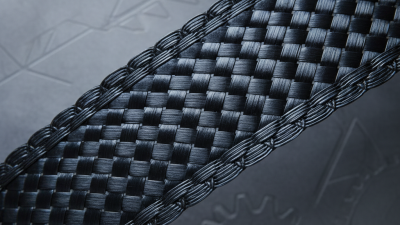
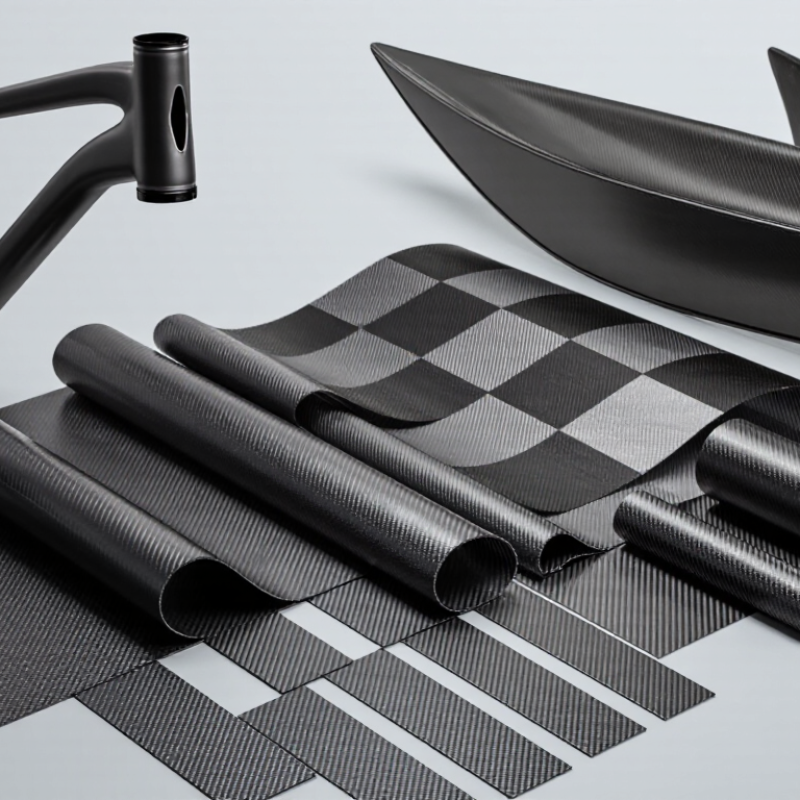
Carbon Fiber Fabric is used to reinforce parts that need high strength without excessive weight. It is made from fine carbon filaments arranged in woven or unidirectional sheets. The weave may look like a neat checkerboard, but its pattern affects handling and fiber direction. Once combined with a suitable resin and cured, the fabric forms a composite material. The fabric alone is not a finished, load-bearing component. That distinction matters.
Manufacturers use carbon fiber composites in aircraft panels, automotive components, bicycle frames, boat structures, sporting goods, and selected industrial equipment. In a bicycle frame, carefully oriented layers can help resist pedaling forces while keeping the structure light. In a boat, composite panels may reduce weight and resist corrosion. Each design still depends on the resin, layup, curing process, and intended loads. Carbon fiber is not automatically stronger or more durable in every situation. It can be costly, and impact damage may be difficult to see beneath the surface.
This article explores common uses of Carbon Fiber Fabric and explains why engineers choose particular weaves and layer directions. It also considers practical limits, including repair needs and production quality. Small details matter. A glossy finish can hide a flawed layup, so appearance alone is not proof of performance. Material specifications and testing provide a more reliable basis for choosing fabric.
What Carbon Fiber Fabric Is and How It Is Made
What Is Carbon Fiber Fabric Used For?
What Carbon Fiber Fabric Is and How It Is Made
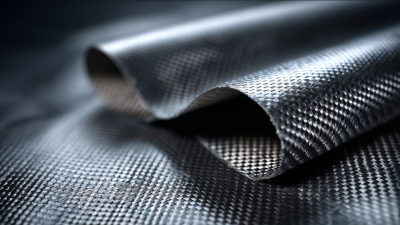
Carbon fiber fabric is a textile made from bundles of extremely fine carbon filaments. Each bundle, or tow, may contain thousands of filaments. Weaving those tows creates familiar patterns, such as plain or twill weave. The cloth alone is flexible; its final stiffness and strength usually come after it is combined with resin and cured. A dry fabric can feel surprisingly soft.
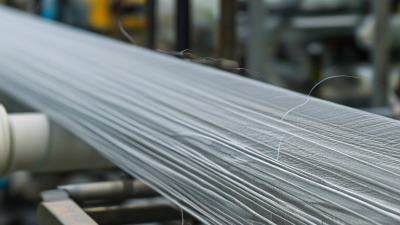
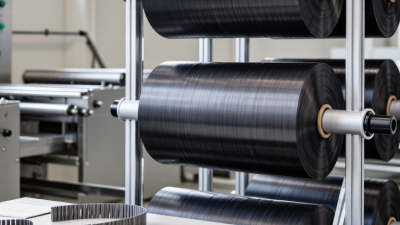
Most commercial fiber starts as polyacrylonitrile, or PAN, a plastic-based precursor. Manufacturers stretch and heat it in air, typically around 200–300°C, to stabilize its structure. It is then heated in an oxygen-free furnace, often above 1,000°C, so non-carbon elements leave as gases. The remaining filaments are carbon-rich. Some grades receive further high-temperature treatment to increase stiffness. It is a demanding process.
An Oak Ridge National Laboratory cost assessment, Evaluation of Current and Future Costs of Carbon Fiber Production for Automotive Applications (2014), modeled a baseline production cost of about US$11.20 per kilogram. That figure is an estimate under specified process assumptions, not a universal market price. Precursor choice, furnace efficiency, and production scale all matter. Even small process changes can affect consistency. The fabric’s weave also changes how it handles and carries loads, so selecting cloth is not just about strength. A useful detail, often overlooked, is that cutting and laying the fabric can disturb its alignment; real parts depend on careful handling as much as impressive fiber properties.
What Is Carbon Fiber Fabric Used For?
Carbon fiber fabric is made by weaving carbon filaments into sheets. The fabric is commonly layered and combined with resin to create strong, lightweight composite parts for aircraft, vehicles, sporting goods, marine structures, and wind turbine components.
Typical density comparison for structural materials. Values are approximate; actual density varies with material grade, fiber orientation, and resin content. Carbon fiber composites are produced by processing a precursor into carbon fibers, then forming the fibers into fabric and combining them with resin.
Key Properties That Shape Its Applications
Carbon fiber fabric earns its value from a combination of low mass, high tensile strength, and directional stiffness. The U.S. Department of Energy’s lightweight-materials guidance notes that carbon-fiber composites can reduce component weight by up to 60% compared with steel, depending on design. That matters in aircraft panels, vehicle structures, and sporting equipment, where every kilogram affects performance or energy use. The fabric itself is only part of the system; resin, layup, and curing also shape the finished part.
Direction matters. In a woven cloth, fibers carry loads most effectively along their paths, while the weave helps resist handling damage and loads from more than one direction. ASM Handbook, Volume 21: Composites, describes carbon-fiber tensile moduli ranging broadly from about 230 to 600 GPa across fiber types. That wide range is a reminder: “carbon fiber” is not one uniform material. A tightly controlled laminate can be exceptionally stiff, but a poor fiber orientation can leave a part weaker than expected.
Carbon fabric also resists fatigue and corrosion better than many metals, making it useful in marine components and repeatedly loaded structures. It does not tolerate every impact well. A sharp blow can create hidden delamination beneath a smooth surface. Not magic. In practical work, technicians inspect edges, drilled holes, and bonded joints closely, because small defects can grow under cyclic loads. The weight savings are real, but so are the demands of careful design and repair.
Uses in Aerospace, Automotive, and Marine Industries
Carbon fiber fabric is valued where low weight and high stiffness matter. In aerospace, layered fabric can reinforce wings, fuselage panels, and control surfaces after resin curing. Its direction matters: fibers carry loads best along their length, so engineers orient each ply to match expected stresses. It is not a drop-in fix. Repairs and inspection can be more demanding than with metal structures.
Automotive designers use it in body panels, chassis parts, and selected interior structures to reduce mass. The IEA’s Global EV Outlook 2024 reports nearly 14 million electric cars were sold worldwide in 2023. That growth increases interest in lightweight components, though carbon fiber remains costly for high-volume vehicles. In marine applications, fabric-reinforced composites appear in hulls, masts, and deck structures, where resistance to corrosion is useful. The IMO’s Fourth Greenhouse Gas Study estimates shipping produced 2.89% of global human-caused CO2 emissions in 2018; lighter vessels may help efficiency, but design and operating conditions matter too.
Tip: Match the fabric weave and fiber direction to the load, then confirm resin compatibility and repair needs. A glossy finish can hide poor layup or trapped air. Measure carefully. And remember: carbon fiber parts can be difficult to recycle, so durability alone does not make a design sustainable.
Applications in Sports, Construction, and Consumer Products
Carbon fiber fabric appears in sports equipment because it can add stiffness without much weight. In bicycle frames, tennis racquets, and paddle shafts, layers are shaped and bonded with resin. The weave may look delicate, but the finished composite can handle demanding use. Performance still depends on fiber direction, resin quality, and careful manufacturing.
In construction, carbon fabric can reinforce concrete beams, columns, and walls. Workers bond it to prepared surfaces, often where added strength is needed without bulky steel plates. Installation details matter: poor surface preparation can weaken the bond. It is not a cure-all, and an engineer should assess the structure before specifying it.
Consumer products use carbon composites in luggage panels, furniture details, protective cases, and lightweight equipment housings. Their crisp woven pattern is appealing, though scratches and impact damage may be harder to repair than on ordinary plastic.
Tips: Check whether a product uses real carbon-fiber fabric or only a printed pattern. For structural repairs, follow professional specifications; fabric alone does not provide reinforcement. Small details count.
How to Select Carbon Fiber Fabric for Different Uses
Choosing carbon fiber fabric starts with the part’s shape, expected loads, and working conditions—not simply the weave that looks strongest. Plain weave stays stable and is relatively easy to handle, but its tight crossings can resist sharp curves. Twill drapes more easily around rounded forms, though it may shift during layup. Unidirectional fabric places most fibers along one axis, so align that axis with the main load. Direction matters. Also consider fabric weight: heavier cloth may need fewer layers, but can be harder to shape neatly.
Tips: Check the fabric’s weight, fiber direction, and resin compatibility on its technical data sheet. Make a small test layup on a similar curve before committing to a large part. A few wrinkles can weaken the result.
For a lightweight shell, a balanced weave may be easier to work with than a highly directional cloth. For a beam or panel with a known load path, directional layers can place more reinforcement where it is needed. Match the selection to the molding process, too; hand layup and vacuum processes can handle fabrics differently. I would not choose by appearance alone. The exact best combination is not always obvious, and a small trial can expose handling problems early. Keep notes on layer order and orientation so the next part is more repeatable.