Leave Your Message

China Best Carbon Fiber Sheet Manufacturer Supplier

Choosing the right China Best Carbon Fiber Sheet Manufacturer Supplier requires more than comparing prices. Material quality begins with controlled carbon fiber, suitable resin, and consistent production methods. A reliable Carbon Fiber Sheet supplier should explain fiber orientation, thickness tolerance, surface finish, and mechanical performance clearly.

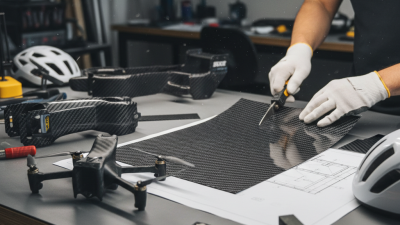
Experienced manufacturers usually provide technical data, sample inspection, and traceable batch records. These details matter when sheets are used for robotics, automotive prototypes, aerospace components, or industrial equipment. A workshop’s clean cutting area, calibrated measuring tools, and protected storage can reveal more than polished marketing photographs. Small details matter.

Professional suppliers also understand that every project has different requirements. A rigid twill sheet may suit a visible panel, while a unidirectional sheet may support directional reinforcement. Customers should review tensile strength, flexural strength, density, curing method, and temperature resistance before ordering. Compliance documents and testing reports should match the actual product, not a similar grade.

No supplier is perfect. Even experienced factories may face delays, tooling limits, or communication gaps. Honest discussions about tolerances and production risks build stronger partnerships. A careful buyer should request samples, confirm drawings, and test the material under real working conditions. That step is often missed.

This guide explores how to evaluate Chinese Carbon Fiber Sheet manufacturers and suppliers through practical evidence. It considers production experience, engineering support, quality control, customization, packaging, and after-sales communication. The goal is not to praise one company blindly. It is to identify dependable capabilities and recognize where further verification remains necessary.

China Best Carbon Fiber Sheet Manufacturer Supplier

Carbon Fiber Sheet: Definition, Structure, and Key Properties

A carbon fiber sheet is a flat composite panel made from carbon fiber reinforcement and a polymer resin matrix. The fibers provide tensile strength, while the resin holds them in position and transfers loads. It is not always a solid carbon plate. That distinction matters.

Most sheets use woven fabric or unidirectional layers. Their stacking direction controls stiffness, strength, and failure behavior. A cross-ply layout improves stability in multiple directions, while aligned fibers deliver higher performance along one axis. Typical carbon fiber composites offer tensile strengths near 600–1,000 MPa and densities around 1.5–1.6 g/cm³, depending on fiber grade and processing. They also resist corrosion and fatigue better than many metal alternatives. However, impact damage can remain hidden. That weakness deserves careful inspection.

MarketsandMarkets’ 2024 Carbon Fiber Market report projects growth from about USD 4.7 billion in 2024 to USD 7.3 billion by 2029. The report links demand to aerospace, automotive, wind energy, and sporting equipment. Actual sheet performance still depends on fiber orientation, resin content, curing quality, and edge finishing. A supplier’s datasheet is useful, but independent testing is safer. ISO 14125 and ASTM D3039 provide recognized methods for flexural and tensile evaluation. Numbers without test conditions can mislead, unfortunately.

How Carbon Fiber Sheets Are Manufactured in China

Carbon fiber sheet production in China combines controlled materials, skilled labor, and repeated inspection. The process starts with carbon fabric or unidirectional fibers. Technicians cut each layer according to the required panel design. Fiber direction matters greatly. It affects strength, stiffness, and bending performance.

Workers apply epoxy resin through hand lay-up, vacuum infusion, or automated equipment. Many factories use vacuum bags to remove trapped air. The layered stack then enters a heated press or curing oven. Temperature and pressure remain closely monitored. A few degrees can change the final result. That detail is easy to underestimate.

After curing, operators trim the edges with diamond tools. They check thickness, flatness, surface finish, and visible voids. Samples may undergo flexural, tensile, or hardness testing. Reliable suppliers also record resin batches, curing cycles, and inspection results. This traceability supports consistent production.

In practical manufacturing, perfection is not automatic. Slight warpage can appear after cooling. We have seen small differences caused by uneven pressure or rushed trimming. Careful factories adjust tooling and review the process instead of hiding the problem. Customers should confirm fiber orientation, tolerance, resin type, and test requirements before ordering. Clear drawings reduce costly misunderstandings. A strong sheet is not judged by appearance alone. Its internal structure tells the fuller story.

China Carbon Fiber Sheet Manufacturing: Typical Consolidation Pressure

Representative pressure ranges used in common carbon fiber/epoxy sheet production routes

Carbon fiber sheets are commonly produced by cutting and stacking prepreg or dry fabric, applying resin, consolidating the laminate, curing it under controlled heat and pressure, and then trimming and inspecting the finished sheet. Vacuum-bag processing uses atmospheric pressure, autoclave curing applies moderate external pressure, and compression molding uses higher pressure for faster consolidation and repeatable thickness. The ranges shown are representative engineering values and do not represent any specific company or brand.

Types and Specifications of Carbon Fiber Sheets

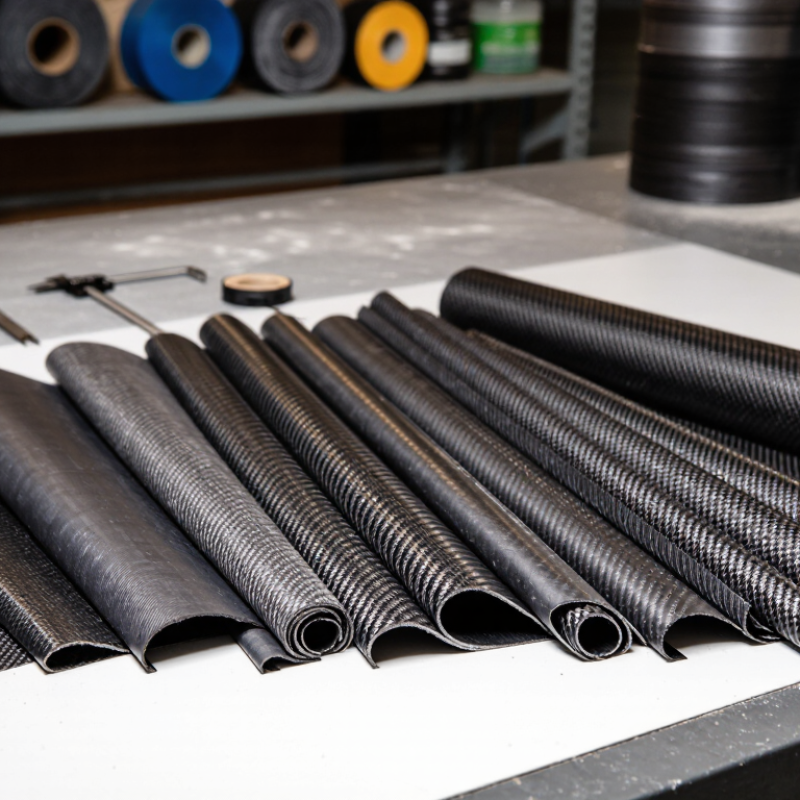
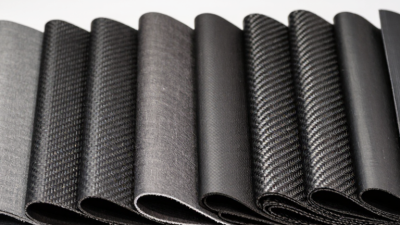
Carbon fiber sheets are chosen by structure, finish, and required stiffness. Unidirectional sheets place most fibers in one direction, making them effective for beams, panels, and reinforcement strips. Woven sheets use plain or twill patterns. They provide more balanced strength and a cleaner visible surface. Prepreg sheets contain measured resin and require controlled heat curing. That process improves consistency, but it adds equipment and handling demands.

Common specifications include thickness, length, width, fiber orientation, weave style, and resin type. Thin sheets may measure 0.2 to 1 millimeter, while structural panels can exceed 3 millimeters. Surface options include matte, gloss, textured, or coated finishes. Buyers should also check fiber volume, tensile strength, flexural strength, and tolerance limits. A precise datasheet matters more than a general strength claim. In practice, small differences in thickness can affect fit, weight, and fastening performance. No single sheet suits every project.

Tips:

Match fiber direction with the main load path. Check dimensions with calipers after delivery. Store sheets flat, dry, and away from direct sunlight. Avoid relying only on appearance; a beautiful weave may not provide the needed stiffness. I have seen projects specify high strength but ignore impact resistance. That oversight deserves a second review. Always request test data, sample pieces, and clear inspection standards before approving regular supply.

How to Select a Reliable Chinese Carbon Fiber Sheet Supplier

How to Select a Reliable Chinese Carbon Fiber Sheet Supplier

Selecting a Chinese carbon fiber sheet supplier requires more than comparing online prices. Check the supplier’s production experience, technical staff, and quality control process. Ask for product specifications, including fiber direction, resin type, thickness tolerance, surface finish, and operating temperature. A dependable supplier should provide recent test reports, material certificates, and clear inspection records. Vague documents deserve caution.

Request samples before placing a large order. Measure thickness at several points, inspect the edges, and check the surface for pinholes, wrinkles, or uneven curing. Small differences can affect assembly accuracy. Ask whether the sample came from regular production or was specially prepared. That detail matters. Confirm monthly capacity, lead time, packaging methods, and replacement procedures in writing. Photos of machines help, but a live factory video or independent inspection offers stronger evidence.

Communication is another practical test. Reliable suppliers answer technical questions directly and explain limitations without exaggerated promises. They should understand drawings, tolerances, and application conditions. I would not choose the lowest quotation automatically. A cheaper sheet may require extra machining or cause delays later. My own selection process would still need improvement, because supplier claims are difficult to verify remotely. A staged order, pre-shipment inspection, and traceable batch numbers can reduce that uncertainty. Ask difficult questions early.

China Best Carbon Fiber Sheet Manufacturer Supplier - How to Select a Reliable Chinese Carbon Fiber Sheet Supplier
Evaluation Dimension Recommended Requirement Typical Commercial Data Verification Method Why It Matters When Selecting a Supplier
Carbon Fiber Grade Standard-modulus carbon fiber suitable for general structural applications Tensile strength: approximately 3,500–5,500 MPa
Young’s modulus: approximately 220–300 GPa
Review the technical data sheet and batch-specific certificate of analysis; request test results based on ISO 10618 or ASTM D4018 where applicable. Fiber grade directly affects stiffness, strength, weight, and product cost. The selected grade should match the application load requirements.
Resin Matrix Epoxy resin with controlled curing characteristics and suitable environmental resistance Typical cured glass-transition temperature (Tg): approximately 80–150 °C, depending on the resin system Request the resin system specification, curing schedule, Tg test report, and recommended service-temperature range. A suitable matrix provides effective fiber bonding, dimensional stability, and resistance to heat, moisture, and chemicals.
Fiber Volume Fraction Consistent fiber distribution throughout the sheet Typical continuous-fiber laminate: approximately 50–65% by volume Check laminate construction details and verify fiber or resin content through supplier quality records or independent laboratory testing. Fiber volume fraction strongly influences tensile strength, flexural stiffness, weight, and repeatability between production batches.
Sheet Thickness Thickness selected according to load, stiffness, and installation requirements Common sheet thicknesses: approximately 0.5–10 mm; custom thicknesses may be available Measure multiple points with a calibrated micrometer and compare results with the approved drawing or purchase specification. Uniform thickness supports predictable mechanical performance and helps prevent installation problems or uneven load transfer.
Thickness Tolerance Defined tolerance agreed before production A practical target for many machined or laminated sheets is approximately ±0.10–0.20 mm, depending on thickness and process Inspect several locations across the sheet, including the center and edges, using calibrated measurement equipment. Uncontrolled thickness variation can affect fit, stiffness calculations, bonding quality, and the final assembly dimensions.
Laminate Layup Layup should be clearly specified, such as unidirectional, 0°/90°, or quasi-isotropic Common quasi-isotropic layups include 0°/±45°/90°; balanced and symmetric constructions are preferred for stable performance Request the ply schedule, fiber orientation diagram, laminate thickness, and production inspection records. Fiber orientation determines directional strength, stiffness, thermal movement, and resistance to warping.
Mechanical Performance Test values should meet the application’s design requirements with an appropriate safety margin Typical carbon/epoxy laminate tensile strength: approximately 500–1,500 MPa; flexural modulus: approximately 50–150 GPa Ask for batch-specific tensile and flexural reports based on recognized methods such as ASTM D3039 and ASTM D790 or equivalent ISO methods. Supplier claims should be supported by traceable test data rather than general marketing values or fiber-only specifications.
Density and Weight Low density with consistent mass per unit area Typical carbon/epoxy laminate density: approximately 1.45–1.65 g/cm³ Measure dimensions and mass from representative samples; compare the result with the material specification. Density consistency helps confirm stable resin content, fiber content, and overall product quality.
Surface Finish Surface should be suitable for the intended use, bonding, painting, or machining process Common finishes include smooth, matte, woven-texture, peel-ply, or machined surfaces Approve a physical sample and inspect for wrinkles, dry spots, resin-rich areas, pinholes, delamination, and visible surface damage. Surface condition affects appearance, bonding strength, coating adhesion, and the amount of secondary processing required.
Flatness and Warpage Sheet should remain within the flatness limit stated on the drawing or purchase order A commonly specified flatness range is approximately 1–3 mm per meter, depending on thickness, size, and layup Place the sheet on a certified flat reference surface and measure the maximum gap with a feeler gauge or height gauge. Excessive warpage can cause assembly gaps, uneven bonding pressure, and inaccurate dimensional positioning.
Dimensional Capability Cutting, CNC machining, drilling, and edge-finishing capability should match the required tolerances For standard cut parts, dimensional tolerances commonly range from approximately ±0.2 to ±0.5 mm; tighter tolerances require process confirmation Review inspection reports, process capability data, sample parts, and the supplier’s equipment list. Reliable dimensional control reduces material waste and avoids additional correction work after delivery.
Quality Management Documented inspection procedures, controlled production records, and traceable batch management A mature quality system normally includes incoming-material inspection, in-process checks, final inspection, and nonconformance records Request quality certificates, inspection plans, calibration records, corrective-action procedures, and sample inspection reports. Traceability and documented controls make it easier to identify the cause of defects and maintain consistent supply quality.
Testing and Certification Test documentation should correspond to the actual material, thickness, layup, and production batch Useful reports may include tensile, flexural, interlaminar shear, density, Tg, moisture, and dimensional inspection results Confirm test date, sample identification, test method, laboratory details, acceptance criteria, and batch number. Generic reports may not represent the exact product being purchased. Batch-level evidence provides greater confidence.
Sample Approval Supplier should provide representative samples before mass production Sample approval should cover material construction, thickness, surface finish, dimensions, packaging, and test data Compare the approved sample with the first production batch using a written inspection checklist. Formal sample approval reduces misunderstandings about appearance, tolerance, layup, and product functionality.
Packaging and Export Handling Packaging should protect sheets from impact, moisture, contamination, and bending during transport Recommended controls include rigid support, protective separators, moisture-resistant wrapping, labels, and shock-resistant outer packaging Review packaging specifications and inspect delivered cartons or crates for movement, compression, moisture, and edge damage. Carbon fiber sheets can be damaged by impact, abrasion, or uncontrolled bending even when the material itself has good strength.
Lead Time and Supply Capacity Supplier should provide a realistic production schedule and a clear capacity plan Standard sizes may require shorter lead times; custom layups, machining, and testing generally require additional production time Request a written schedule covering material preparation, production, inspection, packing, and shipment. Transparent scheduling helps prevent delays, especially for custom thicknesses, complex machining, or repeat orders.
Technical Communication Supplier should respond with precise engineering information and identify assumptions clearly A reliable quotation should specify fiber type, resin, layup, dimensions, tolerances, surface finish, testing, packaging, and delivery terms Use a standardized technical questionnaire and compare the completeness and consistency of responses. Clear communication reduces the risk of receiving a product that meets the price but not the required engineering performance.
Total Cost of Ownership Evaluate material price together with tooling, machining, testing, packaging, freight, and rejection risk The lowest quoted unit price may not produce the lowest total cost when quality variation or additional processing is included Compare itemized quotations and calculate the total delivered cost for the complete order quantity. A complete cost comparison supports better purchasing decisions and avoids unexpected charges after order confirmation.

Quality Standards, Applications, and Customization Options

China Best Carbon Fiber Sheet Manufacturer Supplier

A reliable carbon fiber sheet supplier should show clear quality standards, not vague performance claims. Look for documented fiber orientation, resin content, thickness tolerance, and surface finish. Production checks may include visual inspection, dimensional measurement, and laminate testing. In practical use, even a small thickness variation can affect fit and stiffness. Traceable batch records also help engineers investigate unexpected results. No process is flawless. That should be acknowledged.

Carbon fiber sheets serve in robotics panels, automotive interiors, industrial guards, drone frames, and lightweight tooling. Each application needs a different balance of stiffness, impact resistance, weight, and cost. Customization may include thickness, panel size, hole patterns, matte or gloss surfaces, and unidirectional or woven reinforcement. Suppliers should review drawings before production. They should also confirm cutting methods, packaging protection, and inspection reports. A sample may perform well, yet full production can reveal issues. Small trial orders are often wiser.

Tips: Define the load, temperature, and mounting method before selecting a sheet. Ask for test data that matches your application. Check the edges carefully; poor trimming can create cracks. Do not choose only by price. Reliability comes from consistent records, practical testing, and honest communication.