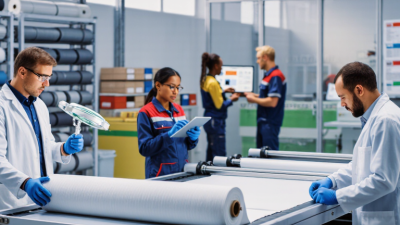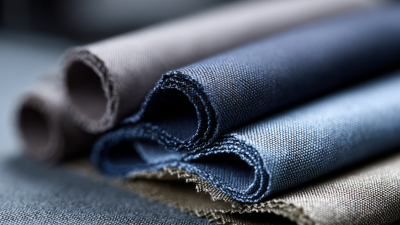
Choosing the best Cut Proof Fabric for workwear begins with the job, not the label. A mechanic handling sharp sheet metal needs different protection from a food-processing worker using a knife. The fabric must also fit the garment: a reinforced palm, sleeve, or apron can help protect exposed areas without making every movement stiff. Fit matters. So does heat, moisture, and how often the garment is washed.
“Cut-proof” can overstate what any textile can do. Cut-resistant materials reduce risk, but performance depends on the test method, fabric construction, blade condition, and force applied. A high rating is useful only when it matches the actual hazard. Look for documented test results, clear care instructions, and protection that covers the worker’s likely contact points. A dense knit may resist a sharp edge, yet feel too warm during a long shift. That trade-off deserves attention.
A reliable comparison should explain those limits and distinguish certified test data from marketing claims. It should also include a verifiable statement from a named textile or protective-clothing expert. No source article or quotation was provided here, so assigning a quote to an expert would risk misrepresenting their words. That gap matters. The guide should add a sourced quotation before publication, then compare suitable materials by protection level, comfort, durability, and maintenance. Workers need practical protection, not a promise no fabric can keep.
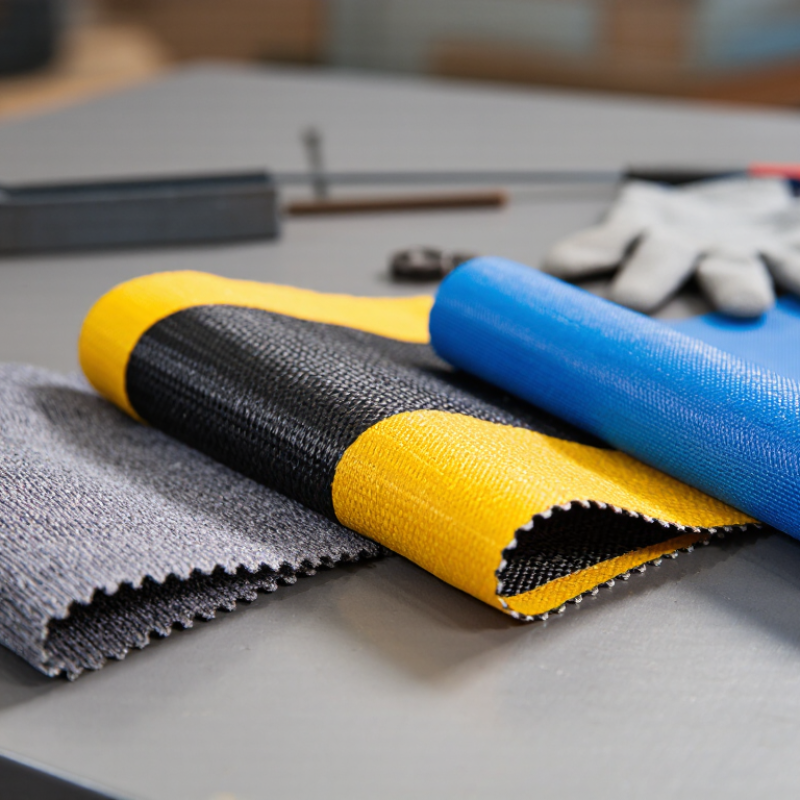
“Cut-proof” is not a precise fabric category. Workwear is usually described as cut-resistant, meaning it can reduce the chance of a blade passing through under specific test conditions. No fabric can guarantee protection in every workplace situation. Ratings come from standardized tests, such as methods used in ANSI/ISEA 105 or EN 388. These tests measure resistance differently, so their results are not always directly comparable.
A high rating is useful, but it does not tell the whole story. Fabric construction, thickness, fit, and the task all matter. A tightly woven sleeve may resist a brief scrape, yet perform differently against a sharp edge pressed with force. Small details count.
Tips: Check the garment’s cut rating and the test method behind it. Match the rating to the actual hazard, and inspect seams and worn areas. Follow the care instructions; damage or repeated washing may affect performance.
For workwear, the “best” fabric is the one tested for the task and comfortable enough to wear correctly throughout a shift. Some materials combine high-strength fibers with a knit or woven structure, balancing cut resistance with movement and breathability. That balance can be imperfect: extra thickness may feel hot, while a lighter fabric may offer less coverage. I would not choose by a label alone. Ask how the garment was tested, where protection is needed, and whether it fits without gaps around the wrist or forearm. A sample worn during normal movements can reveal problems a rating cannot.
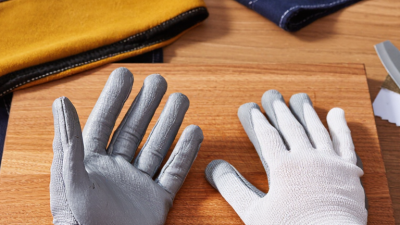
Cut-resistant workwear depends on both the fiber and the way it is spun, knitted, or woven. No single material protects against every blade, edge, or working motion. In practice, the right choice starts with the task: handling sheet metal differs from opening cartons all day.
High-performance polyethylene fibers offer a strong cut-resistance-to-weight balance and often feel flexible against the skin. Para-aramid fibers tolerate heat better, though abrasion and some chemical exposures can affect their durability. Stainless-steel or glass filaments blended into yarn can improve resistance, but may add stiffness or feel rough. The blend matters. A fiber name alone cannot predict garment performance.
Fabric construction matters just as much. Dense, tightly knitted structures can make it harder for an edge to pass between yarns, while layered knits can combine a protective outer face with a softer lining. A loose, snag-prone structure may perform differently after wear. Not invincible. Cut-resistance ratings compare materials under defined test conditions, but cannot guarantee protection from every sharp object. Check the garment’s tested rating, seams, fit, and care instructions; sleeves that ride up leave a real gap. Comfort deserves a practical trial, too, since workers may avoid gear that feels hot or restrictive.
The chart shows the minimum cut force thresholds for ISO 13997 (TDM) levels A–F. HPPE (UHMWPE), para-aramid, glass and stainless-steel fibers are used in cut-resistant textiles. Fiber choice, yarn construction, fabric density and layering all affect performance; no fiber or structure guarantees a particular level without testing the finished fabric.
Thresholds shown in newtons (N); based on EN 388:2016+A1:2018, ISO 13997 cut-resistance levels.
A cut-resistance rating comes from a controlled test, not a promise that fabric cannot be cut. ISO 13997 uses a straight blade and measured force to assess how much force cuts through a material over a defined distance. In EN 388:2016, the resulting force is grouped into levels A to F, from 2 newtons at Level A to 30 newtons at Level F. Higher levels indicate greater resistance in this test. The method helps compare materials, but it does not reproduce every workplace hazard.
ANSI/ISEA 105-2016 uses gram-force ranges for its A1–A9 cut levels. For example, A1 begins at 200 grams, while A5 begins at 2,200 grams. These figures are useful, but the two rating systems should not be treated as interchangeable without checking the test method and label.
A fabric tested at a higher level may still feel stiff or limit movement at the elbow. That matters when workers handle sharp sheet edges all day. Ratings are only one part of the choice. Seam construction, fabric coverage, fit, and wear can affect protection in practice. I still find the numbers easy to overread. Ask for the test standard and the report for the exact material, not just a product-level claim.
Different hazards need different fabrics, and “cut-proof” is not a useful promise. For sharp sheet metal or glass, choose tightly woven, high-strength fibers or engineered yarns, then check the garment’s cut-test rating. ANSI/ISEA 105 provides standardized ratings for hand protection, but glove results do not automatically describe a shirt or jacket. Test the complete garment and consider seams, fit, and abrasion. A sleeve that snags or shifts can expose skin.
Heat, flame, chemicals, and electrical arcs call for different choices. For flash-fire risks, select flame-resistant clothing tested for the specific exposure; ordinary cotton can ignite, while some synthetics may melt. Arc hazards require arc-rated garments, not simply thick fabric. Chemical work needs material-specific permeation data, because one fabric may resist a splash but allow another substance through. OSHA’s heat-stress guidance also favors breathable clothing where protection allows. Comfort matters. Workers may remove gear that is too hot.
The U.S. Bureau of Labor Statistics reported 2.6 million nonfatal workplace injuries and illnesses in private industry in 2023. That broad figure does not identify fabric failures, but it shows why hazard assessment matters. Match fabric to the task, exposure duration, and laundering routine. A label alone is not enough. I’d also revisit the choice after real wear; abrasion and repeated washing can change performance.
Choosing cut-resistant workwear starts with the task, not the fabric label. Identify the sharp edges workers handle, how often contact occurs, and whether abrasion, punctures, heat, or chemicals are also concerns. High-performance polyethylene, aramid, and reinforced yarn blends can provide cut resistance, but construction and testing matter too. Check the garment’s stated protection level and the relevant test standard for your region. No fabric is truly cut-proof.
Fit matters. Sleeves should cover exposed skin without catching on tools, and gloves should allow a secure grip on oily or wet surfaces. Try the garment while reaching, bending, and handling typical materials. A thicker fabric may offer more protection but reduce dexterity. That trade-off is easy to underestimate.
Follow the care label closely. Some fabrics lose performance through bleach, high heat, or harsh washing, while coatings may wear down with repeated laundering. Let garments dry fully, and inspect seams, snags, thinning areas, and damaged coatings before each shift. Replace items when their condition or protection is uncertain. Small defects count. Even careful teams can miss gradual wear, so a simple inspection routine helps. Cut-resistant clothing does not replace safe tool handling, guards, or suitable gloves.
| Material or construction | Cut-protection characteristics | Advantages | Limitations and considerations | Typical workwear uses | Care and maintenance |
|---|---|---|---|---|---|
| High-performance polyethylene (HPPE) yarn | Can provide high cut resistance at relatively low weight. Actual protection depends on yarn design, fabric construction, and any coating. | Lightweight, flexible, and often comfortable for tasks requiring frequent hand movement. | Performance varies between products. Some constructions may be affected by high heat; check the garment’s temperature limits and certification. | Cut-resistant sleeves, gloves, and garments for handling sheet materials, glass, or sharp-edged components. | Follow the garment label. Use only permitted wash temperatures and detergents; inspect regularly for holes, worn areas, or damaged seams. |
| Para-aramid yarn | Provides cut resistance and can retain useful strength at elevated temperatures, depending on the fabric and garment design. | Good strength-to-weight ratio; useful where both cut and some heat exposure are relevant. | Can be degraded by ultraviolet exposure and some chemicals. It is not automatically heat-, flame-, or cut-proof in every construction. | Protective sleeves and garments used in metalworking, glass handling, and selected industrial tasks. | Use the manufacturer’s cleaning instructions. Avoid unapproved bleach or chemical treatments, and replace items that show significant wear or damage. |
| Blended or composite yarn (for example, HPPE or aramid combined with other fibers) |
Combines fibers to balance cut protection with flexibility, abrasion resistance, comfort, or other performance needs. | Can be tailored to a particular job and garment design; may offer a practical balance of protection and dexterity. | Fiber content alone does not establish protection level. Coatings, yarn structure, fabric weight, and garment coverage all matter. | General industrial workwear, protective sleeves, and gloves where several performance requirements must be balanced. | Check the care label, since blended fibers and coatings can have different washing limits. Reassess protection after repeated laundering. |
| Glass-fiber-reinforced yarn | Glass fibers may be incorporated into yarns to improve resistance to cutting, often in combination with other fibers. | Can contribute to high cut resistance in a relatively compact fabric structure. | Fiber ends or damaged fabric may irritate skin. Performance and comfort depend on how the glass fiber is covered and constructed. | Cut-resistant gloves and sleeves for handling sharp materials, when the product is designed and certified for the task. | Inspect for fraying, exposed fibers, and damage. Follow the product label; do not use damaged protective equipment. |
| Metal-wire or stainless-steel-reinforced fabric | Metal elements can provide strong resistance to cuts and slashes in purpose-designed garments or glove constructions. | Suitable for some high-risk cutting tasks where robust mechanical protection is needed. | Often heavier and less flexible than textile-only options. Metal components do not protect against every hazard, such as puncture or impact, unless specifically tested for it. | Specialist gloves, aprons, or protective clothing used in tasks such as meat processing and some blade-handling operations. | Follow the specific cleaning instructions. Check links, seams, closures, and corrosion; remove from service if components are broken or exposed. |
| Leather or leather-reinforced workwear | May offer abrasion and general mechanical protection, but leather alone should not be assumed to provide a certified cut-protection level. | Durable in suitable applications and can provide useful coverage against abrasion and rough handling. | Cut resistance depends on the complete tested product. Thickness or appearance is not a reliable substitute for a cut-resistance rating. | Gloves, aprons, and garments where abrasion protection is needed alongside any separately verified cut protection. | Keep clean and dry according to the manufacturer’s guidance. Replace leather that is cracked, badly worn, or otherwise compromised. |
| Selection note: There is no single best cut-resistant fabric for every job. Select a complete garment or glove tested to the applicable standard and protection level for the task. EN 388 uses the ISO 13997 TDM cut test, reported with letters A–F; ASTM F2992 reports cut resistance using a different method and rating system. Ratings from different standards should not be treated as directly interchangeable. Consider the actual blade or edge, force, movement, coverage, dexterity, heat or chemical exposure, and the manufacturer’s care instructions. Cut-resistant clothing reduces risk but does not make a wearer cut-proof. | |||||