Cut injuries often begin with a small slip, not a dramatic accident. Choosing the right Cut Resistant Cloth can reduce risk, but no fabric makes hands or arms cut-proof. The best choice depends on the task, the blade, the force involved, and how long the material must be worn. A kitchen glove, a metalworking sleeve, and a reusable protective apron face different demands. One rating cannot answer every question.
Start by checking the cloth’s tested cut-resistance level and the method used to measure it. Compare products tested under the same standard; labels can otherwise create a false sense of certainty. Then examine fiber type, fabric weight, flexibility, seam construction, and coverage. A dense textile may resist a blade well yet feel stiff during repeated gripping. That matters. Poor comfort can lead workers to remove protection, even when the cloth performs well in a test.
Think about the real work area. Is the fabric exposed to oil, moisture, heat, sharp edges, or frequent washing? Follow the manufacturer’s care instructions, since abrasion and laundering can change performance. Fit matters too: loose cuffs may catch, while tight fabric can limit movement. A common oversight is choosing the highest rating without considering dexterity. It is an understandable mistake, but worth avoiding. Use test data as a starting point, then match it to actual hazards and practical wear. When risk is uncertain, ask a qualified safety professional to assess the task.
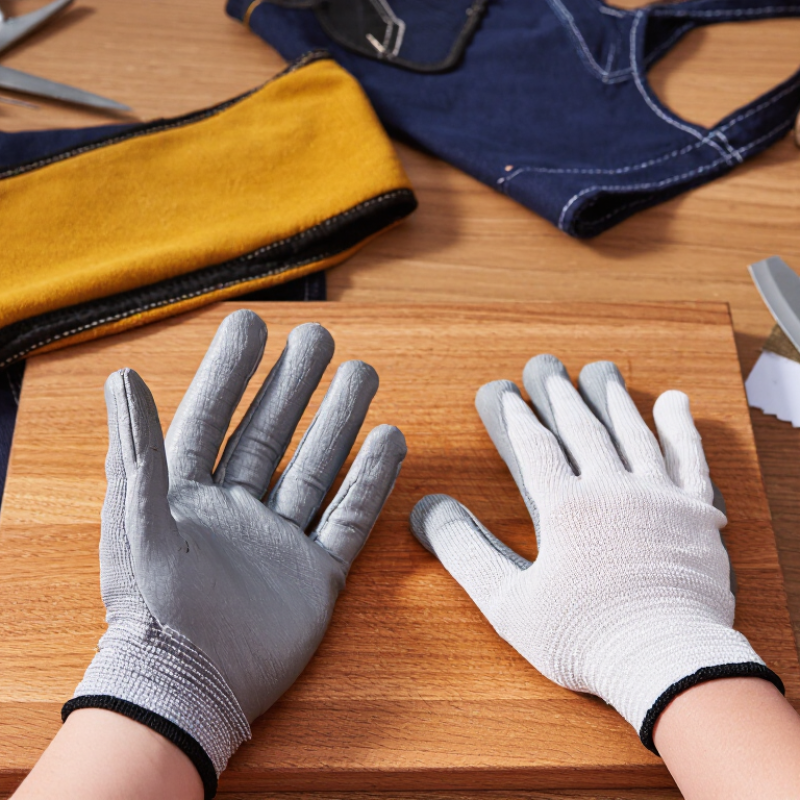
Cut-resistant cloth is an engineered textile designed to slow a blade’s movement through its structure. It may combine high-strength fibers, such as para-aramid or ultra-high-molecular-weight polyethylene, with glass or metal yarns. Tight knitting and layered yarns can also help spread cutting force across more fibers. The exact protection depends on the fabric, its construction, and the test method. It is not cut-proof.
ANSI/ISEA 105-2016 rates materials across nine cut levels using force measurements in grams. Under its TDM test, A1 starts at 200 grams, while A9 represents 6,000 grams or more. ASTM F2992 describes the TDM cut-resistance test used to measure that force. These figures help compare tested materials, not predict every workplace cut. That distinction matters. A sharp edge, fabric tension, seams, laundering, and wear can change real-world performance. A practical check: match the tested cut level to the task, then inspect the garment’s fit and condition. A high rating is useful, but it is not a promise against punctures or impacts. I would not rely on the number alone.

Start by observing the exact task, not just the tool involved. A worker handling freshly cut sheet metal faces different hazards from someone trimming fabric with a rotary blade. Note the blade’s sharpness, edge shape, movement, and the force needed. Watch where hands travel, including during awkward reaches or material changes. Small details matter.
Consider how often contact could happen and what surrounds the cutting edge. A brief brush against a dull edge is not the same as sustained pressure from a sharp one. Oil, water, or loose fibers can affect grip, while tight spaces may cause hands to slip toward blades. Ask workers about near misses; routine work can hide risks that a quick inspection misses.
Then match the cloth’s tested cut resistance to the task’s likely exposure. A cut rating alone does not measure puncture, abrasion, or grip performance, and higher resistance may reduce dexterity. That trade-off matters. Review relevant test data, inspect the material for wear, and trial it under controlled workplace conditions. I would reassess after a tool change or new work method; hazard reviews are sometimes missed when a familiar task quietly changes.
Comparing cut-resistant cloth starts with its rating, but a number alone is not enough. Check the test method and rating scale; results from different systems may not be directly comparable. Match the rating to the task, such as handling sheet edges or trimming packaging. Review the test conditions, too. A cut rating measures resistance to a defined blade action, not protection from every sharp object. Important distinction.
Then examine the fibers and weave. High-performance fibers can provide cut resistance, while glass or steel reinforcement may add stiffness, weight, or snagging risk. The blend matters. A dense knit or weave can help hold yarns in place, but may trap heat and limit dexterity. Bend a sample around your finger and grip a tool. Notice rough seams, loose loops, or fabric that shifts. This check helps, but it cannot replace test data. Ask for documentation for the exact fabric, including thickness, care limits, and any coating details. Washing, abrasion, and moisture can affect comfort and condition over time. No cloth is perfect. If evidence is unclear, compare another sample instead of assuming the highest rating is the best fit.
Comfort matters because cut-resistant cloth is often worn for hours. Check how it feels against bare skin and over the layers you normally use. A stiff cuff or rough seam can become irritating during repeated bending. Move your wrists, grip a tool-shaped object, and reach overhead. Notice any pulling. Fit should feel close without restricting motion or leaving loose folds that catch on equipment.
Read the garment’s cut-resistance rating and test standard, then match them to the task. A rating does not make fabric cut-proof. Inspect high-wear areas, such as fingertips, palms, elbows, and seams, for thinning, snags, or loose stitching. I used to judge durability by thickness alone; that was a poor shortcut. Dense fabric can still feel hot or wear unevenly.
Care affects both comfort and performance. Follow the maker’s washing instructions, since heat, bleach, or harsh agitation may damage fibers or coatings. Let the garment dry fully before storing it. Check it after washing. Small changes matter. If it shrinks, pills heavily, or develops a hole, replace it rather than relying on appearance alone. A quick fit check after laundering is easy to forget.
Compare the material’s tested cut level with the hazards of the task, then assess comfort, fit, durability, and care requirements.
How to use this chart: The bars show the minimum cut-resistance threshold for each ANSI/ISEA 105 level, measured using the ASTM F2992 cut test. A higher level indicates greater cut resistance, not better comfort or fit. Try the cloth in the intended task, check that it allows comfortable movement, and review its care label because laundering instructions can affect performance.
How to Choose the Right Cut Resistant Cloth?
How to Match Cloth Specifications to Your Intended Use
Choosing cut-resistant cloth starts with the hazard, not the label. Identify the blade type, contact pressure, motion, and exposure time. A smooth sheet edge differs from a serrated tool moving repeatedly across fabric. Check whether the cloth will face abrasion, moisture, heat, or cleaning chemicals. These conditions can weaken fibers or change how the material behaves. Cut ratings help compare samples, but test methods and rating levels vary. Compare products only when their test standards match.
Match the fabric construction to the task. A lightweight sleeve for occasional handling may offer flexibility and airflow, while a denser panel may suit repeated contact. Consider thickness, stretch, seam placement, and whether the fabric stays secure when wet. If workers need fine finger control, extra layers can reduce dexterity. That trade-off matters. Ask suppliers for test reports, care instructions, and limitations. Then trial samples with the actual tools and movements. Record snags, discomfort, and wear after washing. A specification sheet cannot predict every worksite condition, and a short trial may miss long-term fatigue.
Tips: Check seams and worn areas. Follow care instructions. Reassess protection after laundering. Cut resistance does not automatically mean puncture or impact protection.
| Intended Use | Typical Cloth Construction | Suggested Cut-Resistance Benchmark | Prioritize These Specifications | Important Trade-Offs and Checks |
|---|---|---|---|---|
| Light handling and general workshop tasks Moving cartons, light assembly, and handling materials with occasional sharp edges. |
UHMWPE or high-tenacity synthetic yarn in a knitted or woven construction; a small amount of elastane may improve stretch. | Consider ISO 13997 level A–B as an initial material-screening range. | Flexibility, fit, breathability, seam strength, and resistance to abrasion during repeated handling. | A lighter, more flexible cloth may be more comfortable, but cut resistance alone does not indicate puncture or abrasion protection. |
| Repetitive handling of sharp-edged parts Sheet-metal components, glass edges, and similar materials in controlled work areas. |
UHMWPE or para-aramid yarn, sometimes combined with a reinforcing yarn in a knitted or woven fabric. | Consider ISO 13997 level C–D, subject to a task-specific risk assessment. | Cut-test results for the actual fabric or finished item, coverage, seam placement, fit, and resistance to wear. | Check that the test method and sample construction match the intended product; coatings, seams, and laundering can affect performance. |
| Frequent contact with sharp industrial edges Metal fabrication, automotive component handling, and similar operations. |
Dense UHMWPE or para-aramid blends; some constructions add glass or metal reinforcement to improve cut resistance. | Consider ISO 13997 level D–E where the hazard assessment supports it. | Verified cut performance, abrasion resistance, tear strength, dexterity, and compatibility with the work process. | More reinforcement can reduce flexibility or comfort. Assess heat, moisture, snagging, and machine-entanglement risks before use. |
| High cut-hazard tasks or protective barriers Specialist handling or equipment covers where sharp-edge exposure is substantial. |
Multilayer or reinforced constructions using high-performance yarns; select the structure according to the specific hazard and product design. | Consider ISO 13997 level E–F only when supported by testing and a task-specific risk assessment. | Independent test evidence, coverage, durability, seam and closure design, and performance after any required care cycle. | A high cut rating is not a guarantee against injury. Confirm protection against other relevant hazards, such as puncture, impact, heat, or chemicals. |
| Heat-exposed work involving sharp materials Tasks where both sharp edges and elevated temperatures are present. |
A cut-resistant base cloth using heat-appropriate fibers, often with para-aramid where suitable; the complete protective design must be evaluated. | Choose the cut benchmark from the edge hazard; assess thermal protection separately. | Cut performance plus applicable heat-transfer, flame, or contact-heat test results for the finished item. | Cut-resistant fibers do not automatically provide heat or flame protection. Confirm that all relevant hazards are covered by suitable testing. |
Benchmark note: ISO 13997 cut levels are commonly expressed using nominal force thresholds of A: 2 N, B: 5 N, C: 10 N, D: 15 N, E: 22 N, and F: 30 N. Treat these as test classifications, not guarantees of protection in a particular task. Verify the applicable standard, test report, and rating for the actual fabric or finished product. Select cloth through a workplace risk assessment, and consider puncture, abrasion, heat, chemical, fit, and care requirements separately.