Top 10 Carbon Fiber Sheet Suppliers for Global Buyers?
Sourcing the right Carbon Fiber Sheet supplier can shape a product’s strength, weight, cost, and delivery schedule. Global buyers often compare more than surface appearance. They examine fiber type, resin system, thickness tolerance, finish quality, and production consistency. A polished sheet may still fail if its specifications are unclear.
This guide reviews ten suppliers serving international markets. It focuses on practical buying factors, including manufacturing experience, material documentation, sample support, minimum order quantities, packaging, and export communication. Reliable suppliers should explain whether their sheets use unidirectional, woven, or hybrid reinforcement. They should also provide measurable data, such as tensile strength, fiber volume, curing conditions, and dimensional tolerances.
Details matter. A 2-millimeter panel, a clean edge, and moisture-resistant packaging can affect final assembly. So can a supplier’s response when a batch differs from the approved sample. Buyers should request technical datasheets, inspection records, and applicable quality certifications before placing large orders. Independent verification remains wise, especially for aerospace, automotive, marine, and industrial applications.
No supplier is perfect.
Prices can change with carbon fiber grades, energy costs, and order volume. Delivery promises may also depend on customs clearance or production capacity. This comparison is therefore a practical starting point, not a substitute for technical review. Readers should confirm current specifications directly with each supplier and test samples under real operating conditions. A careful decision balances performance, traceability, communication, and total purchasing risk—not just the lowest quotation.

What Carbon Fiber Sheets Are and How Global Buyers Use Them
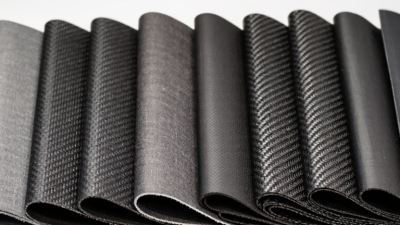
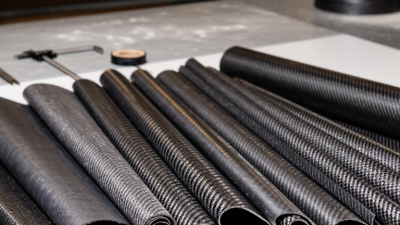
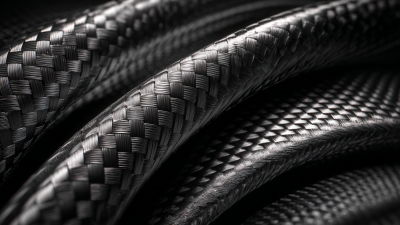
Carbon fiber sheets are flat composite panels made from carbon fibers embedded in a resin matrix. The fibers provide stiffness, while the resin holds the structure together. Common sheets use woven fabric or aligned unidirectional layers. Their surface may appear glossy, matte, or lightly textured.
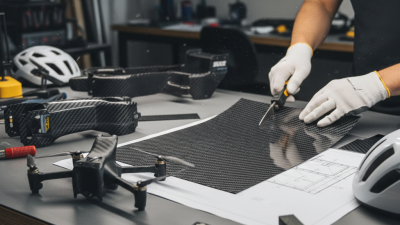
Global buyers use these panels when low weight and high rigidity matter. A robotics engineer may cut a 2-millimeter sheet for an equipment cover. A marine fabricator may reinforce a flat interior panel. Automotive workshops often machine sheets into brackets, ducts, or protective covers.
Carbon fiber does not replace metal in every situation. Impact, heat, electrical conductivity, and cost still require careful review.
When comparing suppliers, buyers should check fiber orientation, resin type, thickness tolerance, surface finish, and cutting accuracy. Technical datasheets should show test methods, not only attractive strength figures. Ask for batch identification and sample pieces before placing a large order.
In my experience, a sheet can look perfect yet warp after machining. That detail is easy to miss. Buyers should also confirm packaging, moisture protection, export documents, and delivery terms. CNC cutting creates fine dust, so workshops need suitable extraction and protective equipment. Local engineering requirements may differ, making independent inspection valuable for critical applications.
Top 10 Carbon Fiber Sheet Suppliers for International Buyers
For international buyers, a reliable top-ten supplier list should examine more than production volume. Carbon fiber sheets serve robotics, electric vehicles, aerospace interiors, and industrial tooling. The International Energy Agency’s Global EV Outlook 2024 reported nearly 14 million electric car sales in 2023. The Global Wind Energy Council recorded 117 gigawatts of new wind capacity during the same year. These figures indicate strong demand for lightweight materials, but they do not guarantee consistent sheet quality. Buyers still need evidence.
Look closely at fiber type, resin system, thickness tolerance, and surface finish. A supplier should provide batch-level certificates, ASTM D3039 tensile data, and clear curing instructions. ISO 9001 certification can support process control, although it cannot replace independent testing. International shipping also requires careful packaging. Sheets should arrive flat, dry, and protected from impact. Ask about export experience, documentation, lead times, and replacement procedures. Sample inspection matters. Always test samples.
A practical ranking should compare technical support, production capacity, traceability, and communication across time zones. It should also separate standard panels from custom laminates, because their prices and delivery risks differ greatly. MarketsandMarkets has projected continued growth in the global carbon fiber market, driven by transportation and energy applications. Yet market forecasts can change quickly. That uncertainty deserves attention. The cheapest quotation may hide cutting losses, customs delays, or weak technical support. A thoughtful international buyer checks those details before approving a large order.
Top 10 Carbon Fiber Sheet Suppliers for Global Buyers
This benchmark compares representative commercial carbon-fiber sheet grades commonly used by international buyers. Tensile strength and tensile modulus are shown as material-selection references rather than supplier or brand performance rankings.
Values are representative industry benchmarks: standard-modulus carbon fiber is typically around 230 GPa modulus and 3.5 GPa tensile strength; intermediate-modulus grades around 290 GPa and 5.5 GPa; high-modulus grades around 390 GPa and 4.5 GPa. Actual sheet properties depend on fiber architecture, resin system, thickness, curing process, and test standard.
How to Select the Right Supplier for Your Application and Region
Selecting among the top 10 carbon fiber sheet suppliers requires more than comparing prices.
Application fit comes first.
According to Grand View Research, the global carbon fiber market was valued at approximately USD 3.7 billion in 2023. Demand is expanding across aerospace, mobility, sporting goods, and industrial equipment. However, market growth does not guarantee suitable sheet quality. A supplier serving bicycle components may not understand the tolerances required for robotic arms.
Request laminate schedules, fiber orientation, resin type, thickness tolerance, and test reports.
Check whether data follows recognized ASTM or ISO methods. Tensile strength alone can mislead. Interlaminar shear strength, void content, surface finish, and dimensional stability may matter more. The International Energy Agency reports that electric vehicle sales exceeded 14 million globally in 2023, increasing interest in lightweight structures. Yet a lighter sheet is not automatically the safest choice.
Regional fit also deserves careful review.
Confirm production location, export experience, packaging quality, lead times, and technical support in your working language. Ask for samples from the same production line, not only laboratory coupons. Supplier audits can reveal weak curing controls or inconsistent cutting. They cost time, but failed prototypes cost more. Lucintel projects continued carbon fiber market growth through 2030, although forecasts vary by region and application. That uncertainty matters. I would score each candidate against performance, traceability, delivery reliability, and after-sales engineering support. Price should remain visible, but never stand alone.